
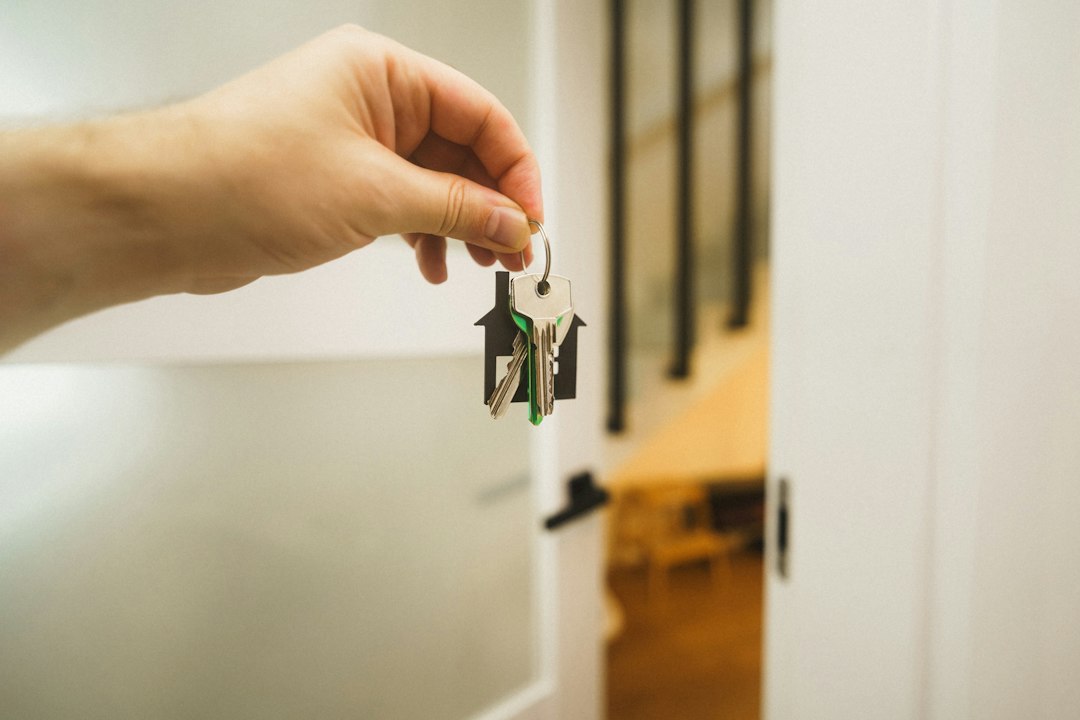
Tenant insurance in Quebec is not mandatory under any law, but a landlord can require it through a clause in the lease, and once you sign, that clause binds you. Even when nobody asks for it, renters insurance is the only thing that protects your belongings and your civil liability: the landlord’s policy covers the building, not you or the damage you might cause.
Every July 1st, thousands of Quebecers move, and many of them sign a lease with a line asking for “proof of tenant insurance.” In the Laurentides, the same question comes up for people renting a duplex in Saint-Jérôme, a basement apartment in Blainville, a condo in Mirabel or a room in a house near Sainte-Agathe-des-Monts (local guides: TheLaurentides.com). Is that request legal? Do you really need renters insurance? What does it cost, and what does it cover?
This guide explains what the law says, what your landlord can and can’t require, how the Tribunal administratif du logement (TAL) rules work for lease changes, and how to pick the right coverage.
Key takeaways
- Tenant insurance (assurance locataire) is not mandatory by law in Quebec.
- A landlord can require it in the lease; if you sign that clause, you must comply and may be asked for proof.
- Adding the requirement at renewal follows the formal lease-modification notice rules, and you can refuse.
- A policy has three main parts: belongings, civil liability and additional living expenses.
- Liability limits of $1M to $2M are typical, and the price gap between the two is often small.
- Unrelated roommates should check whether each person is named or needs their own policy.
Is tenant insurance mandatory in Quebec?
No. No Quebec or federal law obliges a residential tenant to buy insurance. The Civil Code of Québec governs residential leases, and it does not impose tenant insurance on its own. But a lease is a contract, and landlord and tenant can agree to additional conditions, as long as they’re legal and not abusive.
In practice, more and more landlords add an insurance clause. Promutuel Assurance, in a guide for landlords, confirms that tenants aren’t legally obliged to have renters insurance, but that a landlord has the right to include a lease clause requiring it and to ask for proof. The Chambre de l’assurance de dommages (ChAD) also notes that landlords increasingly ask for proof of liability coverage. For the insurance products that are required by law, see mandatory insurance in Quebec.
Do I need renters insurance if my lease doesn’t require it?
Legally, no. Practically, most people do. According to the ChAD, citing an Insurance Bureau of Canada survey, more than one in three tenants has no home insurance at all. Those tenants carry the full cost of a fire, theft or water leak themselves, including damage they cause to other units.
Lease clauses and TAL rules: what your landlord can require
When you sign a new lease
If the insurance clause is written in the lease you sign, it forms part of your agreement. The clause may set a minimum liability amount and ask you to send proof at move-in and at each renewal. Read it before signing: if you disagree, that’s the moment to discuss it.
During the lease
A landlord can’t unilaterally add an insurance requirement in the middle of a lease you’ve already signed. Promutuel notes that adding such a clause mid-term could be considered unfair under the Civil Code if the tenant disputes it.
At renewal
Adding an insurance clause at renewal is a lease modification. According to Éducaloi, for a lease of 12 months or more:
- The landlord sends a written notice 3 to 6 months before the lease ends, listing the proposed changes.
- You have one month from receiving it to reply in writing: accept, refuse, or announce that you’re leaving.
- If you don’t reply in time, you’re considered to have accepted the changes.
- If you refuse, the lease renews. The landlord can do nothing (same conditions), negotiate, or apply to the TAL within one month of your refusal.
Exception: in a housing co-op, or in a building newly built or converted to rental housing within the last five years, a tenant who refuses the changes must leave at the end of the lease. For your specific case, the Tribunal administratif du logement (formerly the Régie du logement) is the reference.
Advertisement
What does tenant insurance cover in Quebec?
A standard renters policy has three main parts:
| Coverage | What it protects | Example |
|---|---|---|
| Personal property (contents) | Your belongings at home, and often temporarily elsewhere | Laptop and furniture destroyed by fire; bike stolen |
| Civil liability | Damage or injury you accidentally cause to others, plus your legal defence | Your bathtub overflows into the unit below |
| Additional living expenses | Extra costs if your home becomes uninhabitable after an insured loss | Hotel and meals while the apartment is repaired |
Policies are either “named perils” (only listed risks) or “all risks” (everything except exclusions). Optional add-ons may include sewer backup, overland water, earthquake and higher limits for jewellery, bikes or electronics. See home insurance exclusions in Quebec for what’s usually left out.
Doesn’t my landlord’s insurance cover me?
No, and this is the most common misconception. The landlord’s policy protects the building and the landlord’s liability. It doesn’t cover your furniture, clothes or electronics, your liability, or your hotel bills. If you cause a loss, the landlord’s insurer may pay for the building and then try to recover the money from you (subrogation). Your civil liability coverage is what responds to that claim.
Why civil liability matters most
“I don’t own anything valuable” is a common reason to skip insurance. But the bigger risk is damaging someone else’s property: a forgotten pot, a candle, a space heater, a burst washer hose. In older buildings in downtown Saint-Jérôme or converted houses in the Laurentides, water and fire can spread between floors quickly. ChAD notes liability limits typically range from $1 million to $2 million and that $2 million is becoming the standard.
Does tenant insurance cover water damage?
Sudden, accidental water damage from inside the building (a burst pipe, for example) is commonly covered. Sewer backup and overland flooding are often excluded unless you add them, which matters a lot in a basement apartment during spring thaw. See sewer backup coverage in Quebec.
How much does tenant insurance cost? The main factors
Premiums vary widely. The ChAD gives about $30 a month as a figure most households can afford, and Promutuel mentions roughly $15 a month in its landlord guide, but your price depends on your situation. The main factors:
- Amount of contents insured: ChAD notes the first $10,000 of coverage is usually the most expensive part; adding more often costs relatively little.
- Liability limit: going from $1M to $2M is often a small difference.
- Deductible: a higher deductible lowers the premium.
- Location and building: type of building, number of units, age, heating system (a wood stove raises questions), basement unit.
- Optional coverages: sewer backup, overland water, valuables.
- Claims history and how long you’ve been insured.
- Bundling with car insurance, and devices like smoke or leak detectors.
Compare quotes for identical coverage, not just price: a cheap policy may have low limits on water damage or living expenses.
Roommates, couples and students
- Roommates: insurer practices vary. Some accept one policy if every occupant is named; others want each unrelated roommate to have their own policy. If you’re not named, your belongings and liability may not be covered. Ask before you assume.
- Couples: spouses or de facto partners usually share one policy; make sure both names are listed.
- Students: a parent’s home policy sometimes extends limited coverage to a student living away from home. Check limits first. Our guide to student renters insurance in Quebec covers residences, shared apartments and leases outside the region.
Laurentides situations to check
Renting a chalet or rural home in Val-David, Saint-Sauveur or Mont-Tremblant? Ask about the heating system and whether belongings in a shed or garage are covered. In winter, a tenant who leaves windows open during a cold snap and causes pipes to freeze could be held liable.
How to choose tenant insurance
- Read your lease for any required liability amount and proof deadline.
- Inventory your belongings with photos or video; ChAD recommends this to avoid under-insuring.
- Choose replacement cost for new-for-old settlement.
- Add water coverages if you’re in a basement or ground-floor unit.
- Compare three quotes through brokers and direct insurers. See brokers vs agents vs direct insurers.
- Verify the representative on the AMF registers.
- Send proof (certificate with policy number, dates, address and liability limit) to your landlord, and keep a copy.
Landlords on the other side of the lease can read our guide to landlord insurance in Quebec.
Advertisement
Frequently asked questions
Is tenant insurance mandatory in Quebec?
No law requires it. It becomes an obligation only if your lease contains a clause requiring it and you signed that lease, or if you accepted a lease modification adding it at renewal.
Can my landlord add an insurance requirement when I renew?
Yes, by sending a written modification notice 3 to 6 months before a 12-month lease ends. You have one month to refuse in writing; if you refuse, the landlord can apply to the TAL. If you don’t reply, you’re considered to have accepted.
Do I need renters insurance if I have almost no belongings?
Usually yes, for the civil liability. If you accidentally cause a fire or water damage to the building or other units, you can be held responsible for costs far higher than the value of your own things.
How much liability coverage should a tenant have?
At least the amount stated in your lease. Limits of $1 million to $2 million are typical, and the ChAD notes $2 million is becoming the standard, often for a small additional premium.
Does one tenant insurance policy cover my roommate?
Only if the insurer accepts it and your roommate is named on the policy. Practices vary, and many insurers prefer each unrelated roommate to have their own policy.
How much does tenant insurance cost in Quebec?
It depends on contents value, liability limit, deductible, location, building type, optional coverages and claims history. The ChAD cites about $30 a month as an affordable figure for most households; compare quotes for identical coverage.
Have a question we didn’t answer? Contact us.
Sources: Éducaloi: renewing a residential lease, ChAD: tenant insurance misconceptions, Promutuel Assurance: tenant insurance clause, Tribunal administratif du logement: lease modification
This article is for general information only and is not insurance advice. Laurentides Insurance Guide does not sell insurance. Always confirm with a licensed broker or your insurer.
Leave a Reply