
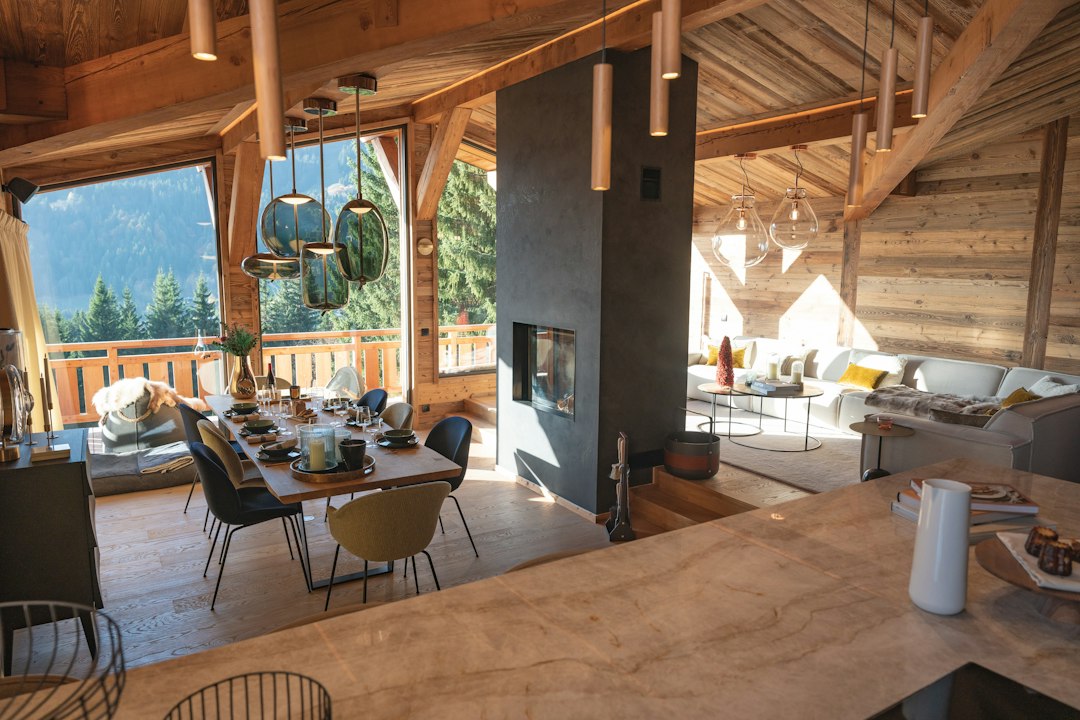
Yes, you can insure a home with a wood stove or fireplace in Quebec, but you must declare it to your insurer, and most insurers will want to know what type of appliance you have, whether it is certified, who installed it and how it is maintained. A certified appliance installed by a qualified professional, with proper clearances and regular chimney sweeping, is the combination insurers generally look for. Failing to declare wood heating can reduce or even void your coverage after a fire, so getting this right matters.
Key takeaways
- Always declare wood heating, including fireplaces, stoves, inserts, pellet stoves, outdoor furnaces and wood-burning appliances in garages, cabins or saunas.
- Certification matters. Since 2009, Quebec’s regulation on wood-burning appliances has required new appliances sold in the province to meet CSA B415.1 or the US EPA emission standard. Insurers often ask whether yours is certified.
- Professional installation and documentation help with underwriting and claims. Keep the installer’s invoice and the appliance manual.
- Clearances to combustibles must follow the manufacturer’s instructions and applicable installation codes.
- Chimney sweeping at least once a year, or more often depending on use, is widely recommended. Keep the receipts.
- Not declaring can have serious consequences under the Civil Code of Québec, from a reduced indemnity to cancellation of the policy.
Advertisement
Wood heating in the Laurentides
From Saint-Sauveur to Mont-Laurier, wood stoves and fireplaces are part of the character of many Laurentides homes and chalets. They provide comfort, backup heat during power outages and, for some households, a primary heat source. They are also a fire risk if they are poorly installed, overheated or not maintained. Creosote build-up in a chimney, hot embers falling on a wooden floor, or a stove placed too close to a wall are classic causes of house fires.
Insurers do not usually refuse homes simply because they have wood heating. Instead, they assess the risk based on the appliance, the installation and your maintenance habits, and they price or condition the policy accordingly.
Types of solid-fuel appliances insurers ask about
| Appliance | Description | What insurers typically want to know |
|---|---|---|
| Freestanding wood stove | Stand-alone stove connected to a chimney by a flue pipe | Certification, installer, clearances, floor protection, chimney type |
| Fireplace insert | Closed unit installed inside an existing masonry fireplace | Certification, chimney liner, installer |
| Open masonry fireplace | Traditional open fireplace | Condition of masonry and chimney, frequency of use, sweeping |
| Factory-built (prefabricated) fireplace | Manufactured fireplace with its own chimney system | Listing, installation per manufacturer, condition |
| Pellet stove | Burns compressed wood pellets with automatic feed | Certification, installation, venting |
| Wood or dual-fuel central furnace | Central heating system burning wood, sometimes combined with oil or electricity | Certification, installer, ducting, maintenance |
| Outdoor wood boiler | Separate unit outside the house heating water | Distance from buildings, installation, local bylaws |
| Wood stove in an outbuilding, sauna or garage | Secondary appliance outside the main home | Must be declared; may affect outbuilding coverage |
Declaring wood heating to your insurer
Under the Civil Code of Québec, when you apply for insurance you must disclose the facts you know that are likely to materially influence the insurer’s decision to accept the risk or set the premium. Wood heating clearly falls in that category, and most application forms ask about it directly.
During the policy, the law also requires you to promptly notify your insurer of changes within your control that materially increase the risk. Installing a wood stove in a home that did not have one, converting a decorative fireplace into a regular heat source, or adding a stove in your garage are typical examples. Notify the insurer before you start using the new appliance.
What insurers commonly ask
- What type of appliance is it (stove, insert, fireplace, pellet stove, furnace)?
- Is it certified to CSA B415.1 or the US EPA standard? What is the make, model and year?
- Who installed it, and when? Do you have an invoice?
- Is it a primary or secondary heat source? How often is it used?
- What type of chimney does it use (masonry, factory-built metal)?
- When was the chimney last swept and inspected?
- Are clearances to combustible materials respected? Is there proper floor protection?
- Are smoke alarms and carbon monoxide detectors installed?
- Where and how is firewood stored, and how are ashes disposed of?
Key tip: Take a clear photo of the appliance’s certification label (usually on the back or side of the unit) and keep it with your insurance documents. It answers the most common underwriting question in seconds.
Certified appliances: CSA B415.1 and EPA
Quebec adopted the Regulation respecting wood-burning appliances under the Environment Quality Act. Since September 1, 2009, it has prohibited the manufacture, sale and distribution in Quebec of wood-burning appliances that do not meet the emission standards of CSA B415.1 or the US Environmental Protection Agency (EPA). Certified appliances burn more cleanly and efficiently, which generally means less smoke and less creosote, a major contributor to chimney fires.
This provincial rule is about emissions for new appliances sold in Quebec. It does not automatically require you to remove an older stove already installed in your home. However:
- Some insurers prefer or require certified appliances and may add a surcharge, conditions or refuse coverage for older uncertified units.
- Some municipalities have their own bylaws restricting or banning certain wood-burning appliances, or requiring certified units. Check with your municipality.
- Replacing an older stove with a certified model is a good time to update your insurer, which may improve your terms.
The Quebec government publishes information about wood heating and air quality on Québec.ca.
Installation by qualified installers
Many fires linked to wood heating are caused by installation errors: insufficient clearances, improper flue pipe connections, a chimney that is not suitable for the appliance, or missing floor protection. Insurers therefore pay close attention to who installed the stove.
In Canada, the installation of solid-fuel-burning appliances is guided by the CSA B365 installation code, together with the manufacturer’s instructions and applicable building codes. In Quebec, the Association des professionnels du chauffage (APC) offers training and certification programs for wood-heating installers and chimney sweeps. Elsewhere in Canada, you may hear about WETT (Wood Energy Technology Transfer) certified inspectors; WETT is widely used in other provinces, while in Quebec many insurers and homeowners refer to APC-trained or certified professionals. Ask your insurer which qualifications it accepts.
Good practices for installation
- Choose a certified appliance suited to the size of the space.
- Hire a qualified installer and ask about their training or certification.
- Check whether your municipality requires a permit for the installation.
- Follow the manufacturer’s installation manual exactly, especially for clearances and chimney requirements.
- Get a detailed invoice listing the appliance, chimney components, clearances and date.
- Notify your insurer before first use and send the documents if requested.
Advertisement
Clearances and floor protection
Clearance is the minimum distance between the appliance (and its flue pipe) and combustible materials such as wood walls, furniture, trim and drapes. The required distances depend on the appliance and are specified in its certification label and manual. Heat shields and approved wall protection can sometimes reduce clearances, but only as permitted by the manufacturer and the installation code.
Floor protection is equally important. Freestanding stoves usually require a non-combustible floor pad extending a minimum distance in front of the loading door and on the sides, to catch embers when the door is opened. Again, the manual specifies the dimensions.
- Never store firewood, kindling, newspapers or furniture inside the clearance zone.
- Do not install a stove in a location the manual prohibits, such as some alcoves or bedrooms, unless explicitly allowed.
- Re-check clearances after renovations, such as new wall panelling or flooring.
Chimney sweeping and inspection
Creosote is a tar-like residue that builds up inside chimneys, especially when wood is wet or fires are smouldering. It is highly flammable and is a leading cause of chimney fires. Regular sweeping removes it and gives the sweep a chance to spot cracks, deteriorated liners or loose components.
- Frequency: Annual sweeping is widely recommended, and more frequent sweeping may be needed if you heat mainly with wood or burn wet wood. Some municipalities also have sweeping requirements. Follow the manufacturer’s recommendations and your sweep’s advice.
- Who: Use a qualified chimney sweep. Ask about their training and insurance.
- Proof: Keep dated receipts. If you sweep yourself, keep notes and photos, but be aware that some insurers may prefer professional service.
- After a chimney fire: Stop using the appliance and have the chimney inspected before using it again, even if the fire seemed minor.
Inspections insurers may request
When you buy a property with wood heating, add a stove, or switch insurers, some insurers ask for an inspection report from a qualified professional confirming that the appliance and chimney are properly installed and in good condition. A general pre-purchase home inspection often notes the presence and visible condition of a stove but may not include a full assessment of the chimney’s interior. If you are buying, see our home insurance checklist for buying a property in the Laurentides for how to handle this before removing your conditions.
Safe operation habits insurers like to see
- Burn only dry, seasoned firewood. Never burn treated wood, painted wood, garbage or plastics.
- Do not overfire the appliance; follow the manual for air controls and loading.
- Store firewood away from the house, and only bring in what you need.
- Dispose of ashes in a metal container with a tight lid, placed outside away from the house, decks and combustible materials. Ashes can stay hot for days.
- Install smoke alarms on every level and carbon monoxide detectors near sleeping areas and fuel-burning appliances. Test them regularly.
- Keep a fire extinguisher accessible and know how to use it.
- Never leave a fire unattended for long periods, especially at a chalet before leaving.
Wood heating at chalets and rentals
Chalets are where wood stoves are most common and where risks can be higher: guests unfamiliar with the appliance, long periods without occupancy, and remote locations far from fire services. If you rent your chalet, your insurer needs to know both about the wood stove and about the rental activity. Many owners provide clear written instructions to guests, a metal ash bucket, and an extinguisher, and some decide not to allow guests to use the stove at all. Our guides to chalet and cottage insurance in the Laurentides and short-term rental chalet insurance in Quebec explain the additional requirements. Travellers looking for a chalet with a fireplace can explore chalets.thelaurentides.com.
Consequences of not declaring a wood stove
The Civil Code of Québec sets out what happens when an insured fails to disclose a relevant fact or misrepresents it:
- Proportional reduction: In the absence of fraud, if the insurer would have accepted the risk at a higher premium, the indemnity can be reduced in proportion to the premium you paid versus the premium you should have paid.
- Cancellation or nullity: If the insurer would not have accepted the risk at all had it known, or in the case of fraud, the policy can be annulled, and a claim may be refused entirely.
- Aggravation of risk: Failing to report a new appliance installed during the policy term can lead to similar consequences.
In practical terms, an undeclared wood stove can turn a fire claim into a dispute at the worst possible time. Fire investigators routinely determine the cause and origin of a fire, so an undeclared appliance is likely to come to light.
Key tip: If you realize your insurer does not know about your wood stove, contact your broker or insurer now. Correcting the file before a loss is far better than explaining it after one.
How wood heating can affect your premium and terms
Each insurer has its own approach, and we do not publish numbers because premiums vary widely. Factors that commonly influence how an insurer treats wood heating include:
- Whether the appliance is certified and how old it is.
- Whether it is the primary or a secondary heat source.
- Professional installation and available documentation.
- Chimney type and condition, and sweeping records.
- Distance to a fire hydrant and fire station.
- Claims history and other features of the home.
If one insurer imposes strict conditions, another may view the same setup differently. A broker can compare insurers’ approaches; see our guide on broker vs agent vs direct insurer in Quebec. For general advice on comparing policies, read how to shop for home insurance in the Laurentides.
If a fire happens
- Get everyone out and call 911. Do not try to fight a chimney or house fire beyond the very first moments.
- Once safe, notify your insurer as soon as possible.
- Do not use the appliance again until it has been inspected.
- Document damage with photos and keep receipts for emergency expenses.
Our guide on how to file a home insurance claim in Quebec walks through the process step by step.
Advertisement
Frequently asked questions
Do I have to tell my insurer about a fireplace I never use?
Yes, declare it and explain that it is not used. The insurer may ask whether it is sealed or decommissioned. If you later start using it, notify the insurer before you do.
Is my old wood stove illegal in Quebec?
The provincial regulation applies to the manufacture, sale and distribution of new appliances. It does not, by itself, require you to remove an existing older stove. However, your municipality may have its own rules, and your insurer may impose conditions on uncertified appliances.
What is the difference between WETT and APC?
WETT is a wood energy training and certification program widely used in other Canadian provinces. In Quebec, the Association des professionnels du chauffage (APC) offers training and certification for wood-heating installers and chimney sweeps. Ask your insurer which credentials it accepts for inspections.
How often should my chimney be swept?
At least once a year is a common recommendation, and more often if you heat mainly with wood. Follow the manufacturer’s guidance, your sweep’s advice and any municipal requirements, and keep dated receipts.
Can installing a wood stove increase my premium?
It can, depending on the insurer and the setup. A certified appliance, professional installation and good maintenance records generally put you in the best position.
Are pellet stoves treated the same as wood stoves?
Pellet stoves are also solid-fuel appliances and must be declared. Insurers may assess them differently from traditional wood stoves, so ask your insurer how it classifies yours.
Want a second opinion on your coverage? Contact us and we will point you in the right direction.
This article is for general information only and is not insurance advice. Always confirm details with a licensed broker or your insurer.
Leave a Reply