Tag: Home Insurance

  • Moving to the Laurentides? Your Insurance Checklist for Settling In

    Moving to the Laurentides, whether from Montreal, another province or another country, means many changes: a new home, longer drives, perhaps a chalet lifestyle or a home by a lake. It is also the perfect moment to review your insurance. Some coverage is mandatory in Quebec, and some is simply essential to protect your new life.

    This checklist walks you through the main insurance steps to take when you settle in the region, in a practical order.

    Step 1: Health insurance and prescription drug coverage

    Quebec health insurance

    If you are moving to Quebec from another province or from abroad, you need to register with the Régie de l’assurance maladie du Québec (RAMQ) to obtain a health insurance card. Depending on where you are coming from, a waiting period may apply before coverage begins, so register as soon as you are eligible. Information on eligibility is available on Québec.ca.

    If you are simply moving within Quebec, for example from Montreal to Saint-Jérôme, update your address with the RAMQ.

    Prescription drug insurance

    In Quebec, prescription drug insurance is mandatory. You must be covered either by a private group plan, if you have access to one, or by the RAMQ public plan. If your new job in the Laurentides offers a group plan, you will usually have to join it. Read our guide on prescription drug insurance in Quebec for details.

    Travel and private health coverage

    If there is a gap before your provincial coverage begins, consider temporary private health insurance to protect you during the transition.

    Step 2: Auto insurance

    Life in the Laurentides often means driving more. Your auto insurance needs to follow.

    What is mandatory in Quebec

    Quebec has a unique system with two components:

    • Bodily injury: the public plan administered by the Société de l’assurance automobile du Québec (SAAQ) covers bodily injuries suffered in a road accident in Quebec, regardless of who is at fault. It is funded in part by amounts paid with your driver’s licence and vehicle registration.
    • Property damage liability: every vehicle owner must hold civil liability insurance from a private insurer to cover damage caused to others’ property. The law sets a minimum amount, but most insurers and experts recommend a higher limit.

    Coverage for damage to your own vehicle, such as collision or theft, is optional, though often required by a lender or leasing company.

    What to do when you move

    • If you come from another province or country, check the rules for exchanging your driver’s licence and registering your vehicle with the SAAQ within the required timeframe.
    • Notify your insurer of your new address, since premiums vary by region.
    • Review your annual mileage and your commute.
    • Remember that winter tires are mandatory in Quebec during the legal winter period.

    Our practical guide to auto insurance in the Laurentides covers this in more depth.

    Step 3: Home, condo or tenant insurance

    Home insurance is not required by law in Quebec, but it is usually required by mortgage lenders, and condo syndicates are legally required to insure the building. Tenants are often asked by landlords to hold liability insurance.

    If you buy a house

    Before signing, get insurance quotes. Features common in the Laurentides, such as wood stoves, septic systems, wells, older electrical systems or proximity to a lake, can affect your premium and eligibility. Our home insurance checklist when buying a property in the Laurentides lists the points to verify.

    If you rent

    Tenant insurance protects your belongings and, importantly, your civil liability if you accidentally cause damage to the building or to others.

    If you buy a chalet

    A secondary residence, especially if it is unoccupied for long periods or rented out, requires specific coverage. Make sure the insurer knows how the property will be used.

    Step 4: Personal liability

    Civil liability coverage is usually included in home, condo and tenant policies. It protects you if you are held responsible for injuring someone or damaging their property. When you move to a property with a dock, a pool, a long driveway or trails, review your liability limits with your broker or insurer.

    Step 5: Recreational vehicles and toys

    Many people who move to the Laurentides adopt new hobbies. Snowmobiles, ATVs and boats each come with their own insurance rules. Some, such as liability insurance for snowmobiles and ATVs used off-road, are mandatory under Quebec law. Read our guide on snowmobile insurance in Quebec before your first winter.

    Step 6: Life and disability insurance

    A move often coincides with other big life changes: a new mortgage, a new job or a growing family. Life and disability insurance are not mandatory, but they deserve a review whenever your financial obligations change.

    Moving checklist summary

    • Register with or notify the RAMQ
    • Confirm your prescription drug coverage
    • Update or obtain auto insurance and your SAAQ documents
    • Insure your new home, condo or rental before the move-in date
    • Review your liability limits
    • Insure any recreational vehicles or boats
    • Review life and disability coverage
    • Update your address with every insurer

    FAQ: insurance when moving to the Laurentides

    Is home insurance mandatory in Quebec?

    No law requires a homeowner to insure their house, but mortgage lenders almost always require it. Condo syndicates, however, are legally required to insure the building.

    Do I need to change my car insurance when I move within Quebec?

    You must inform your insurer of your new address. Premiums can vary from one region to another, and your mileage or use of the vehicle may also change.

    What auto insurance is mandatory in Quebec?

    Bodily injury is covered by the SAAQ public plan, and every vehicle owner must also have civil liability insurance for property damage from a private insurer.

    Is there a waiting period for Quebec health coverage?

    People settling in Quebec may face a waiting period before coverage begins, depending on their situation. Check the RAMQ eligibility rules as soon as possible.

    Should I use a broker when I move?

    A broker can compare several insurers for your new situation, which is useful when your home, car and lifestyle change at the same time.

  • Sewer Backup Coverage in Quebec: What’s Covered?

    Sewer backup coverage is an optional endorsement you add to a home, condo or tenant policy in Quebec; most policies don’t include it by default. It pays for damage when water or sewage backs up through drains, pipes or a sump. It’s separate from overland flood coverage, and many municipalities require a backwater valve, so check your policy and local bylaw.

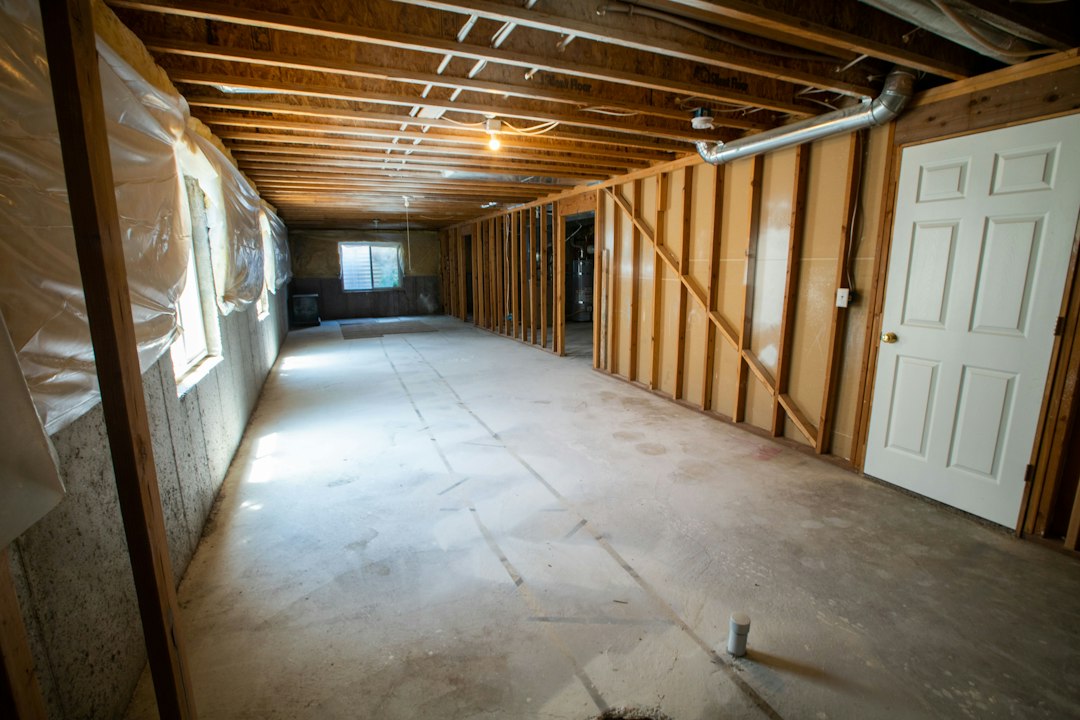
    A heavy summer storm over Saint-Jérôme, a fast spring thaw in Mont-Laurier, a rain-on-snow event in Blainville: in the Laurentides, sewer backups tend to come all at once, when municipal networks are overloaded. Within minutes, water and sewage can come up through a basement floor drain, a shower or a toilet. If your basement is finished or rented, the damage can be serious.

    Many homeowners only learn after the fact that their policy didn’t include sewer backup, or that their claim was complicated by a missing backwater valve. This guide explains the endorsement, how it differs from flood coverage, what municipal bylaws require, and how to reduce the risk.

    Key takeaways

    • Sewer backup is optional coverage you add to your policy, not standard.
    • It covers water entering through the drainage system (drains, sewer pipes, sump), not water flowing in from outside.
    • Overland flood (rivers, lakes, surface water) is a separate optional coverage.
    • Endorsements often have their own limit and sometimes a separate deductible.
    • Many Quebec municipalities require backwater valves and annual maintenance, and may not be liable if you don’t comply.
    • Prevention (valve, sump pump, grading, downspouts) protects both your basement and your insurability.

    What is the sewer backup endorsement?

    In Quebec, insurers and brokers call it the avenant refoulement d’égout. An endorsement is an addition to your policy that changes or extends coverage. According to the Insurance Bureau of Canada’s brochure Water Damage: Are You Protected?, sewer backup coverage protects against damage from a sudden backup of sewers, pipes, drains, septic systems or sump pumps, and it is available as optional coverage added to a home, condo or tenant policy. In some areas, coverage may be limited.

    In its 2026 guidance after flooding in Ottawa, reported by Insurance-Canada.ca, the IBC repeated that basement water damage from a sewer backup is only covered if you have bought specific, optional sewer backup coverage, and that coverage varies by insurer and policy.

    Is sewer backup covered by default?

    Usually not. Some insurers bundle it into premium packages, but you shouldn’t assume it’s there. Look in your policy declarations for a line mentioning sewer backup, water backup or refoulement des égouts. If you don’t see it, call your insurer or broker.

    Sewer backup vs overland flood vs plumbing water damage

    Water damage claims fall into different categories, and each is handled differently.

    Type of water Where it comes from Usual coverage
    Sudden plumbing leak Burst pipe, water heater, appliance hose inside the home Included in most home, condo and tenant policies
    Sewer backup Water or sewage pushed back up through drains, sewer pipes or the sump Optional endorsement
    Overland flood Rivers, lakes, surface runoff entering at ground level or through openings Optional coverage; may be unavailable in high-risk zones
    Groundwater seepage Water through foundation walls or floor Varies; often linked to the overland/flood endorsement or excluded

    Some insurers combine sewer backup and overland water in one endorsement; others sell them separately. If you live near the Rivière du Nord, the Rouge or a lake, ask about both. For a broader look at all water coverages, read our guide on water damage, sewer backup and flood insurance in the Laurentides.

    Limits and deductibles

    A sewer backup endorsement usually has its own maximum amount, which can be lower than your main building and contents limits. Some policies also apply a separate deductible to water claims. When comparing quotes, ask:

    1. What’s the maximum payable for a sewer backup claim?
    2. Is the deductible the same as the rest of the policy, or higher?
    3. Does the limit cover both the building and contents, or each separately?
    4. Are finished basement materials, like flooring and drywall, covered at replacement cost?
    5. Is a working backwater valve or sump pump a condition of coverage or of a discount?

    If you finished your basement or rent it out, a low limit might not be enough. We don’t publish typical amounts because they vary between insurers, so read the declarations page carefully.

    Advertisement

    Backwater valves and municipal bylaws in Quebec

    A backwater valve (clapet antiretour) is a device installed on a drain pipe that closes automatically when water or sewage flows back from the municipal sewer, preventing it from reaching basement fixtures.

    What municipal bylaws require

    Many Quebec municipalities have adopted bylaws requiring owners to install and maintain these devices. One example in the Laurentides is the Municipalité de Lac-des-Écorces, near Mont-Laurier. Its bylaw 273-2022 on protection against water damage requires the owner of any building connected to the sanitary, storm or combined sewer to install the backwater valves needed to prevent backflow, regardless of when the building was built. It requires valves on branches serving fixtures located below street level, including floor drains, foundation drains and the sump pump discharge, and it requires the owner to inspect and maintain the valve every year. Valves must stay accessible.

    The bylaw also relies on section 21 of Quebec’s Municipal Powers Act (Loi sur les compétences municipales): a municipality isn’t liable for damage to a building or its contents if the owner failed to install or maintain a required protective device. Many other municipalities have similar rules, but the details differ. Contact your town hall, whether in Saint-Jérôme, Mirabel, Sainte-Agathe-des-Monts or elsewhere, for the bylaw that applies to you.

    Plumbing code requirements

    Installation must follow the plumbing chapter of the Quebec Construction Code. The Corporation des maîtres mécaniciens en tuyauterie du Québec (CMMTQ) explains in its technical sheet on backwater valves (posted by the Ville de Saint-Sauveur) that fixtures located below the level of the adjacent street must be protected, that valves must remain accessible for maintenance and cleaning, and that some municipalities restrict certain valve types. Hire a licensed plumber who knows your municipality’s rules.

    Why the valve matters for insurance

    Insurers may ask whether you have a backwater valve before offering the endorsement, and some may set conditions. A missing or blocked valve can complicate a claim against the municipality and, depending on your policy wording, your insurer may raise the question too. Keeping maintenance receipts is a good idea.

    How to prevent sewer backup

    The IBC recommends several simple measures:

    • Install a backwater valve and keep it accessible and clean.
    • Install a sump pump with a battery backup in case of power failure.
    • Keep downspouts at least 6 feet (about 2 metres) from the foundation.
    • Grade the lot so water flows away from the house.
    • Store valuables and documents off the basement floor or upstairs.
    • Use water-resistant materials in the basement, and raise the furnace, water heater and electrical panel where possible.
    • Don’t pour grease down drains, which can block pipes.

    Check with your municipality before connecting a sump pump or downspouts: many bylaws prohibit connecting roof drainage to the foundation drain.

    What to do if your basement backs up

    1. Stay safe: don’t enter standing water near electrical outlets or appliances, and cut the power if it’s safe to do so.
    2. Call your insurer or broker as soon as possible.
    3. Document everything with photos and video before cleaning.
    4. Prevent further damage: start drying, but keep damaged items until the adjuster sees them or approves disposal.
    5. Notify the municipality quickly if you believe the public network was at fault; bylaws and the law set short deadlines for notices.

    Our step-by-step guide on how to file a home insurance claim in Quebec covers the claim process in detail. Tenants in basement units should also read our guide on tenant insurance in Quebec.

    Advertisement

    Frequently asked questions

    Is sewer backup covered by home insurance in Quebec?

    Not by default in most policies. It’s an optional endorsement you add to your home, condo or tenant policy. Check your declarations page or ask your insurer.

    What’s the difference between sewer backup and flood insurance?

    Sewer backup covers water coming up through your drains and sewer pipes. Overland flood coverage applies to water from outside, like rivers, lakes or runoff, entering at ground level. They are separate coverages, though some insurers bundle them.

    Is a backwater valve mandatory in Quebec?

    There’s no single province-wide rule for every home, but many municipalities require one by bylaw, along with yearly maintenance. The plumbing code also requires protection for fixtures below street level. Check your town’s bylaw.

    Will my claim be refused if I don’t have a backwater valve?

    It depends on your policy wording and the insurer’s conditions. A missing valve can also release the municipality from liability. Ask your insurer what conditions apply to the endorsement.

    Does tenant insurance include sewer backup coverage?

    Usually only if you add it. Tenants in basement or ground-floor units should ask for it, since their belongings are the most exposed.

    Is the municipality responsible for a sewer backup?

    Sometimes, but municipalities are often exempt when the owner didn’t install or maintain a required protective device. Strict notice deadlines also apply, so act quickly.

    Have a question we didn’t answer? Contact us.

    Sources: Insurance Bureau of Canada, Insurance-Canada.ca (IBC guidance), Municipalité de Lac-des-Écorces, bylaw 273-2022, CMMTQ fact sheet (Ville de Saint-Sauveur)

    This article is for general information only and is not insurance advice. Laurentides Insurance Guide does not sell insurance. Always confirm with a licensed broker or your insurer.

  • Insuring an Older Home in Quebec: Wiring, Oil Tanks, Roofs and Plumbing

    Insuring an Older Home in Quebec: Wiring, Oil Tanks, Roofs and Plumbing

    Quick answer: Yes, you can insure an older home in Quebec, but insurers will look closely at four systems: electrical (knob-and-tube or aluminum wiring, fuse panels), heating (especially oil tanks and wood stoves), the roof and the plumbing. Original or outdated systems can lead to higher premiums, conditions, an inspection requirement or a refusal. Updating these systems, and keeping invoices and certificates that prove the work, is the most effective way to get and keep coverage.

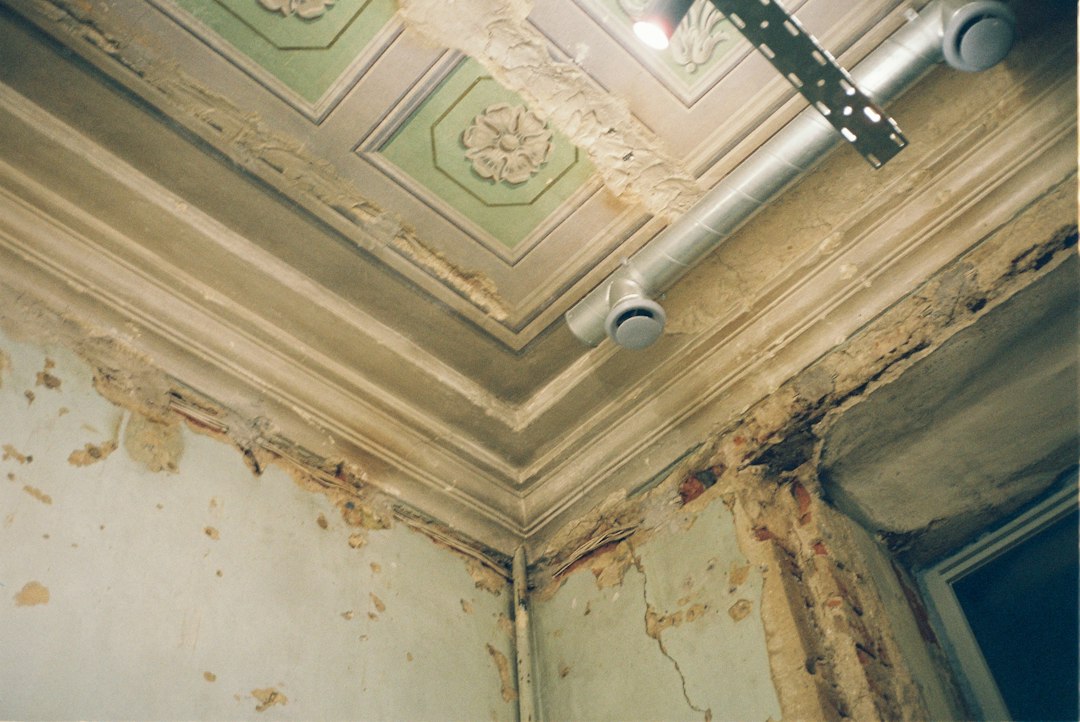
    Walk through Saint-Jérôme’s older neighbourhoods, the village cores of Sainte-Agathe-des-Monts, Saint-Sauveur, Sainte-Adèle, Labelle or Mont-Laurier, and you will see plenty of century-old homes, converted farmhouses and post-war bungalows. Many have been lovingly maintained. Others still hide original wiring behind the plaster, an oil tank in the basement or galvanized pipes that have seen better days.

    When you buy or renew insurance for an older home, these details matter a great deal. This guide explains what insurers ask about, why certain systems concern them, which upgrades tend to help and how to document your home so the process goes smoothly.

    Key takeaways

    • Insurers focus on electrical, heating, roof and plumbing: the systems most associated with fire and water losses.
    • Knob-and-tube wiring, ungrounded circuits and fuse panels can make an older home harder to insure; many insurers require replacement or an electrician’s assessment.
    • Aluminum wiring, common in some homes built in the 1960s and 1970s, may be accepted if properly repaired with compatible connectors; ask your insurer.
    • Aging oil tanks are a major concern because leaks can cause costly environmental contamination.
    • Insurers ask for the roof’s installation date; CAA-Québec notes asphalt shingles last about 20 to 25 years.
    • Keep invoices, permits and certificates for every upgrade; they are your best proof.
    • Make the purchase offer conditional on obtaining insurance when buying an older home.

    Advertisement

    Why is it harder to insure an older home in Quebec?

    Age alone is not the problem. A well-maintained 1920s house with updated systems may be easier to insure than a neglected 1985 bungalow. What concerns insurers is the condition and age of the systems that cause the most frequent and costly claims: fire from electrical faults or heating appliances, and water damage from roofs, plumbing and water heaters.

    Older homes also cost more to rebuild per square foot in some cases, because of plaster walls, wood trim, unique architectural details and the need to bring repairs up to current building codes. Your dwelling limit should reflect the real cost of rebuilding, not the market value. Our article on the cost of home insurance in Quebec explains how premiums are calculated.

    What do insurers ask about an older home?

    According to CAA-Québec’s guide to preparing for a home insurance quote, insurers typically ask about:

    • the year of construction and general condition of the home;
    • the type of electrical panel (breakers or older fuses);
    • the type of wiring (copper or aluminum), particularly in homes built before 1980;
    • the heating system and its installation date, including oil systems;
    • any auxiliary heating such as a wood, gas or pellet stove;
    • the roof type and installation date;
    • the water heater type and installation date;
    • the presence of a backwater valve, sump pump and water leak detectors;
    • smoke and carbon monoxide detectors, and any monitored alarm;
    • renovations and improvements made over the years;
    • prior claims.

    Have the answers ready, ideally with dates and documents. Our home insurance checklist for buying a property in the Laurentides goes through each item.

    Electrical: knob-and-tube, aluminum wiring and fuse panels

    Can you get insurance with knob-and-tube wiring in Quebec?

    Knob-and-tube wiring, found in homes built roughly before the mid-20th century, uses individual wires run through ceramic knobs and tubes, without a ground conductor. Over time, insulation can become brittle, connections may have been modified by past owners, and the system was not designed for today’s electrical loads. Many insurers will decline a home with active knob-and-tube wiring, or will insure it only on conditions such as an inspection by a licensed electrician, a higher premium or a deadline to replace it.

    If you are buying a home with knob-and-tube, ask your broker before removing the conditions on your offer. Some buyers negotiate the cost of rewiring into the purchase price.

    Is aluminum wiring a problem for insurance?

    Aluminum branch wiring was used in some homes in the 1960s and 1970s. The main concern is at connections, where aluminum can loosen and overheat if paired with incompatible devices. Insurers’ positions vary: some accept it if a licensed electrician has made repairs with approved connectors and provides a written report, others apply surcharges or restrictions. CAA-Québec specifically mentions that insurers ask about wiring type in homes built before 1980.

    Will insurers cover a house with a fuse panel?

    Fuse panels are a classic red flag for insurers, partly because of their age and partly because they are often associated with lower-amperage service that struggles with modern demand. Some insurers still accept fuse panels with conditions, while others require an upgrade to a breaker panel. Replacing a fuse panel is generally one of the more straightforward upgrades and often makes a noticeable difference in your insurability.

    Electrical work in Quebec must be performed by a licensed master electrician. Keep the invoice and any declaration of work; insurers frequently ask for proof of who did the work and when.

    Heating: oil tanks, old furnaces and wood stoves

    Why do insurers worry about oil tanks?

    Heating oil leaks can contaminate soil, groundwater and neighbouring properties, and decontamination can be very expensive. CAA-Québec notes that oil heating systems raise environmental concerns because a leaking tank can be costly to decontaminate. The OACIQ (Quebec’s real estate brokerage regulator) describes an “aging tank” as generally 15 to 20 years old for an outdoor tank or 25 years for an indoor tank, and warns that aging or poorly maintained tanks can be difficult to insure. It also notes that some oil suppliers refuse to deliver to tanks that are too old or non-compliant.

    Insurers commonly ask for the tank’s age, location (indoor, outdoor, underground), material and condition. Many will not insure a home with an underground oil tank, or a tank beyond their age limit, unless it is replaced or removed. If you convert to another heating source, have the old tank properly removed and keep the proof of removal.

    What about wood stoves and fireplaces?

    Wood heating is very common in the Laurentides and in older homes. Insurers want to know whether the appliance is certified, how it was installed, whether the chimney is inspected and swept regularly and how much wood you burn. Read our full guide on wood stove and fireplace insurance in Quebec.

    Advertisement

    Roof: age, materials and condition

    Insurers ask for the roof type and installation date because a roof at the end of its life is more likely to leak, and wear-related leaks are generally excluded from coverage anyway. CAA-Québec indicates that asphalt shingles last about 20 to 25 years. Older homes in the Laurentides may also have metal roofs, cedar shingles or low-slope sections prone to ice dams.

    Some insurers apply depreciation to older roofs in a claim, restrict coverage, or ask for a roofer’s inspection. Replacing an old roof is an expensive project, but it is also one of the upgrades most valued by insurers. For winter-specific issues, see our guide on roof, snow load and winter insurance in the Laurentides, and find regional roofing resources on toiture.thelaurentides.com.

    Plumbing: old pipes, water heaters and drains

    Water damage is one of the most frequent home insurance claims in Quebec. In older homes, insurers may ask about:

    • Supply pipe material: galvanized steel and older materials can corrode from the inside; some types of plastic piping installed in past decades are viewed with suspicion by some insurers.
    • Cast iron or clay drains: prone to cracks and root intrusion.
    • Water heater age: CAA-Québec notes water heaters last about 10 to 12 years; many insurers ask for the installation date and may impose conditions on older tanks.
    • Backwater valve and sump pump: important protections against sewer backup and groundwater.
    • Well and septic systems: common outside village centres in the Laurentides.

    Our guide to water damage, sewer backup and flood insurance explains what is covered and the endorsements available.

    Summary table: older-home systems and insurer attitudes

    System What insurers commonly ask Typical concern Upgrade that usually helps
    Knob-and-tube wiring Is any still active? Fire risk, no ground Full rewiring by a licensed electrician
    Aluminum wiring Has it been repaired with approved connectors? Overheating at connections Electrician’s remediation and written report
    Fuse panel Fuses or breakers? Amperage? Age, overload, tampering Replace with breaker panel
    Oil tank Age, location, material, condition Leaks and contamination Replace tank or convert and remove it
    Wood stove Certified? Installed by whom? Chimney swept? Fire Certified appliance, professional installation, annual sweeping
    Roof Material and installation year Leaks, ice dams Replacement, documented maintenance
    Water heater Installation date Tank failure Replacement before end of life, leak detector
    Plumbing Pipe materials, backwater valve Leaks, sewer backup Re-piping, backwater valve, sump pump

    Which upgrades can lower my premium or make my home insurable?

    We cannot predict how much any specific upgrade will reduce your premium, because each insurer has its own rating rules. In general, however, insurers respond favourably to:

    1. Removing knob-and-tube wiring and replacing fuse panels with breakers.
    2. Replacing or removing aging oil tanks.
    3. Replacing an old roof and addressing ice dam issues.
    4. Updating plumbing and replacing an aging water heater.
    5. Installing a backwater valve and a sump pump where appropriate.
    6. Adding water leak detectors with automatic shut-off valves.
    7. Installing a monitored fire and intrusion alarm.

    Before starting, ask your insurer or broker which upgrades matter most to them. If you are unhappy with the answer, compare: our guide on how to shop for home insurance in the Laurentides explains how.

    How should I document my older home’s updates?

    • Invoices with the contractor’s name, licence number (RBQ licence for contractors), date and description of the work.
    • Electrician’s declarations or reports for wiring and panel work.
    • Certificates for wood stoves and chimney inspections.
    • Proof of oil tank removal or replacement.
    • Photos of the new panel, roof, water heater and plumbing.
    • The pre-purchase inspection report, which often lists the age and condition of systems.

    Store copies in the cloud. If a claim occurs, these documents also help prove the home’s value and condition. For more on the claims process, see our guide on how to file a home insurance claim in Quebec.

    Buying an older home in the Laurentides: protect yourself

    The OACIQ recommends that buyers’ brokers suggest making the promise to purchase conditional on obtaining insurance confirmation when an aging oil tank is involved. That advice applies more broadly to any older home with questionable systems. A few steps:

    • Get insurance quotes before removing conditions, giving the insurer the inspection report.
    • Ask the seller for invoices and the claims history.
    • Budget for upgrades insurers may require within a deadline.
    • If the home will be a chalet or rental, mention it from the start; see our chalet insurance guide.

    If an insurer later refuses to renew because of an older system, our guide on cancellation and non-renewal in Quebec explains your options. Explore the region’s villages on thelaurentides.com.

    Advertisement

    Frequently asked questions

    Can I get home insurance with knob-and-tube wiring in Quebec?

    It can be difficult. Many insurers decline homes with active knob-and-tube wiring or accept them only with conditions such as an electrician’s inspection, a higher premium or a deadline to replace it. Rewiring generally improves your options significantly.

    Do insurers accept homes with fuse panels?

    Some do, often with conditions; others require replacing the fuse panel with a breaker panel. Since CAA-Québec lists panel type among the standard quote questions, expect to be asked and be ready to provide details.

    How old can an oil tank be for insurance?

    Each insurer sets its own limits. The OACIQ generally considers an outdoor tank aging at 15 to 20 years and an indoor tank at 25 years, and notes that aging tanks can be hard to insure. Check your insurer’s rules and keep proof of the tank’s installation date.

    Does an old roof affect home insurance?

    Yes. Insurers ask for the roof’s installation date and type. An older roof may lead to depreciation in a claim, restrictions or an inspection request. Leaks caused by wear are generally not covered regardless of the roof’s age.

    Is a heritage or century home more expensive to insure?

    It can be, because rebuilding with similar materials and craftsmanship can cost more, and older systems add risk. Ask your broker whether your policy covers rebuilding with similar materials and whether bylaw or code upgrade costs are included.

    Should I tell my insurer when I upgrade wiring, roofing or plumbing?

    Yes. Updates can improve your rating, and insurers need accurate information about the home. Send invoices and certificates to your broker or insurer, and ask them to update your file.

    Have a question we didn’t answer? Contact us.

    This article is for general information only and is not insurance advice. Laurentides Insurance Guide does not sell insurance. Always confirm with a licensed broker or your insurer.

  • Can My Insurer Cancel or Refuse to Renew My Policy in Quebec?

    Can My Insurer Cancel or Refuse to Renew My Policy in Quebec?

    Quick answer: Yes, but within rules. For home insurance, the Civil Code of Québec allows an insurer to cancel (resiliate) a policy at any time by written notice, with the cancellation taking effect 15 days after you receive it and any unearned premium refunded. An insurer can also decline to renew at the end of the term. Auto insurance is more protected: after the first 60 days, an insurer can only cancel for non-payment or a significant increase in risk, with 30 days’ notice, and must give at least 30 days’ written notice before refusing to renew. If you disagree, complain to the insurer first, then ask to transfer your file to the AMF.

    A letter from your insurer saying your policy will be cancelled, or will not be renewed, can feel like the floor falling away. Without insurance, your mortgage lender may be in breach of conditions, you cannot legally drive, and a single storm or fire could become a financial disaster. Laurentides homeowners are not immune: older homes, chalets left empty for weeks, wood stoves, short-term rentals and multiple water claims are all situations that can lead insurers to reconsider a file.

    This guide explains the difference between cancellation and non-renewal, the notice rules that apply in Quebec for home and auto insurance, what you can do if it happens to you, and how to file a complaint if you think you have been treated unfairly.

    Key takeaways

    • Cancellation (resiliation) ends a policy during its term; non-renewal means the insurer will not offer a new term when the policy expires.
    • Home insurance: the insurer may cancel at any time by written notice; it takes effect 15 days after you receive the notice (Civil Code, arts. 2477 and 2479), and you get a pro rata refund.
    • Home insurance non-renewal: no specific legal notice period, although insurers usually notify about 30 days ahead.
    • Auto insurance: after the first 60 days, cancellation is only allowed for non-payment or a significant increase in risk, with 30 days’ notice; non-renewal requires at least 30 days’ written notice.
    • Changes at renewal that reduce coverage must be notified in writing at least 30 days before the end of the term (Civil Code, art. 2405).
    • You must disclose a past cancellation or non-renewal to any new insurer that asks.
    • Complaints go to the insurer first, then to the AMF if unresolved.

    Advertisement

    What is the difference between cancellation and non-renewal?

    The two terms are often used interchangeably, but legally they are very different.

    Cancellation (resiliation) Non-renewal
    When it happens During the policy term At the end of the policy term
    Home insurance notice Written notice; effective 15 days after receipt by the insured No specific legal deadline; insurers usually notify about 30 days ahead
    Auto insurance notice First 60 days: 15 days, any reason. After 60 days: 30 days, only for non-payment or significant increase in risk At least 30 days’ written notice to the insured or broker
    Premium Unearned premium refunded Policy simply ends at expiry
    Main legal source Civil Code arts. 2477, 2479; Automobile Insurance Act s. 91 Automobile Insurance Act s. 90 (auto)

    The Chambre de l’assurance de dommages (ChAD) provides a clear consumer summary of these rules, along with a one-page table of home insurance deadlines.

    Can my home insurer cancel my policy in the middle of the term?

    Yes. Under the Civil Code of Québec, a damage insurer may cancel (resiliate) the contract by sending written notice to each named insured. According to the ChAD, the cancellation takes effect 15 days after the insured receives the notice at their last known address, and the insurer must refund the premium for the period not covered (arts. 2477 and 2479 C.C.Q.).

    For home insurance, the insurer does not have to give a reason. In practice, mid-term cancellations usually follow one of these situations:

    • non-payment of premium;
    • discovery of a significant undeclared fact, such as a short-term rental, an uncertified wood stove or a home left vacant;
    • an increase in risk the insurer was not told about;
    • an inspection revealing conditions the insurer will not accept (old wiring, an aging oil tank, a damaged roof);
    • a pattern of claims.

    What is an “increase in risk” and why does it matter?

    Article 2466 of the Civil Code requires the insured to promptly tell the insurer about changes that increase the risk and result from the insured’s own actions. Examples: starting to rent your chalet on Airbnb, installing a wood stove, leaving a house unoccupied for an extended period, or starting a business at home. Once informed, the insurer may accept the change, adjust the premium, or cancel. If you fail to disclose and a loss occurs, the insurer may reduce your claim payment or, in some cases, treat the contract as void. For examples relevant to the region, see our guides on short-term rental chalet insurance and wood stove and fireplace insurance.

    Can my insurer refuse to renew my home insurance?

    Yes. A home insurance contract runs for a fixed term, usually one year, and renewal is not automatic as a matter of law. The ChAD notes that the law does not set a specific notice mechanism or deadline for non-renewal of home insurance, although insurers usually send a notice about 30 days before expiry.

    What the law does regulate is renewal with changes. Under article 2405 of the Civil Code, if the insurer renews with modifications, it must give written notice at least 30 days before the end of the current term, and changes that reduce coverage or increase your obligations must be indicated in a separate document. Read renewal packages carefully: a lower limit, a higher deductible or a new exclusion (for example on water damage) may be buried in the paperwork.

    What are the rules for auto insurance?

    Because liability insurance is mandatory to drive in Quebec, auto insurance enjoys stronger protection under the Automobile Insurance Act. According to the ChAD:

    • During the first 60 days of a new policy, the insurer may cancel without giving a reason, by written notice; cancellation takes effect 15 days after you receive it.
    • From day 61 onward, the insurer may cancel only for non-payment of premium or a significant increase in risk, with written notice taking effect 30 days after receipt.
    • Non-renewal: the insurer must notify the insured or the broker in writing at least 30 days before the policy expires.

    If your auto policy ends, do not drive until you have new coverage. If you cannot find an insurer, the ChAD advises contacting the Groupement des assureurs automobiles (GAA). Our guides on auto insurance in the Laurentides and how to lower car insurance in Quebec cover the basics and ways to rebuild your profile.

    Advertisement

    Can I cancel my own policy?

    Yes. You can cancel your home or auto policy at any time by sending written notice to the insurer, signed by every named insured. The ChAD explains that the cancellation takes effect when the insurer receives the notice. A short-rate penalty set out in your contract may apply, and it is generally higher the further you are from the expiry date. Avoid simply stopping payments: the ChAD warns that this can make it harder to find a new insurer and may affect your credit.

    What should I do if my policy is cancelled or not renewed?

    1. Read the notice carefully. Note the effective date. For home insurance, count 15 days from the day you received it.
    2. Ask for the reasons in writing. The insurer may not be legally required to give reasons for home insurance, but asking often reveals a fixable problem (a missing certificate, an inspection report, an outstanding payment).
    3. Contact your broker or insurer immediately. If the problem can be corrected, for example by replacing a fuse panel or providing a wood stove inspection, the insurer may reconsider.
    4. Shop for new coverage right away. Do not wait until the last day. A broker can approach several insurers. See our guide on brokers vs agents vs direct insurers.
    5. Disclose the cancellation honestly. Insurers usually ask whether a policy was cancelled or refused in the past. Failing to disclose can void the new policy.
    6. Notify your mortgage lender if your home insurance is affected; most mortgages require continuous coverage.
    7. Keep proof of everything: notices, emails, inspection reports, invoices for upgrades.

    My broker sent me an “end of mandate” letter. What does that mean?

    A broker may stop representing you. The ChAD advises contacting the broker for a detailed explanation, asking whether your current insurer will continue to cover you, and finding new coverage quickly. The broker must help transfer your file.

    What if no insurer wants to cover me? (The high-risk market)

    Some homeowners, especially those with older homes, several recent claims, vacant properties or particular risks, find that mainstream insurers decline them. Options can include:

    • Specialized or non-standard insurers accessed through brokers, often at higher premiums and with stricter conditions;
    • Temporary policies while you complete required upgrades;
    • Reducing the risk: correcting the issues behind the refusal, such as updating wiring, replacing an oil tank or roof, installing water leak detectors. See our guide on insuring an older home in Quebec.
    • Accepting a higher deductible or reduced coverage while you rebuild your claims history.

    For auto insurance, the GAA can help drivers who cannot find coverage. Premiums in the non-standard market can be significantly higher, so consider it a temporary solution while you work on your profile. Our article on the cost of home insurance in Quebec explains the factors insurers weigh.

    How do I file a complaint against an insurer in Quebec?

    If you believe your file was handled unfairly, Quebec has a structured complaint process. According to the Autorité des marchés financiers (AMF):

    1. Gather your documents: policy, notices, correspondence, names of people you spoke with, notes of conversations.
    2. Raise the issue verbally with the insurer or representative first.
    3. File a written complaint with the firm if the issue is not resolved. The firm must acknowledge it, examine it fairly and send you a final written response, and tell you that you can transfer your file to the AMF.
    4. Request a transfer to the AMF if you remain dissatisfied. The firm forwards a copy of your complaint file to the AMF, which then decides whether it can offer mediation or conciliation.
    5. Mediation or conciliation is voluntary: the AMF cannot force either party to participate.

    Important: the AMF notes that its complaint process does not suspend the limitation period for going to court. If you are considering legal action, keep track of that deadline and consider consulting a lawyer.

    If your complaint concerns the professional conduct of a broker, agent or claims adjuster rather than the insurer’s decision, the ChAD is the professional body that oversees damage insurance representatives in Quebec.

    Laurentides situations that often trigger a review

    • Chalets left empty in winter without regular checks. See our chalet and cottage insurance guide.
    • Undeclared short-term rentals in tourist areas like Mont-Tremblant, Saint-Sauveur or Val-David.
    • Repeated water claims from sewer backup, ice dams or burst pipes. Our water damage guide explains prevention measures insurers value.
    • Older village homes with original wiring, fuse panels or old oil tanks.
    • Wood stoves installed without declaring them or without proper certification.

    Advertisement

    Frequently asked questions

    How much notice must my home insurer give to cancel my policy in Quebec?

    Cancellation by a home insurer takes effect 15 days after the insured receives written notice at their last known address, under articles 2477 and 2479 of the Civil Code of Québec. The unearned premium must be refunded.

    Does my insurer have to tell me why it won’t renew?

    For home insurance, the law does not set a specific obligation or deadline for non-renewal. It is still wise to ask for the reason in writing, as it may be something you can correct. For auto insurance, the insurer must give at least 30 days’ written notice before refusing to renew.

    Can my insurer cancel because I made a claim?

    For home insurance, the insurer can cancel for any reason with proper notice, so a claim history can lead to cancellation or non-renewal. For auto insurance after the first 60 days, cancellation is only allowed for non-payment or a significant increase in risk, though a claims history can affect renewal.

    Do I have to tell a new insurer my policy was cancelled?

    Yes, if asked, and insurers almost always ask. You have a duty to disclose facts that are relevant to the risk. Hiding a past cancellation or non-renewal can lead the new insurer to reduce a claim payment or void the policy.

    Can I get my money back if my policy is cancelled?

    If the insurer cancels, you are entitled to a refund of the premium for the period not covered. If you cancel yourself, a short-rate penalty set out in your contract may reduce the refund.

    Where can I complain about an insurer’s decision?

    First file a complaint with the insurer itself. If you are not satisfied with its final written response, you can ask that your complaint file be transferred to the Autorité des marchés financiers (AMF), which may offer mediation or conciliation.

    Have a question we didn’t answer? Contact us.

    This article is for general information only and is not insurance advice. Laurentides Insurance Guide does not sell insurance. Always confirm with a licensed broker or your insurer.

  • Does Home Insurance Cover Storm Damage and Fallen Trees in Quebec?

    Does Home Insurance Cover Storm Damage and Fallen Trees in Quebec?

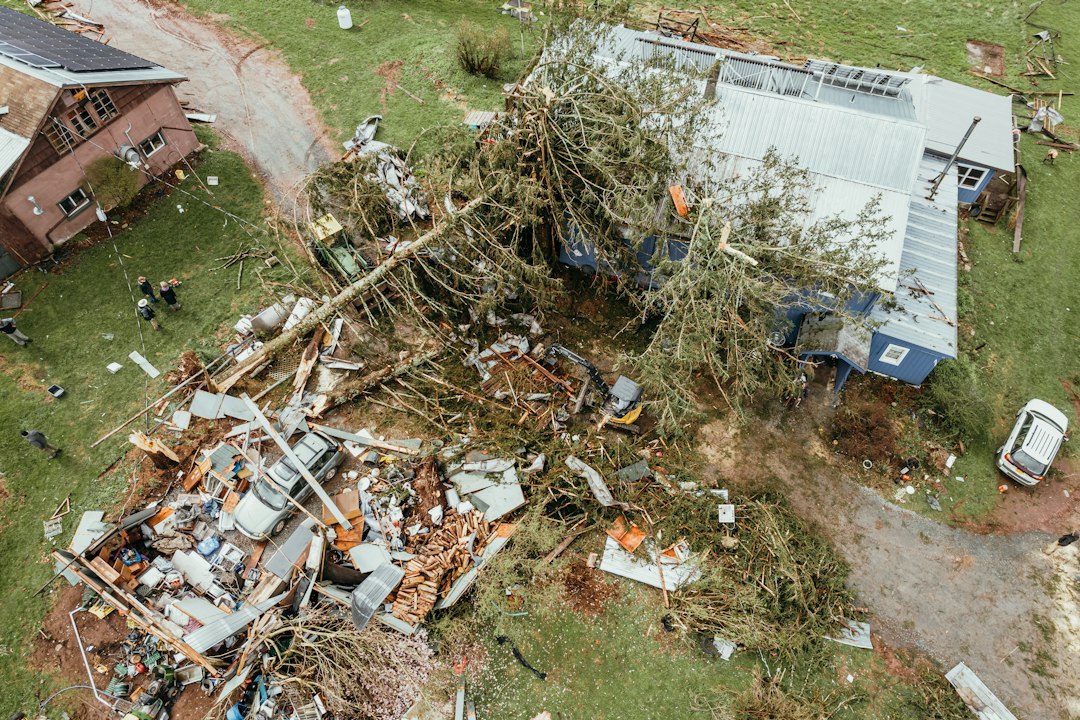
    Quick answer: Yes, in most cases. A standard Quebec home insurance policy generally covers sudden damage caused by wind, hail, lightning and the weight of ice, including a tree or branch that falls on your house, garage, shed or fence, and the cost of removing the debris from the damaged structure. A tree falling on your car is an auto claim covered only if you carry comprehensive or all-perils coverage. Water entering through a storm-damaged roof is usually covered, but rising surface water (flooding) and sewer backup require separate endorsements.

    Few things are more stressful than finding a maple across your roof the morning after a windstorm. In the Laurentides, where many homes in Val-David, Sainte-Adèle, Saint-Sauveur or around Mont-Tremblant sit among mature trees, and where freezing rain and heavy wet snow are regular visitors, the same question comes up again and again: does my home insurance actually cover this?

    This guide explains how Quebec home insurance usually responds to wind, ice storms, hail and fallen trees, who pays when a neighbour’s tree is involved, and what happens to your freezer after a long outage. Every policy wording is different, so use it as a starting point before reading your own contract.

    Key takeaways

    • Wind, hail, lightning and the weight of ice or snow are covered perils in most Quebec home insurance policies.
    • A tree that falls on your house, garage, shed, deck or fence is generally a claim on your own home policy, even if the tree belonged to your neighbour or the municipality.
    • A tree that falls on your car is an auto claim, covered only with comprehensive or all-perils coverage.
    • Debris removal is usually covered when the tree damaged an insured structure; removing a tree that fell without damaging anything is often not covered or is subject to a small limit.
    • The tree itself, gradual root damage and lack of maintenance are typically not covered.
    • Hydro-Québec states that it does not compensate for outages caused by weather events, so food spoilage claims go through your own insurer, if your policy includes that coverage.

    Advertisement

    Does home insurance cover wind damage in Quebec?

    Wind is one of the core perils covered by virtually every home insurance policy sold in Quebec, whether you have a “named perils” (basic) or an “all risks” (comprehensive) form. Shingles torn off the roof, broken windows, a damaged soffit, a bent chimney cap or siding peeled off by a strong gust are all classic examples of sudden, accidental wind damage.

    The important nuance concerns water. Most policies cover rain or snow that enters the house through an opening created by the wind or by a falling object, such as a hole in the roof made by a branch. Water that seeps in through an old, worn roof without any storm damage is usually treated as a maintenance problem and excluded. If you are unsure about your roof’s condition, see our guide on roof, snow load and winter insurance in the Laurentides.

    What about hail?

    Generally yes. Hail damage to your home is claimed on your home policy; hail damage to your car is claimed on your auto policy, only if you carry comprehensive or all-perils coverage. Some insurers apply depreciation to older roofing.

    Are ice storms covered by home insurance?

    Freezing rain remains a regular winter event in the Laurentides. In general, home insurance covers damage caused by the weight of ice, snow or sleet on the building, as well as damage from branches or trees that break under the load and fall on insured structures.

    Ice storms often cause several losses at once:

    • Roof or structure damaged by ice weight or falling branches: generally covered as a sudden loss.
    • Ice dams that push meltwater under shingles: coverage varies widely between insurers and policy forms. Some cover the resulting interior water damage, others exclude it or treat it as a maintenance issue.
    • Frozen and burst pipes during a long power outage: often covered, provided you took reasonable precautions (keeping the heat on, shutting off and draining the water if the house was left unheated). Policies commonly exclude freezing damage if a home was left unattended without these measures, especially chalets.
    • Food spoilage due to a prolonged outage: depends on your policy (see below).
    • Additional living expenses: usually covered when the home is uninhabitable because of an insured loss.

    Does home insurance cover a tree falling on my house?

    Generally, yes. According to the Insurance Bureau of Canada (IBC), home insurance usually covers damage when a tree or branch falls on your home because of wind or lightning, which are the most common causes. This also extends to other structures on your property, such as a detached garage, shed, fence or deck.

    Your claim would typically include:

    1. Repairs to the damaged structure (roof, walls, windows, siding).
    2. Damage to the contents inside, if the falling tree or the resulting water damaged furniture, electronics or other belongings.
    3. The cost of removing the tree debris from the structure, usually included with the loss.

    Your deductible applies once per claim. If you need help with the steps, documentation and timelines, read our guide on how to file a home insurance claim in Quebec.

    What if the tree fell but didn’t hit anything?

    This is a frequent source of surprise. If a tree falls in your yard without damaging a building, fence or other insured property, many policies will not pay to cut it up and haul it away, or only provide a small, specific limit for debris removal. The IBC also notes that insurance does not pay to replace the tree itself. Trees, shrubs and plants are usually covered only for a short list of perils such as fire, lightning or vandalism, and with limited amounts. Wind is often not one of them.

    Is a tree falling on my fence covered?

    Yes, in most policies a fence is a detached structure covered when a tree falls on it. The detached structures limit is often a percentage of your dwelling limit, so properties with several outbuildings may need more.

    What if my neighbour’s tree falls on my house?

    This is one of the most searched tree questions, and the answer often surprises people: you usually claim on your own home insurance, regardless of who owns the tree. The IBC explains that your insurer handles repairs to your property even if the tree belonged to your neighbour or the city.

    Responsibility is separate. Owners are generally responsible for damage caused by their trees, but the Government of Quebec’s page on trees and branches between neighbours notes an important exception: damage caused by an unforeseeable event of superior force, such as violent winds that topple a healthy tree. In that case, the neighbour is generally not at fault, and each owner’s insurer handles their own client’s damage.

    If the tree was visibly dead or leaning and the owner ignored warnings, your insurer may try to recover what it paid from the neighbour’s liability insurer (subrogation). Practical tips:

    • If you see a neighbour’s tree that looks likely to fall, ask them in writing to have it inspected or cut. Keep a copy and take photos.
    • Do not cut a neighbour’s tree, branches or roots yourself without permission: the Quebec government warns that the owner could claim damages from you.
    • Check your municipality’s by-laws. Many Laurentides municipalities require a permit to cut trees, particularly near lakes and in protected shoreline strips.

    What if my tree falls on my neighbour’s property?

    Your neighbour will normally claim on their own home insurance. If their insurer believes you were negligent, it may seek reimbursement from you, and the civil liability section of your home policy would usually respond.

    Advertisement

    Does car insurance cover a tree falling on my car?

    A tree falling on your vehicle is an auto insurance matter, even in your own driveway. You are covered only if your policy includes comprehensive or all-perils coverage for your own vehicle; Quebec’s mandatory minimum covers only damage you cause to others’ property. Our guide to auto insurance in the Laurentides explains the different chapters and options.

    Summary table: who pays for storm and tree damage?

    Situation Usually claimed on Generally covered?
    Wind tears shingles off the roof Home insurance Yes, sudden wind damage
    Rain enters through a hole made by the storm Home insurance Usually yes
    Water leaks through an old, worn roof Home insurance Usually no (maintenance)
    Your tree falls on your house or garage Your home insurance Yes, including debris removal from the structure
    Neighbour’s tree falls on your house Your home insurance Yes; your insurer may pursue the neighbour if negligent
    Tree falls on your fence or shed Home insurance (other structures) Yes, within the detached structures limit
    Tree falls in the yard, damages nothing Home insurance Often no, or small limit
    Tree falls on your car Auto insurance Only with comprehensive / all perils
    Hail damages your car Auto insurance Only with comprehensive / all perils
    Roots crack your foundation Home insurance Generally no (gradual damage)
    Food spoils during a long outage Home insurance Depends on the policy or endorsement
    Basement floods from rising surface water Home insurance Only with an overland water endorsement

    Does home insurance cover food spoilage after a power outage?

    Long outages are part of life on rural Laurentides roads, from Wentworth-Nord to Mont-Laurier, where lines run through forest. Can you get reimbursed for a freezer full of spoiled food?

    Start with Hydro-Québec. On its claims page, Hydro-Québec states that it does not compensate for food or other losses caused by outages, barring gross or intentional fault, and that it cannot be held liable for interruptions caused by meteorological events such as storms. In practice, this means you should turn to your own insurer.

    Many Quebec home insurance policies include some coverage for food in a freezer or refrigerator spoiled because of a power interruption or mechanical breakdown, but:

    • it may be included automatically, offered as an option, or absent altogether;
    • it is usually subject to a specific dollar limit;
    • some policies require the outage to have lasted a minimum period, or to have been caused by an event off your premises;
    • your regular deductible may apply, which can make a small claim not worth filing.

    Before you throw food away, take photos of the contents and note what you discard. That documentation will help if you decide to claim.

    Are cleanup and tree removal costs covered?

    When a tree damages an insured structure, debris removal is generally part of the claim. This usually includes cutting the tree off the roof and removing the pieces that caused the damage. What is often not included is grinding the stump, removing the rest of the tree that stayed standing, landscaping or replacing the tree.

    If you hire a tree removal company, check that it carries liability insurance; the IBC notes it is generally responsible if its work causes damage. Take photos before cleanup, and keep invoices for emergency measures such as tarping the roof: reasonable steps to prevent further damage are generally reimbursed and expected.

    What storm damage is usually not covered?

    Even with a good policy, several storm-related situations are commonly excluded or limited. For a broader overview, see our article on common home insurance exclusions in Quebec.

    • Flooding from rising rivers or lakes, or water flowing over the ground: requires an overland water endorsement, which may not be available in high-risk zones.
    • Sewer backup caused by heavy rain overwhelming the municipal system: requires a sewer backup endorsement. Our water damage, sewer backup and flood guide explains the differences.
    • Wear, rot and lack of maintenance, including a roof at the end of its life.
    • Gradual root damage to foundations or drains. The IBC notes that optional service line coverage may help with underground lines damaged by roots.
    • Trees, shrubs and lawns damaged by wind, in most policies.
    • Freezing damage in an unheated or unoccupied home where required precautions were not taken. Chalet owners should read our chalet and cottage insurance guide.

    The Laurentides angle: forests, lakes and long driveways

    Homes close to the treeline, lakeside properties exposed to wind across open water and properties with several outbuildings all multiply what a storm can damage.

    A useful habit before each winter: walk your property and look up. Dead branches over the roof and trees leaning toward the house or power lines are worth having assessed by a certified arborist.

    A few practical points for Laurentides homeowners:

    • Check your detached structures limit if you have a garage, workshop, sheds or a boathouse.
    • Know your municipal tree rules: shoreline protection by-laws around lakes often limit cutting, and permits may be required even for dangerous trees.
    • Plan for outages: declare generators and backup heat sources; see our guide on wood stove and fireplace insurance.
    • Keep your roof in good condition: a roof in good shape is your best argument when a storm claim arises. Local roofing resources are available on toiture.thelaurentides.com.

    For more about life in the region, visit thelaurentides.com.

    Advertisement

    Frequently asked questions

    Does home insurance cover damage from a windstorm in Quebec?

    Yes, wind is a covered peril in almost all Quebec home insurance policies. Sudden damage to the roof, siding, windows and other structures is generally covered, as is rain entering through openings created by the storm. Damage due to wear or a worn-out roof is usually excluded.

    Who pays if my neighbour’s healthy tree falls on my house during a storm?

    Your own home insurer usually pays, minus your deductible. If a healthy tree fell in violent winds, the neighbour is generally not at fault; if it was dead or neglected, your insurer may seek reimbursement.

    Will my insurance pay to remove a fallen tree that didn’t damage anything?

    Often not, or only up to a small limit. Debris removal is usually tied to damage to an insured structure; check your wording for any limited tree removal amount.

    Can I claim spoiled food from Hydro-Québec after an outage?

    Generally no. Hydro-Québec says it does not compensate for food or other losses from outages barring gross or intentional fault, and that it is not liable for interruptions caused by weather. Your home insurance may include limited food spoilage coverage.

    Does home insurance cover ice dam damage?

    It depends on the insurer. Some policies cover interior water damage caused by ice dams; others exclude it as a maintenance issue. Ask your broker specifically if your roof has a history of icing.

    Will a storm claim increase my premium?

    It can. Insurers consider claims history when pricing and renewing policies, so weigh small losses close to your deductible. Our guide on cancellation and non-renewal in Quebec and our article on the cost of home insurance in Quebec explain the factors involved.

    Have a question we didn’t answer? Contact us.

    This article is for general information only and is not insurance advice. Laurentides Insurance Guide does not sell insurance. Always confirm with a licensed broker or your insurer.

  • What Does Home Insurance Not Cover in Quebec? Common Exclusions Explained

    What Does Home Insurance Not Cover in Quebec? Common Exclusions Explained

    Quick answer: Standard home insurance in Quebec usually does not cover wear and tear, lack of maintenance, gradual leaks, mould and rot, insects and rodents, ground water seepage, overland flooding, sewer backup and earthquake unless you add specific endorsements. Damage while the home is vacant beyond a set period, intentional acts, and business activities at home are also commonly excluded or limited. Exact exclusions vary by insurer, so read the “Exclusions” and “Conditions” sections of your own policy.

    Most people only discover what their home insurance doesn’t cover when they file a claim. A slow leak under the kitchen sink, mice in the walls of a chalet in Val-David, a flooded basement after the spring thaw in Sainte-Agathe-des-Monts: these are the kinds of situations where homeowners in the Laurentides are often surprised to hear “that’s excluded.”

    Understanding exclusions before a loss is the best way to avoid that surprise. This guide explains the most common home insurance exclusions in Quebec, why they exist, and which ones you can reduce or remove with optional coverage.

    Key takeaways

    • Home insurance covers sudden and accidental damage, not slow deterioration or maintenance problems.
    • Water is the most complex area: sewer backup, overland water and ground water are each treated differently.
    • Vacancy and seasonal use (common for Laurentides chalets) can trigger exclusions or conditions.
    • Undeclared changes (renovations, wood stove, rental activity) can lead to a refused claim.
    • Many exclusions can be partly covered by endorsements; some cannot.
    • The Civil Code of Québec sets out general rules about what insurers must and need not cover.

    Advertisement

    Why does home insurance have exclusions?

    Insurance is designed to cover unpredictable events, not costs that are certain to happen over time. A roof will eventually wear out; pipes will eventually corrode. Covering those would make insurance unaffordable for everyone. Exclusions also remove catastrophic risks that require separate pricing (like earthquakes or floods) and behaviours insurers won’t accept (like intentional damage).

    The insurance chapter of the Civil Code of Québec, available on LégisQuébec, sets out general principles, including that the insured must disclose relevant facts and inform the insurer of changes that increase the risk. Your policy wording then defines the specific exclusions.

    What are the most common home insurance exclusions in Quebec?

    Exclusion Typical situation Can it be added?
    Wear and tear, lack of maintenance Old roof leaking, rotten window frames No
    Gradual or repeated leaks Leak under a sink for months No (sudden leaks are usually covered)
    Mould, rot, fungus Mould from humidity in a basement Limited, sometimes when caused by an insured event
    Insects, rodents, vermin Mice, carpenter ants, squirrels in the attic Generally no
    Sewer backup Water coming up through floor drains Yes, by endorsement
    Overland water (flood) River or lake overflowing into the home Often by endorsement, depending on location
    Ground water / infiltration Water seeping through foundations Sometimes, with some insurers
    Earthquake Cracks after an earthquake Yes, by endorsement
    Vacancy beyond a set period Frozen pipes in an empty chalet Sometimes, with conditions or a vacancy permit
    Business activities Clients injured at a home-based business Yes, with business coverage
    Intentional acts Damage deliberately caused by the insured No
    Settling, cracking, shrinkage Foundation cracks over time, pyrite Generally no

    Does home insurance cover wear and tear?

    No. Damage caused by normal aging, deterioration, rust, corrosion or lack of maintenance is excluded. If your 25-year-old shingles start leaking, the insurer will typically not pay for a new roof. However, if a sudden event like a windstorm tears off shingles, that damage may be covered, even on an older roof. For roofing advice specific to the region, see our sister site toiture.thelaurentides.com and our guide on roof snow load and winter insurance.

    Is a slow leak covered by home insurance?

    Usually not. Policies typically cover sudden and accidental water escape, such as a pipe that bursts. A leak that continues over weeks or months, causing rot or mould, is generally considered a maintenance issue. The insurer may still cover resulting damage in some cases, but the repair of the leaking item itself is often excluded. Checking under sinks, behind toilets and around the water heater regularly is one of the best ways to avoid this problem.

    Does home insurance cover mould?

    Mould resulting from humidity, poor ventilation or a long-term leak is usually excluded. Some policies cover mould cleanup when it directly results from a sudden insured event, such as a burst pipe, often with a lower limit. Prompt drying after any water damage is essential.

    Are mice, squirrels and insects covered?

    Damage caused by rodents, insects and vermin is generally excluded because it’s considered preventable through maintenance. This is a common issue in Laurentides chalets surrounded by forest. Sealing entry points, storing food properly and regular inspections are your best protection. Some policies make a limited exception for damage caused by wild animals other than rodents (for example, a bird or raccoon), so read your wording.

    What water damage is not covered by home insurance in Quebec?

    Water damage is the area where exclusions cause the most confusion. Most policies distinguish several sources:

    • Water from inside the home (burst pipe, broken appliance hose): often covered if sudden and accidental.
    • Sewer backup: excluded unless you add the endorsement. A backflow valve may be required.
    • Overland water: water entering from the surface during a flood. According to the Insurance Bureau of Canada, some Quebec insurers began offering overland water coverage in 2017; availability depends on the insurer and the flood risk of the property. See ibc.ca.
    • Ground water: water seeping through foundations or rising from the ground. Often excluded or offered only by some insurers.
    • Rain or snow entering through openings: covered or excluded depending on whether the opening was created by an insured event (e.g., wind damage).

    The IBC has also explained that if flood water caused a sewer backup, the claim may be treated as flood damage rather than sewer backup. That’s why lakefront and riverside owners around the Rivière du Nord, Rivière Rouge or Lac des Sables should look at both endorsements. Read water damage, sewer backup and flood insurance in the Laurentides.

    What about ice dams?

    Ice dams are a classic winter problem: ice builds up at the roof edge and melted snow backs up under the shingles. Coverage depends on the wording. Some policies cover resulting interior damage, others exclude it or apply conditions. Insurers may also look at whether the roof was reasonably maintained and cleared.

    Is a septic backup the same as a sewer backup?

    Not necessarily. Many rural homes in the Laurentides use septic systems rather than municipal sewers. Policy wording may refer specifically to sewers or drains, and coverage of septic-related backups varies. Ask your insurer explicitly how they treat a septic system backup.

    Advertisement

    Does home insurance cover a vacant house or chalet?

    Most policies have conditions on vacancy or unoccupancy. If the home is left empty beyond a certain number of consecutive days (the period varies by insurer and is stated in your policy), some coverages, such as water damage from freezing, vandalism or glass breakage, may be excluded unless certain precautions are taken. Common precautions include keeping the heat on, shutting off the main water valve and draining pipes, or having someone check the property regularly.

    This is particularly important for chalets in Mont-Tremblant, Lac-Supérieur or the Hautes-Laurentides that sit empty between visits. Read chalet and cottage insurance in the Laurentides.

    Exclusions linked to undeclared risks

    Some claims are refused not because of a written exclusion, but because the insured didn’t disclose an important fact or change. Under the Civil Code of Québec, you must declare circumstances that would influence the insurer’s decision (article 2408) and promptly notify changes that increase the risk (article 2466). Typical examples:

    Other common exclusions and limits

    Earthquake

    Earthquake damage is generally excluded from standard policies but can usually be added by endorsement, often with a percentage-based deductible.

    Foundation problems and pyrite

    Settling, cracking, shrinkage and expansion of foundations are generally excluded. Problems linked to pyrite or pyrrhotite in concrete are also typically not covered by home insurance.

    Trees and landscaping

    Coverage for trees, shrubs and lawns is often limited, and some causes like windstorms may be excluded for landscaping. Damage to your house caused by a tree falling during a storm is typically covered; removing the tree itself may have a limit. See storm and tree damage insurance in Quebec.

    Special limits on valuables

    Many policies apply lower limits to categories like jewellery, cash, bikes, art, collections and electronic equipment. These aren’t exactly exclusions, but they can feel like it. Listing valuable items separately can increase the coverage.

    Recreational vehicles and watercraft

    Snowmobiles, ATVs and boats often have limited or no coverage under a home policy, particularly for liability while using them. See snowmobile insurance and boat insurance in Quebec.

    Outbuildings, docks and seawalls

    Detached garages and sheds are often covered with a separate limit. Docks, boathouses and retaining walls on lakefront properties may be limited or excluded, especially against ice and water damage. Ask your insurer before assuming they’re included.

    Tip: Ask your insurer or broker for the full policy wording, not just the summary. Highlight the “Exclusions,” “Conditions” and “Special limits” sections, and ask about anything you don’t understand before you need to claim.

    How to reduce the impact of exclusions

    1. Read the policy wording once a year, especially after renewal.
    2. Add relevant endorsements: sewer backup, overland water, ground water, earthquake, service lines.
    3. Install prevention devices: backflow valve, sump pump with battery backup, leak detectors, automatic water shut-off.
    4. Maintain your property and keep receipts as proof: roof, chimney sweeping, gutters, plumbing.
    5. Declare every change that increases the risk.
    6. Plan for vacancies with regular inspections and documented visits.
    7. Shop with exclusions in mind: compare wordings, not only prices. See how to shop for home insurance in the Laurentides.

    If you’re buying an older property, our upcoming guide on older home insurance in Quebec covers specific issues with old wiring, plumbing and foundations.

    What if my claim is refused because of an exclusion?

    Ask the insurer to explain in writing which clause applies. Compare it with your policy wording. If you disagree, use the insurer’s internal complaint process. If that doesn’t resolve the issue, the AMF can review your file and offer dispute resolution services. Our guide on how to file a home insurance claim in Quebec gives practical steps.

    For uninsurable losses after natural disasters, the Quebec government may offer financial assistance programs in some situations. Information is published on Québec.ca.

    Advertisement

    Frequently asked questions

    Does home insurance cover a flooded basement in Quebec?

    It depends on the source of the water. A burst pipe is often covered; sewer backup and overland flooding usually require separate endorsements; ground water seepage is often excluded.

    Does home insurance cover roof replacement?

    Only if the damage results from a sudden insured event like wind or hail. Replacing a roof because it’s old or worn out is not covered.

    Is frozen pipe damage covered?

    Often yes, if you took reasonable precautions such as maintaining heat. If the home was vacant beyond the allowed period without precautions, the damage may be excluded.

    Does home insurance cover theft at a chalet?

    Theft is generally covered, but conditions may apply if the property is vacant or seasonal. Some policies require visible signs of forced entry or have lower limits for secondary residences.

    Are tree removal costs covered?

    If a tree falls on your house due to an insured peril, removal is often covered within a limit. If it falls on the lawn without damaging a structure, removal may not be covered.

    Can I add coverage for an excluded risk?

    Some exclusions, like sewer backup, overland water and earthquake, can usually be covered with endorsements. Others, like wear and tear or intentional acts, cannot be insured.

    Have a question we didn’t answer? Contact us.

    This article is for general information only and is not insurance advice. Laurentides Insurance Guide does not sell insurance. Always confirm with a licensed broker or your insurer.

  • How Much Does Home Insurance Cost in Quebec? What Really Affects Your Premium

    How Much Does Home Insurance Cost in Quebec? What Really Affects Your Premium

    Quick answer: There is no single price for home insurance in Quebec. Your premium is calculated from your own risk profile: the cost to rebuild your home, its location and fire protection, the age of the roof, plumbing and electrical systems, your heating source, your claims history, the deductible you choose and the optional coverages you add. Two houses on the same street in the Laurentides can get very different quotes. The only reliable way to know your cost is to get several written quotes for the same coverage.

    “How much is home insurance in Quebec?” is one of the first questions people ask when they buy a house in Saint-Jérôme, move to a bungalow in Blainville or finally sign on a chalet near Mont-Tremblant. It’s a fair question, but the honest answer is that insurers don’t work from a price list. Each company uses its own rating model, and each of those models looks at dozens of details about you and your property.

    This guide won’t give you a made-up “average premium.” Instead, it explains exactly what insurers look at, why homes in the Laurentides are sometimes rated differently from homes in Montreal, and what you can actually do to keep your premium reasonable without leaving yourself under-insured.

    Key takeaways

    • Home insurance prices in Quebec are set individually by each insurer; there is no regulated or standard rate.
    • The biggest driver is the reconstruction cost of your home, not its market value or municipal assessment.
    • Location matters: distance to a fire hydrant and fire station, flood exposure and local claim patterns all affect the price.
    • Wood stoves, older wiring, aging roofs, wells and septic systems can change both the premium and the conditions of coverage.
    • Your claims history and the deductible you choose have a direct effect on what you pay.
    • Optional coverages (sewer backup, overland water, earthquake, equipment breakdown) add cost but often fill important gaps.
    • Comparing quotes only makes sense when the coverage amounts, deductibles and endorsements are identical.

    Advertisement

    Is there an average cost of home insurance in Quebec?

    You will find “average cost” figures on comparison websites, but they are usually based on the site’s own quote requests and vary a lot from one source to another. We don’t publish an average here because it would tell you very little about your own premium. A 1970s split-level heated with a wood stove on a rural road in the Hautes-Laurentides and a new semi-detached house in Mirabel with municipal water simply don’t belong in the same average.

    What is more useful is understanding how a premium is built. Once you know the main factors, you can predict whether your quote is likely to be on the higher or lower side, and you can ask better questions when you shop. Our guide on how to shop for home insurance in the Laurentides walks through that process step by step.

    What factors affect home insurance premiums in Quebec?

    Every insurer weighs the factors differently, but most of them look at the same broad categories. The table below summarizes the most common ones.

    Factor Why it matters to the insurer Typical effect
    Reconstruction cost Sets the maximum the insurer may have to pay to rebuild Higher rebuild cost = higher premium
    Location and fire protection Response time and water supply affect how bad a fire can get No hydrant or distant fire hall usually costs more
    Age and condition of roof Old roofs leak more and fail under snow and wind Recent roof can help; very old roof may limit coverage
    Electrical, plumbing, heating Old wiring and pipes are linked to fire and water claims Updated systems are viewed more favourably
    Heating source Wood and oil heating carry specific fire or spill risks May require inspection, certification or a surcharge
    Claims history Past claims are a predictor of future claims Recent claims can raise the premium or limit options
    Deductible Higher deductible means you absorb more small losses Higher deductible usually lowers the premium
    Optional coverages Each endorsement adds protection for a specific risk Each one adds cost
    Occupancy Vacant homes, rentals and seasonal use are rated differently Seasonal or rented properties often cost more

    Reconstruction cost vs market value: which one sets the price?

    This is the most misunderstood point. Your home insurance is based on what it would cost to rebuild the house with similar materials and quality at today’s construction prices. It is not based on what you paid for it, and not on the municipal assessment. Land is not insured because it doesn’t burn down.

    In parts of the Laurentides, the rebuild cost of a custom log home, a timber-frame chalet or a house with high-end finishes can be much higher than people expect. Remote sites can also be more expensive to rebuild because of access, transport and labour availability. If the insured amount is too low, you may be under-insured after a major loss. If it’s too high, you pay for coverage you can’t use. Many insurers use a valuation tool; ask what it assumed about your house and correct anything that’s wrong.

    Does living in the Laurentides change my home insurance price?

    Location affects the premium in several ways that are especially relevant north of Montreal:

    • Fire protection: Many rural properties in municipalities like Val-David, Lac-Supérieur, Wentworth-Nord or around Mont-Laurier are far from a fire hydrant or rely on a volunteer fire service. Insurers take this into account.
    • Water exposure: Homes near rivers and lakes (Rivière du Nord, Rivière Rouge, Lac des Sables, Lac Tremblant and many others) may face different rules for overland water coverage.
    • Winter loads: Heavy snow and ice dams are a real source of claims in the region. See our guide on roof snow load and winter insurance in the Laurentides.
    • Trees and storms: Wooded lots mean more exposure to falling branches during wind and ice storms. Our article on storm and tree damage insurance in Quebec explains how these claims usually work.

    How much does a wood stove add to home insurance in Quebec?

    There’s no fixed surcharge across the market. Some insurers add a premium for a wood-burning appliance, some don’t, and some only accept it if it is properly installed and certified. Most will ask whether the appliance is certified (for example to CSA or EPA standards), who installed it, how often the chimney is swept and whether it is the main or secondary heat source. Failing to declare a wood stove is a serious mistake, because it can affect your claim if there’s a fire. We cover this in detail in wood stove and fireplace insurance in Quebec.

    Do wells and septic systems affect the premium?

    A private well and septic field don’t automatically make insurance more expensive, but they do change the risk picture. Without municipal water, there’s no hydrant nearby, which affects fire rating. Well pumps and pressure tanks can fail and cause water damage. Septic backups are not the same as municipal sewer backups, and coverage wording can differ. When you get a quote, mention these systems clearly and ask how the policy treats them.

    Why is my older home more expensive to insure?

    Older homes are not uninsurable, but insurers look closely at the electrical panel (fuses versus breakers, amperage, aluminum or knob-and-tube wiring), the type of plumbing (galvanized steel, lead, polybutylene), the age of the roof and the heating system. Updating these items, and keeping the invoices, often makes a difference. Our upcoming guide on insuring an older home in Quebec goes deeper.

    Advertisement

    How does my claims history affect my home insurance cost?

    Insurers share claims information through industry databases, and your past claims follow you when you change companies. A recent water damage claim, for example, may raise your premium or lead an insurer to impose a higher water deductible. This is one reason some homeowners choose not to claim small losses that are close to their deductible. That’s a personal decision, but it’s worth thinking about before calling your insurer for a minor repair. Our guide on how to file a home insurance claim in Quebec explains what to consider.

    Under the Civil Code of Québec, you also have a duty to disclose relevant facts to your insurer when you apply (article 2408) and to notify it of changes that increase the risk (article 2466). Hiding a past claim or a renovation to save money can backfire badly. You can read the insurance provisions directly on LégisQuébec.

    Does my credit score affect home insurance in Quebec?

    Some insurers in Quebec use a credit-based score as one rating factor, but only with your consent. According to CAA-Quebec, you have the right to refuse, and the insurer must still respond to your quote request; refusing may mean you don’t get the lowest available premium. The check that insurers do is not the same as a lender’s hard inquiry, according to the same source.

    How do deductibles change the price of home insurance?

    The deductible is the amount you pay out of pocket on a claim before the insurer pays the rest. A higher deductible generally lowers your premium because you take on more of the small losses yourself. Many Quebec policies now have a general deductible plus separate, higher deductibles for specific perils like water damage or sewer backup.

    Before raising your deductible, ask yourself whether you could comfortably pay that amount tomorrow if your water heater burst. Saving a little each year is not worth it if a claim would put you in financial trouble.

    Which optional coverages increase the premium (and are they worth it)?

    A basic policy doesn’t cover everything. Common add-ons include:

    • Sewer backup: water that comes back up through floor drains or plumbing from the sewer system.
    • Overland water / flood: water entering from the surface, such as an overflowing river or lake. According to the Insurance Bureau of Canada, some Quebec insurers began offering this coverage in 2017, and availability can depend on your flood zone.
    • Ground water / water infiltration: offered by some insurers, with varying conditions.
    • Earthquake: generally excluded unless added by endorsement.
    • Equipment breakdown, service lines, identity theft and other extras.

    Each of these adds to the cost, but some of them address risks that are very real in the Laurentides. For more on water-related coverage, read water damage, sewer backup and flood insurance in the Laurentides, and see our list of common home insurance exclusions in Quebec.

    Is insurance more expensive for a chalet or cottage?

    Secondary residences are often priced differently than a principal residence. A chalet may sit empty for weeks, which means a frozen pipe or a small leak can go unnoticed. It may also be far from fire services and heated with wood. Many insurers have specific conditions for seasonal homes, such as requiring regular inspections or keeping the heat on during winter. If you rent it out on Airbnb or similar platforms, you’ll need to tell your insurer; ordinary homeowner policies may not cover commercial rental activity.

    See chalet and cottage insurance in the Laurentides and short-term rental chalet insurance in Quebec. If you’re looking for chalets in the region, our sister site chalets.thelaurentides.com covers rentals and properties.

    How can I get the lowest fair price on home insurance in Quebec?

    1. Get at least three quotes for identical coverage: same rebuild amount, liability limit, deductibles and endorsements.
    2. Use a broker and a direct insurer to see different parts of the market. Our article on broker vs agent vs direct insurers in Quebec explains the difference.
    3. Ask about discounts: bundling home and auto, monitored alarms, water leak detectors, automatic water shut-off valves, claims-free history, new roof, updated wiring.
    4. Keep proof of upgrades: roof replacement invoices, electrical permits, chimney sweep receipts and stove certification.
    5. Review your rebuild amount every year; under-insuring is not a real saving.
    6. Consider a higher deductible only if you can afford it.
    7. Maintain the property: snow removal on roofs, gutters, sump pumps and backflow valves reduce claims, which helps your premium over time.

    Buying a property? Our home insurance checklist for buying a property in the Laurentides lists the documents and inspections that help get a quote before your notary appointment.

    Tip: When comparing quotes, put them side by side in a simple spreadsheet. List the rebuild amount, contents amount, liability limit, each deductible and each endorsement. The cheapest quote is often cheaper because it covers less.

    Who regulates home insurance prices in Quebec?

    Home insurance rates in Quebec are not set by the government. Insurers set their own prices. The Autorité des marchés financiers (AMF) supervises insurers and the professionals who sell insurance, and it publishes consumer information. You can use the AMF register to check that a broker or agent is properly certified before you buy.

    Advertisement

    Frequently asked questions

    Why did my home insurance go up even though I didn’t make a claim?

    Premiums can rise because of higher construction costs (which increase your rebuild amount), changes in the insurer’s claims experience in your area, more severe weather events, or a change in your profile. Ask your insurer or broker to explain the increase and compare quotes at renewal.

    Is home insurance mandatory in Quebec?

    No law requires a homeowner to have home insurance, but your mortgage lender will almost always require it, and condo co-owners must carry civil liability insurance. See which insurance is mandatory in Quebec.

    Does the municipal assessment determine how much insurance I need?

    No. The municipal assessment includes the land and reflects market value for tax purposes. Insurance should be based on the cost to rebuild the building and replace your belongings.

    Is it cheaper to bundle home and auto insurance?

    Many insurers offer a multi-policy discount, but the combined price isn’t always the lowest. Compare the bundle against separate policies from different insurers before deciding.

    Do water leak detectors lower home insurance?

    Some insurers offer discounts or better conditions for water leak detectors or automatic shut-off valves, especially for chalets. It varies by company, so ask directly.

    Can an insurer refuse to insure my house?

    Yes. Insurers can decline a risk, for example because of an old roof, uncertified wood stove, previous claims or vacancy. If that happens, try other insurers or a broker who has access to specialized markets. Read more in insurance cancellation and non-renewal in Quebec.

    Have a question we didn’t answer? Contact us.

    This article is for general information only and is not insurance advice. Laurentides Insurance Guide does not sell insurance. Always confirm with a licensed broker or your insurer.

  • How to File a Home Insurance Claim in Quebec: Step-by-Step

    How to File a Home Insurance Claim in Quebec: Step-by-Step

    To file a home insurance claim in Quebec, make sure everyone is safe, take reasonable steps to limit further damage, document everything with photos and receipts, and notify your insurer as soon as you become aware of the loss. An adjuster will then assess the damage, you will provide a statement of loss and supporting documents, and the insurer will make a decision. If you disagree, Quebec has a clear complaint path: first the insurer, then the Autorité des marchés financiers (AMF). This step-by-step guide explains each stage for homeowners, condo owners and chalet owners in the Laurentides.

    Key takeaways

    • Safety first, then mitigate. You are expected to take reasonable measures to prevent further damage, and those costs are often part of the claim.
    • Notify promptly. The Civil Code of Québec requires you to notify the insurer of a loss as soon as you become aware of it.
    • Document before you clean. Photos, videos, receipts and a detailed contents inventory make your claim faster and stronger.
    • Do not throw away damaged items until the adjuster has seen them or approved disposal.
    • Ask about additional living expenses if you cannot live in the home during repairs.
    • If you disagree, file a written complaint with the insurer, then ask for your file to be transferred to the AMF if unresolved. Keep court limitation periods in mind.

    Advertisement

    Before anything else: is it worth claiming?

    Not every loss should become a claim. If the damage is close to or below your deductible, a claim may bring little benefit and still appear in your claims history, which insurers consider when pricing and renewing. That said, if there is any chance the damage is larger than it looks, such as hidden water damage behind walls, it is generally wise to notify your insurer promptly. Notifying the insurer of a loss is a legal obligation, and you can discuss with the insurer or your broker whether to proceed with a full claim.

    Step 1: Make everyone safe

    • In case of fire, gas leak, structural collapse or any immediate danger, leave the building and call 911.
    • If water is near electrical outlets or panels, do not enter the area. Contact Hydro-Québec or an electrician if needed.
    • If the roof is sagging under snow, stay out of the affected area. See our guide on roof, snow load and winter damage for warning signs.
    • Do not re-enter a fire-damaged home until the fire department says it is safe.

    Step 2: Limit the damage (mitigation)

    Once it is safe, you should take reasonable steps to protect the property from further damage. Insurers generally expect this, and the reasonable cost of emergency measures is often covered as part of the claim. Failing to act can complicate the claim for damage that could have been avoided.

    Typical mitigation steps

    • Water leak: Shut off the main water valve, turn off the water heater, and shut off power to affected areas if safe. Mop up and move belongings to a dry area.
    • Roof damage: Arrange emergency tarping. Many roofers offer emergency service; you can find local contractors on toiture.thelaurentides.com.
    • Broken windows or doors: Board them up to prevent further damage and theft.
    • Sewer backup: Avoid contact with contaminated water; call a restoration professional.
    • Frozen pipes: Shut off the water before thawing; a burst pipe often leaks most once it thaws.
    • Theft or break-in: Call the police (Sûreté du Québec or your municipal police service) and get a report number. Secure entry points.

    Key tip: Keep every receipt for emergency expenses: tarps, pumps, dehumidifier rentals, boarding, hotel nights, meals. Write the date and reason on each one. Avoid major permanent repairs before the insurer has approved them, except what is necessary to prevent further damage.

    Step 3: Document everything

    Good documentation is the single most important factor in a smooth claim. Do this before cleanup whenever possible.

    • Photos and videos: Capture each affected room, wide shots and close-ups, water lines on walls, damaged items, serial numbers on appliances and electronics, and the source of the damage (burst pipe, failed hose, roof opening).
    • Keep the cause: If a part failed, such as a washing machine hose, water heater fitting or toilet supply line, keep it. It may be important to determine coverage or a recourse against a manufacturer.
    • Notes: Write down the date and time you discovered the damage, what you did, and who you spoke to.
    • Weather: For storm, wind or snow claims, note the date and keep any weather alerts or news reports.
    • Proof of ownership: Gather receipts, bank or card statements, manuals, boxes and photos showing the items you owned.

    Step 4: Notify your insurer promptly

    Under the Civil Code of Québec, the insured must notify the insurer of any loss that may give rise to an indemnity as soon as they become aware of it. Most insurers offer 24/7 claims lines and online or app-based claim reporting. If you have a broker, you can also contact them, but many brokers will recommend calling the insurer’s claims line directly in an emergency.

    What to have ready when you call

    • Your policy number and the address of the insured property.
    • Date, time and a short description of what happened.
    • What emergency measures you have taken.
    • Police report number, if applicable.
    • Your contact information and where you can be reached if you have left the home.

    Write down the claim number, the name of the person you spoke to and what they told you. Ask what the next steps are and whether you can hire a restoration company yourself or must use one designated by the insurer.

    Be accurate and honest

    At the insurer’s request, you must inform it of the circumstances of the loss, including its probable cause and the nature and extent of the damage. Stick to the facts you know. If you are unsure about something, say so. The Civil Code provides that a fraudulent or knowingly false statement can cause you to lose your right to an indemnity for the risk to which the statement relates, so never exaggerate a claim.

    Step 5: Work with the adjuster

    For anything beyond a minor claim, the insurer will assign a claims adjuster. The adjuster may be an employee of the insurer or an independent adjuster hired by it. In Quebec, claims adjusters must hold an AMF certificate and follow a code of ethics overseen by the Chambre de l’assurance de dommages (ChAD).

    What the adjuster does

    • Visits the property (or reviews photos and videos for smaller claims).
    • Determines the cause of the loss and whether it is covered under your policy.
    • Assesses the extent of damage to the building and contents.
    • May hire experts such as restoration companies, engineers, fire investigators or contractors.
    • Explains the coverage, the deductible and the next steps.
    • Negotiates the settlement with you.

    Tips for the adjuster visit

    • Be present and walk through each affected area.
    • Show your photos, the failed part, receipts and notes.
    • Ask the adjuster to explain which parts of the policy apply and which do not.
    • Ask about timelines and what documents you need to provide.
    • Ask for important answers by email so you have a record.
    • Remember that the adjuster appointed by the insurer works on the insurer’s file. You may hire your own experts, such as a contractor for a second estimate, but that cost is usually yours unless the policy says otherwise.

    Step 6: Prepare your contents inventory

    For contents claims, you will usually be asked to provide a detailed list of damaged or stolen items. This can be the most time-consuming part of a claim, especially after a fire.

    What to include for each item

    Field Example of what to record
    Description Brand, model, size, colour
    Room / location Basement family room
    Quantity Number of identical items
    Date and place of purchase Approximate year, store
    Purchase price From receipt or statement, if available
    Replacement cost Current price for a similar item
    Proof Receipt, photo, manual, card statement
    Condition Damaged, destroyed, stolen

    Understand how contents are valued

    • Replacement cost: Many policies pay the cost to replace items with new items of similar kind and quality, often on condition that you actually replace them within a set period. Until then, you may receive the depreciated value.
    • Actual cash value: Replacement cost minus depreciation for age and wear.
    • Special limits: Jewellery, watches, furs, collections, bicycles, cash, securities and some electronics often have per-category limits unless they are scheduled separately.

    The best time to prepare an inventory is before a loss. Walk through your home with your phone once a year, record each room, and store the video in the cloud.

    Advertisement

    Step 7: Additional living expenses

    If your home becomes uninhabitable after a covered loss, most home policies include coverage for additional living expenses. This generally covers the reasonable extra costs of maintaining your normal standard of living while repairs are done, such as temporary housing, extra meal costs, additional travel and laundry, minus the expenses you no longer have.

    • Ask the insurer early whether this coverage applies and what limit or time limit is in your policy.
    • Ask what type of temporary housing is considered reasonable and whether the insurer can help arrange it.
    • Keep every receipt and keep a record of your normal expenses for comparison.
    • If you need a short-term option nearby while you sort things out, hotels.thelaurentides.com lists accommodation across the region; confirm with your insurer before booking a longer stay.

    For chalets and secondary homes, additional living expenses may not apply in the same way, since you normally live elsewhere. If you rent the chalet, loss of rental income may require specific coverage. See our guides to chalet and cottage insurance and short-term rental chalet insurance in Quebec.

    Step 8: Statement of loss, repairs and payment

    The insurer will typically ask you to complete and sign a statement of loss (sometimes called a proof of loss) describing the loss and the amounts claimed, with supporting documents. Under the Civil Code of Québec, the insurer must pay the indemnity within 60 days after receiving the statement of loss or, if it requested them, the required information and supporting documents.

    Repairs to the building

    • Clarify who chooses the contractor. Some insurers propose contractors; you may have the right to choose your own, but the insurer will generally want to approve the estimate.
    • Get written estimates and make sure the scope matches what the adjuster approved.
    • Check that contractors hold a valid licence from the Régie du bâtiment du Québec (RBQ) and carry liability insurance.
    • If your mortgage lender is named on the policy, payments for building damage may be issued jointly to you and the lender.
    • Keep track of any upgrades you choose to make beyond like-for-like repairs; those costs are usually yours.

    Timelines in general terms

    Every claim is different, and timelines depend on the size of the loss, the availability of contractors and the completeness of your documents. As general markers:

    Stage General timeline
    Notify insurer As soon as you become aware of the loss
    Emergency mitigation Immediately, as soon as it is safe
    Adjuster contact Usually soon after the claim is opened; can be longer after major regional storms
    Provide documents and inventory As requested by the insurer; ask for a deadline in writing
    Payment of indemnity Within 60 days after the insurer receives the statement of loss and requested documents (Civil Code)
    Insurer’s response to a written complaint Quebec’s complaint regulation, in force since July 1, 2025, sets deadlines for acknowledgement and final response; ask the insurer for its complaint policy
    Legal action Generally subject to a three-year limitation period under the Civil Code; a complaint to the insurer or AMF does not interrupt it

    If you disagree: the complaint process

    Disagreements can involve whether the loss is covered, the amount offered, delays, or the way your claim was handled. Here is the usual path in Quebec.

    1. Talk to the adjuster and ask for reasons in writing

    Ask the adjuster to explain the decision and the specific policy wording relied on. Provide any missing information, such as contractor estimates or proof of ownership. Many disagreements are resolved at this stage.

    2. File a written complaint with the insurer

    Every insurer must have a complaint processing policy and a person responsible for complaints. Quebec’s Regulation respecting complaint processing and dispute resolution in the financial sector, in force since July 1, 2025, sets rules for how firms handle complaints, including acknowledging receipt and providing a final written response within set timeframes. The AMF recommends that you first raise the issue verbally, then send a written complaint using its complaint form if it is not resolved. Include:

    • Your policy and claim numbers.
    • A clear description of the problem and what you are asking for.
    • Copies (not originals) of supporting documents.

    3. Ask for your file to be transferred to the AMF

    If you are still dissatisfied after the insurer’s final response, you can ask the insurer to transfer your complaint file to the AMF, using the AMF’s transfer form sent to the insurer. The AMF reviews the file and may offer dispute resolution services such as mediation or conciliation. These processes are voluntary for both parties. The AMF also uses complaints in its supervision of firms. Details and forms are on the AMF’s Making a complaint page.

    4. Other options

    • Representative conduct: If your concern is about the ethics of an agent, broker or adjuster, you can contact the ChAD.
    • Small claims: For smaller amounts, the Small Claims Division of the Court of Québec may be an option.
    • Legal advice: For significant disputes, consult a lawyer. Remember that the complaint process does not interrupt the limitation period for going to court.
    • General information: The Insurance Bureau of Canada provides consumer information about home insurance and claims.

    Key tip: Keep a claim journal: a single document or notebook with every call, email, name, date and decision. If the claim becomes a complaint, this journal becomes the backbone of your file.

    Common claim mistakes to avoid

    • Waiting days or weeks before notifying the insurer.
    • Throwing away damaged items or materials before the adjuster sees them.
    • Starting permanent repairs without approval.
    • Exaggerating the value of items or including items not damaged.
    • Not reading the policy’s water damage, roof and outbuilding sections.
    • Accepting a settlement without understanding how it was calculated.
    • Forgetting to claim additional living expenses or emergency costs.

    Preparing now for a future claim

    Advertisement

    Frequently asked questions

    How long do I have to report a home insurance claim in Quebec?

    The Civil Code of Québec requires you to notify your insurer of a loss as soon as you become aware of it. There is no grace period you should count on; report promptly, even if you do not yet know the full extent of the damage.

    How long does the insurer have to pay?

    Under the Civil Code, the insurer must pay the indemnity within 60 days after receiving the statement of loss or, if it requested them, the required information and supporting documents. Complex claims may take longer to reach that stage.

    Can I choose my own contractor?

    Often yes, but the insurer will usually want to review and approve the estimate. Ask the adjuster how it works under your policy before you sign a contract.

    Will a claim increase my premium?

    It can. Insurers consider claims history when pricing and renewing policies. The effect depends on the insurer, the type of claim and your history.

    What if my claim is denied?

    Ask for the reasons and the policy wording in writing. If you still disagree, file a written complaint with the insurer, then ask for your file to be transferred to the AMF if the issue is not resolved. Keep the court limitation period in mind.

    Do I need a public adjuster?

    Some people hire their own adjuster or expert for large or complex claims. In Quebec, anyone acting as a claims adjuster for you must be properly certified. Check the AMF register and understand the fees before signing anything.

    Want a second opinion on your coverage? Contact us and we will point you in the right direction.

    This article is for general information only and is not insurance advice. Always confirm details with a licensed broker or your insurer.

  • Wood Stoves, Fireplaces and Home Insurance in Quebec

    Wood Stoves, Fireplaces and Home Insurance in Quebec

    Yes, you can insure a home with a wood stove or fireplace in Quebec, but you must declare it to your insurer, and most insurers will want to know what type of appliance you have, whether it is certified, who installed it and how it is maintained. A certified appliance installed by a qualified professional, with proper clearances and regular chimney sweeping, is the combination insurers generally look for. Failing to declare wood heating can reduce or even void your coverage after a fire, so getting this right matters.

    Key takeaways

    • Always declare wood heating, including fireplaces, stoves, inserts, pellet stoves, outdoor furnaces and wood-burning appliances in garages, cabins or saunas.
    • Certification matters. Since 2009, Quebec’s regulation on wood-burning appliances has required new appliances sold in the province to meet CSA B415.1 or the US EPA emission standard. Insurers often ask whether yours is certified.
    • Professional installation and documentation help with underwriting and claims. Keep the installer’s invoice and the appliance manual.
    • Clearances to combustibles must follow the manufacturer’s instructions and applicable installation codes.
    • Chimney sweeping at least once a year, or more often depending on use, is widely recommended. Keep the receipts.
    • Not declaring can have serious consequences under the Civil Code of Québec, from a reduced indemnity to cancellation of the policy.

    Advertisement

    Wood heating in the Laurentides

    From Saint-Sauveur to Mont-Laurier, wood stoves and fireplaces are part of the character of many Laurentides homes and chalets. They provide comfort, backup heat during power outages and, for some households, a primary heat source. They are also a fire risk if they are poorly installed, overheated or not maintained. Creosote build-up in a chimney, hot embers falling on a wooden floor, or a stove placed too close to a wall are classic causes of house fires.

    Insurers do not usually refuse homes simply because they have wood heating. Instead, they assess the risk based on the appliance, the installation and your maintenance habits, and they price or condition the policy accordingly.

    Types of solid-fuel appliances insurers ask about

    Appliance Description What insurers typically want to know
    Freestanding wood stove Stand-alone stove connected to a chimney by a flue pipe Certification, installer, clearances, floor protection, chimney type
    Fireplace insert Closed unit installed inside an existing masonry fireplace Certification, chimney liner, installer
    Open masonry fireplace Traditional open fireplace Condition of masonry and chimney, frequency of use, sweeping
    Factory-built (prefabricated) fireplace Manufactured fireplace with its own chimney system Listing, installation per manufacturer, condition
    Pellet stove Burns compressed wood pellets with automatic feed Certification, installation, venting
    Wood or dual-fuel central furnace Central heating system burning wood, sometimes combined with oil or electricity Certification, installer, ducting, maintenance
    Outdoor wood boiler Separate unit outside the house heating water Distance from buildings, installation, local bylaws
    Wood stove in an outbuilding, sauna or garage Secondary appliance outside the main home Must be declared; may affect outbuilding coverage

    Declaring wood heating to your insurer

    Under the Civil Code of Québec, when you apply for insurance you must disclose the facts you know that are likely to materially influence the insurer’s decision to accept the risk or set the premium. Wood heating clearly falls in that category, and most application forms ask about it directly.

    During the policy, the law also requires you to promptly notify your insurer of changes within your control that materially increase the risk. Installing a wood stove in a home that did not have one, converting a decorative fireplace into a regular heat source, or adding a stove in your garage are typical examples. Notify the insurer before you start using the new appliance.

    What insurers commonly ask

    • What type of appliance is it (stove, insert, fireplace, pellet stove, furnace)?
    • Is it certified to CSA B415.1 or the US EPA standard? What is the make, model and year?
    • Who installed it, and when? Do you have an invoice?
    • Is it a primary or secondary heat source? How often is it used?
    • What type of chimney does it use (masonry, factory-built metal)?
    • When was the chimney last swept and inspected?
    • Are clearances to combustible materials respected? Is there proper floor protection?
    • Are smoke alarms and carbon monoxide detectors installed?
    • Where and how is firewood stored, and how are ashes disposed of?

    Key tip: Take a clear photo of the appliance’s certification label (usually on the back or side of the unit) and keep it with your insurance documents. It answers the most common underwriting question in seconds.

    Certified appliances: CSA B415.1 and EPA

    Quebec adopted the Regulation respecting wood-burning appliances under the Environment Quality Act. Since September 1, 2009, it has prohibited the manufacture, sale and distribution in Quebec of wood-burning appliances that do not meet the emission standards of CSA B415.1 or the US Environmental Protection Agency (EPA). Certified appliances burn more cleanly and efficiently, which generally means less smoke and less creosote, a major contributor to chimney fires.

    This provincial rule is about emissions for new appliances sold in Quebec. It does not automatically require you to remove an older stove already installed in your home. However:

    • Some insurers prefer or require certified appliances and may add a surcharge, conditions or refuse coverage for older uncertified units.
    • Some municipalities have their own bylaws restricting or banning certain wood-burning appliances, or requiring certified units. Check with your municipality.
    • Replacing an older stove with a certified model is a good time to update your insurer, which may improve your terms.

    The Quebec government publishes information about wood heating and air quality on Québec.ca.

    Installation by qualified installers

    Many fires linked to wood heating are caused by installation errors: insufficient clearances, improper flue pipe connections, a chimney that is not suitable for the appliance, or missing floor protection. Insurers therefore pay close attention to who installed the stove.

    In Canada, the installation of solid-fuel-burning appliances is guided by the CSA B365 installation code, together with the manufacturer’s instructions and applicable building codes. In Quebec, the Association des professionnels du chauffage (APC) offers training and certification programs for wood-heating installers and chimney sweeps. Elsewhere in Canada, you may hear about WETT (Wood Energy Technology Transfer) certified inspectors; WETT is widely used in other provinces, while in Quebec many insurers and homeowners refer to APC-trained or certified professionals. Ask your insurer which qualifications it accepts.

    Good practices for installation

    1. Choose a certified appliance suited to the size of the space.
    2. Hire a qualified installer and ask about their training or certification.
    3. Check whether your municipality requires a permit for the installation.
    4. Follow the manufacturer’s installation manual exactly, especially for clearances and chimney requirements.
    5. Get a detailed invoice listing the appliance, chimney components, clearances and date.
    6. Notify your insurer before first use and send the documents if requested.

    Advertisement

    Clearances and floor protection

    Clearance is the minimum distance between the appliance (and its flue pipe) and combustible materials such as wood walls, furniture, trim and drapes. The required distances depend on the appliance and are specified in its certification label and manual. Heat shields and approved wall protection can sometimes reduce clearances, but only as permitted by the manufacturer and the installation code.

    Floor protection is equally important. Freestanding stoves usually require a non-combustible floor pad extending a minimum distance in front of the loading door and on the sides, to catch embers when the door is opened. Again, the manual specifies the dimensions.

    • Never store firewood, kindling, newspapers or furniture inside the clearance zone.
    • Do not install a stove in a location the manual prohibits, such as some alcoves or bedrooms, unless explicitly allowed.
    • Re-check clearances after renovations, such as new wall panelling or flooring.

    Chimney sweeping and inspection

    Creosote is a tar-like residue that builds up inside chimneys, especially when wood is wet or fires are smouldering. It is highly flammable and is a leading cause of chimney fires. Regular sweeping removes it and gives the sweep a chance to spot cracks, deteriorated liners or loose components.

    • Frequency: Annual sweeping is widely recommended, and more frequent sweeping may be needed if you heat mainly with wood or burn wet wood. Some municipalities also have sweeping requirements. Follow the manufacturer’s recommendations and your sweep’s advice.
    • Who: Use a qualified chimney sweep. Ask about their training and insurance.
    • Proof: Keep dated receipts. If you sweep yourself, keep notes and photos, but be aware that some insurers may prefer professional service.
    • After a chimney fire: Stop using the appliance and have the chimney inspected before using it again, even if the fire seemed minor.

    Inspections insurers may request

    When you buy a property with wood heating, add a stove, or switch insurers, some insurers ask for an inspection report from a qualified professional confirming that the appliance and chimney are properly installed and in good condition. A general pre-purchase home inspection often notes the presence and visible condition of a stove but may not include a full assessment of the chimney’s interior. If you are buying, see our home insurance checklist for buying a property in the Laurentides for how to handle this before removing your conditions.

    Safe operation habits insurers like to see

    • Burn only dry, seasoned firewood. Never burn treated wood, painted wood, garbage or plastics.
    • Do not overfire the appliance; follow the manual for air controls and loading.
    • Store firewood away from the house, and only bring in what you need.
    • Dispose of ashes in a metal container with a tight lid, placed outside away from the house, decks and combustible materials. Ashes can stay hot for days.
    • Install smoke alarms on every level and carbon monoxide detectors near sleeping areas and fuel-burning appliances. Test them regularly.
    • Keep a fire extinguisher accessible and know how to use it.
    • Never leave a fire unattended for long periods, especially at a chalet before leaving.

    Wood heating at chalets and rentals

    Chalets are where wood stoves are most common and where risks can be higher: guests unfamiliar with the appliance, long periods without occupancy, and remote locations far from fire services. If you rent your chalet, your insurer needs to know both about the wood stove and about the rental activity. Many owners provide clear written instructions to guests, a metal ash bucket, and an extinguisher, and some decide not to allow guests to use the stove at all. Our guides to chalet and cottage insurance in the Laurentides and short-term rental chalet insurance in Quebec explain the additional requirements. Travellers looking for a chalet with a fireplace can explore chalets.thelaurentides.com.

    Consequences of not declaring a wood stove

    The Civil Code of Québec sets out what happens when an insured fails to disclose a relevant fact or misrepresents it:

    • Proportional reduction: In the absence of fraud, if the insurer would have accepted the risk at a higher premium, the indemnity can be reduced in proportion to the premium you paid versus the premium you should have paid.
    • Cancellation or nullity: If the insurer would not have accepted the risk at all had it known, or in the case of fraud, the policy can be annulled, and a claim may be refused entirely.
    • Aggravation of risk: Failing to report a new appliance installed during the policy term can lead to similar consequences.

    In practical terms, an undeclared wood stove can turn a fire claim into a dispute at the worst possible time. Fire investigators routinely determine the cause and origin of a fire, so an undeclared appliance is likely to come to light.

    Key tip: If you realize your insurer does not know about your wood stove, contact your broker or insurer now. Correcting the file before a loss is far better than explaining it after one.

    How wood heating can affect your premium and terms

    Each insurer has its own approach, and we do not publish numbers because premiums vary widely. Factors that commonly influence how an insurer treats wood heating include:

    • Whether the appliance is certified and how old it is.
    • Whether it is the primary or a secondary heat source.
    • Professional installation and available documentation.
    • Chimney type and condition, and sweeping records.
    • Distance to a fire hydrant and fire station.
    • Claims history and other features of the home.

    If one insurer imposes strict conditions, another may view the same setup differently. A broker can compare insurers’ approaches; see our guide on broker vs agent vs direct insurer in Quebec. For general advice on comparing policies, read how to shop for home insurance in the Laurentides.

    If a fire happens

    1. Get everyone out and call 911. Do not try to fight a chimney or house fire beyond the very first moments.
    2. Once safe, notify your insurer as soon as possible.
    3. Do not use the appliance again until it has been inspected.
    4. Document damage with photos and keep receipts for emergency expenses.

    Our guide on how to file a home insurance claim in Quebec walks through the process step by step.

    Advertisement

    Frequently asked questions

    Do I have to tell my insurer about a fireplace I never use?

    Yes, declare it and explain that it is not used. The insurer may ask whether it is sealed or decommissioned. If you later start using it, notify the insurer before you do.

    Is my old wood stove illegal in Quebec?

    The provincial regulation applies to the manufacture, sale and distribution of new appliances. It does not, by itself, require you to remove an existing older stove. However, your municipality may have its own rules, and your insurer may impose conditions on uncertified appliances.

    What is the difference between WETT and APC?

    WETT is a wood energy training and certification program widely used in other Canadian provinces. In Quebec, the Association des professionnels du chauffage (APC) offers training and certification for wood-heating installers and chimney sweeps. Ask your insurer which credentials it accepts for inspections.

    How often should my chimney be swept?

    At least once a year is a common recommendation, and more often if you heat mainly with wood. Follow the manufacturer’s guidance, your sweep’s advice and any municipal requirements, and keep dated receipts.

    Can installing a wood stove increase my premium?

    It can, depending on the insurer and the setup. A certified appliance, professional installation and good maintenance records generally put you in the best position.

    Are pellet stoves treated the same as wood stoves?

    Pellet stoves are also solid-fuel appliances and must be declared. Insurers may assess them differently from traditional wood stoves, so ask your insurer how it classifies yours.

    Want a second opinion on your coverage? Contact us and we will point you in the right direction.

    This article is for general information only and is not insurance advice. Always confirm details with a licensed broker or your insurer.

  • Home Insurance Checklist When Buying a Property in the Laurentides

    Home Insurance Checklist When Buying a Property in the Laurentides

    When you buy a property in the Laurentides, home insurance is not a formality to handle the week before the notary. Your lender will require proof of coverage before it releases the mortgage funds, and features common in the region, such as wood stoves, wells, septic systems, older roofs, oil tanks or long distances to a fire hydrant, can affect whether an insurer accepts the property and on what terms. The safest approach is to gather the right information during the inspection and get real insurance quotes before you remove your financing conditions. This checklist shows you exactly what to collect and when.

    Key takeaways

    • Get quotes before your conditions expire. Discovering an insurability problem after you have waived your financing condition leaves you with few options.
    • Insurers ask specific questions about the roof, electrical panel, plumbing, heating (including wood and oil), water supply, septic system and fire protection. Your inspection is the best time to get the answers.
    • Your lender has its own requirements, typically building coverage at least equal to the loan and the lender named on the policy.
    • A chalet is not insured like a primary residence. Occupancy, vacancy and rental use all change the policy you need.
    • Declare what you know. Under the Civil Code of Québec, you must disclose the facts likely to influence the insurer’s decision, including those revealed in your inspection report.
    • Use the printable checklist at the end of this article during your visit and inspection.

    Advertisement

    Why insurance belongs at the start of the buying process

    In a typical Quebec purchase, your promise to purchase includes conditions such as financing, inspection and sometimes the review of documents. Once those conditions are removed, the transaction becomes firm. Insurance is rarely written as its own condition, but it is tied to financing: lenders generally require proof of adequate home insurance before the notary can disburse the loan.

    Most of the time, insuring a home is easy. But some properties in the Laurentides raise flags for insurers: a chalet in a remote area of Nominingue, a century home in Saint-Jérôme with original wiring, a property in Sainte-Agathe-des-Monts with a buried oil tank, or a house in Mont-Laurier served by a well and septic system far from a fire station. Some insurers may decline these risks, ask for upgrades, or charge more. If you only find out after your conditions are lifted, you may face a much more expensive policy, a rushed renovation, or a dispute with your lender.

    Key tip: As soon as your offer is accepted, send the listing, the seller’s declarations and, when available, the inspection report to a broker or insurer and ask for a firm quote. Ask explicitly: “Are there any conditions, required upgrades or exclusions for this property?”

    Timeline: what to do and when

    Stage Insurance task
    Before making an offer Note heating type, roof age, electrical panel, water supply, septic, distance to hydrant and fire station. Ask the seller’s broker for invoices and declarations.
    Offer accepted Contact a broker or insurer for a preliminary quote. Share known details.
    Inspection Use the checklist below. Ask the inspector to document items insurers ask about. Take photos of the panel, heating system, tank and roof.
    Before removing conditions Get a firm quote with conditions in writing. Confirm with your lender that the coverage meets its requirements.
    Before the notary Bind the policy with the correct effective date and send proof of insurance to your lender and notary.
    After moving in Complete any required upgrades by the insurer’s deadline, send proof, and build your home documentation file.

    Home inspection in Quebec: what to know

    A pre-purchase inspection is strongly recommended in Quebec, and for insurance purposes it is invaluable. The inspection is a visual examination of the building’s accessible components; it does not guarantee that the home is free of hidden defects.

    The profession is now being regulated. The Régie du bâtiment du Québec (RBQ) began issuing certificates to residential building inspectors on October 1, 2024, and certification is scheduled to become mandatory for all inspectors practising in Quebec as of October 1, 2027. Until then, it is wise to ask an inspector whether they hold an RBQ certificate or are in the process of obtaining one, and to confirm that they carry professional liability insurance.

    Some items insurers care about, such as the inside of a chimney, the condition of a buried oil tank, the performance of a septic field or the quality of well water, may fall outside a general inspection. You may need specialized assessments, which are covered below.

    Inspection items insurers ask about

    1. Roof

    Insurers commonly ask for the age of the roof covering and the material. An older roof may lead to conditions such as a higher deductible, depreciated settlement of roof claims, or a requirement to replace it. Ask the seller for the roofer’s invoice, and ask your inspector to comment on the condition, flashing, ventilation and signs of past leaks or ice dams. Our guide on roof, snow load and winter damage insurance explains why this matters so much in the region. If replacement is needed, you can compare local contractors on toiture.thelaurentides.com.

    2. Electrical panel and wiring

    Insurers want to know the type and capacity of the electrical service and whether the panel uses breakers or fuses. Older systems, such as fuse panels, low-capacity services, knob-and-tube wiring or certain older aluminum branch wiring, can lead to questions, conditions or refusal with some insurers. Take a clear photo of the panel with its cover closed and its label visible, and note the year of any upgrade. If an electrician has upgraded the system, ask the seller for the invoice.

    3. Plumbing and water heater

    Water damage is a frequent source of claims, so insurers ask about the type of supply pipes (copper, PEX, galvanized steel, polybutylene), drains, and the age of the water heater. An older water heater may need to be replaced to satisfy some insurers. Ask the inspector to note the visible pipe materials, any signs of leaks, the presence of a main shut-off valve and whether there is a backwater valve on the sewer connection (where the home is on municipal sewers). Our guide to water damage, sewer backup and flood insurance explains why the backwater valve and sump pump can matter.

    4. Oil tank

    Many older homes in the Laurentides were heated with oil, and some still are. Insurers are concerned about leaks, because contamination can be very expensive to clean up. Expect questions about whether there is a tank, whether it is indoors, outdoors or buried, its age, and whether it has been removed. Ask the seller for documentation of the tank’s age, installation or removal. If a tank was removed, ask for proof of removal. If the inspector finds signs of a former tank, such as pipes coming through a foundation wall, ask the seller for an explanation.

    5. Wood stove, fireplace or other solid-fuel appliance

    Wood heating is common in the region and is generally insurable, but you must declare it. Insurers often ask for the type of appliance, whether it is certified (CSA B415.1 or US EPA), who installed it, the clearances to combustible materials, and when the chimney was last swept. Some insurers ask for an inspection by a qualified professional. Ask the seller for the installation invoice, the appliance’s certification label details and recent chimney sweeping receipts. Our full guide to wood stoves, fireplaces and home insurance in Quebec covers this in detail.

    6. Well and septic system

    Many properties outside urban centres rely on a private well and a septic installation. These are not usually the core of a home insurance policy, but they matter for your purchase and can come up in underwriting: the well pump and pressure tank can cause water damage if they fail, and a failing septic system can lead to costly repairs that insurance typically does not cover. Ask the seller for:

    • The septic installation’s permit and plans, and the date of the last emptying.
    • Well water test results; consider ordering a new test.
    • Any information about the age of the pump and pressure tank.

    A specialized septic inspection and a water quality test are commonly recommended for these properties.

    7. Distance to fire hydrant and fire station

    Fire protection is a key rating factor. Insurers generally consider whether the property is within a set distance of a fire hydrant and how far it is from the nearest fire station. A rural property without a nearby hydrant may cost more to insure than an otherwise similar home in town. Before you buy, check with the municipality where the nearest hydrant and fire station are, and whether the area is served by a municipal fire department. Write down the distances so you can answer the insurer’s questions accurately.

    8. Foundation, drainage and basement

    Insurers ask about finished basements because contents and finishes there are exposed to water damage. Ask the inspector to note signs of water infiltration, efflorescence, cracks, the presence of a sump pump and the condition of perimeter drainage. Remember that gradual infiltration through foundations is commonly excluded, and that coverage for ground water and flooding depends on optional endorsements.

    9. Other features

    • Swimming pool or spa: Liability considerations and possible questions about fencing.
    • Detached buildings: Garages, workshops and guest cabins may need their own limits.
    • Home business: A home office, workshop or client visits may require an endorsement.
    • Alarm and monitoring: Central monitoring for fire, intrusion, low temperature or water leaks may be relevant to some insurers.
    • Location features: Proximity to a lake or river, slopes, and forest cover can raise questions about flooding or other risks.

    Advertisement

    Lender requirements

    Each lender sets its own conditions, but common requirements include:

    • Building coverage that is adequate, often at least equal to the mortgage amount or the replacement cost of the building.
    • The lender named on the policy as a creditor (hypothecary creditor), with a mortgage clause protecting its interest.
    • Coverage effective on or before the date of disbursement.
    • Proof of insurance sent to the lender and/or the notary before closing.

    Note that a lender’s minimum is not the same as the right amount for you. Your building should be insured for the cost to rebuild it, which can differ from the purchase price or the municipal assessment. Land value is not insured because land does not burn. Ask your insurer or broker how they estimate replacement cost.

    Mortgage life or disability insurance offered by a lender is a different product from home insurance. It is optional and should be compared separately.

    Chalet vs primary residence

    Many buyers in the Laurentides are purchasing a chalet or a secondary home. Insurers treat these differently from a primary residence because they are often unoccupied for periods, may be harder to reach in winter, and are sometimes rented to guests.

    Question Primary residence Chalet / secondary home
    Occupancy Occupied most of the time Seasonal or intermittent
    Common conditions Standard policy conditions Regular visits in winter, minimum heating, water shut-off when absent
    Rental to guests Usually not applicable Must be declared; may require specific coverage
    Theft and vandalism Standard coverage Conditions may apply when unoccupied for long periods
    Access for emergency services Usually straightforward Private roads and winter access may raise questions

    If you plan to rent the property, even occasionally, tell the insurer before you buy the policy. Our guides to chalet and cottage insurance in the Laurentides and short-term rental chalet insurance in Quebec explain these requirements. If you are still browsing, chalets.thelaurentides.com lists chalets across the region.

    Your duty to declare the risk

    Under the Civil Code of Québec, you must represent all the facts you know that are likely to materially influence an insurer’s decision to accept the risk or set the premium. When you buy a home, your inspection report, the seller’s declarations and the documents you received are a major source of that knowledge. If the inspection revealed an old roof, a fuse panel or a buried oil tank, and the insurer asks about these items, you must answer accurately.

    If a misrepresentation or omission is discovered, the consequences can include a reduced indemnity proportional to the premium that should have been charged or, in cases of fraud or where the insurer would not have accepted the risk, the cancellation of the policy. In other words: honest disclosure at the start protects your claim later.

    After closing, the duty continues. If you renovate, start renting, install a wood stove or change how the home is used, notify your insurer promptly.

    Choosing who to buy from

    For a straightforward property, you may get good results from an insurer directly. For properties with several of the features listed above, a broker who can compare insurers’ appetites for risk can save you time. Our comparison of insurance broker vs agent vs direct insurer in Quebec explains the differences and shows you how to verify a licence in the AMF register. For general advice on comparing policies, see how to shop for home insurance in the Laurentides.

    Printable home insurance checklist for buyers

    Print this section or save it to your phone and fill it in during visits and the inspection.

    Documents to request from the seller

    • [ ] Seller’s declarations and any known defects
    • [ ] Roof replacement invoice (date and material)
    • [ ] Electrical upgrade invoices (panel type and amperage)
    • [ ] Plumbing upgrade invoices and water heater age
    • [ ] Oil tank documentation: age, location, or proof of removal
    • [ ] Wood stove or fireplace installation invoice and certification details
    • [ ] Recent chimney sweeping receipts
    • [ ] Septic system permit, plans and last emptying date
    • [ ] Well water test results
    • [ ] Past insurance claims on the property, if the seller is willing to share
    • [ ] Certificate of location

    Items to verify during the inspection

    Item What to record Done
    Roof Material, approximate age, condition, signs of leaks or ice dams [ ]
    Electrical panel Breakers or fuses, amperage, photo, visible wiring type [ ]
    Plumbing Pipe materials, main shut-off location, signs of leaks [ ]
    Water heater Age (label), type, condition [ ]
    Backwater valve / sump pump Present or not, condition [ ]
    Heating system Type (electric, oil, propane, heat pump, wood) [ ]
    Oil tank Location, age, condition, signs of former tank [ ]
    Wood stove / fireplace Certification label, clearances, chimney condition [ ]
    Well Pump and pressure tank location, age if known [ ]
    Septic Location, access, signs of problems [ ]
    Basement Finished or not, signs of water infiltration [ ]
    Smoke and CO detectors Present on each level, near sleeping areas and fuel-burning appliances [ ]

    Information to get from the municipality

    • [ ] Distance to the nearest fire hydrant
    • [ ] Distance to the nearest fire station and which department serves the address
    • [ ] Whether the property is in a flood zone or other constraint zone
    • [ ] Rules on short-term rentals, if you plan to rent
    • [ ] Wood-burning appliance bylaws, if any

    Insurance and lender steps

    • [ ] Preliminary quote requested as soon as the offer is accepted
    • [ ] Firm quote received, with any conditions in writing, before conditions are removed
    • [ ] Coverage confirmed as meeting the lender’s requirements
    • [ ] Lender named on the policy
    • [ ] Effective date set for the day of the deed or possession
    • [ ] Proof of insurance sent to lender and notary
    • [ ] Required upgrades scheduled, with deadline noted
    • [ ] Auto policy address updated (see auto insurance in the Laurentides)

    Advertisement

    Frequently asked questions

    When should I get home insurance quotes when buying a house in Quebec?

    As soon as your offer is accepted, and in any case before you remove your financing and inspection conditions. That way, if the property has an insurability issue, you still have time to negotiate, plan upgrades or reconsider.

    Can an insurer refuse to insure a house I am buying?

    Yes. Insurers decide which risks they accept. Some may decline properties with features such as certain older electrical systems, oil tanks, uncertified wood stoves or a poor roof. Another insurer may accept the same property with conditions, which is why comparing matters.

    Do I need to give my inspection report to the insurer?

    Not always, but some insurers request it, and you must answer their questions based on what you know, including what the report revealed. Sharing it can also speed up underwriting.

    Is the replacement cost the same as the purchase price?

    No. Replacement cost is what it would cost to rebuild the house with similar materials. It does not include the land and can be higher or lower than the purchase price or municipal assessment.

    I am buying a chalet that the seller rented on Airbnb. Can I keep renting it?

    You need to check municipal and provincial rules for short-term rentals, and you must declare rental use to your insurer. A standard secondary-home policy may not cover rental activity.

    What if the insurer requires upgrades after I buy?

    Get the requirement and the deadline in writing, schedule the work promptly and send proof when it is done. Missing a deadline can lead to cancellation or reduced coverage.

    Want a second opinion on your coverage? Contact us and we will point you in the right direction.

    This article is for general information only and is not insurance advice. Always confirm details with a licensed broker or your insurer.