
Tag: Home Insurance

  • Roof, Snow Load and Winter Damage: Insurance Tips for Laurentides Homes

    Roof, Snow Load and Winter Damage: Insurance Tips for Laurentides Homes

    In the Laurentides, your roof is one of the first things a home insurer looks at, and winter is when it gets tested hardest. Most home policies in Quebec cover sudden, accidental roof damage, such as a collapse under the weight of snow or a leak caused by a storm, but they generally exclude damage that comes from wear and tear, poor maintenance or slow deterioration. This guide explains how roof age and material affect your insurability, how ice dams and snow load claims are usually handled, and what you can do now to protect both your house and your coverage.

    Key takeaways

    • Roof age and material matter to insurers. An older or poorly maintained roof can mean higher premiums, a higher deductible, depreciated payouts on roof claims, or difficulty finding coverage at all.
    • Sudden vs gradual is the line that decides most claims. A roof that collapses under heavy snow is treated very differently from a roof that leaked slowly for years.
    • Ice dam water damage is a grey zone. Coverage depends on your policy wording, especially for water entering through the roof. Read the water damage section and ask your broker or insurer to explain it in writing if needed.
    • Documentation is your best defence. Keep invoices, photos and dates for roof replacement, repairs, inspections and snow removal.
    • Known changes must be declared. Under the Quebec Civil Code, you must answer your insurer’s questions truthfully and notify it of changes that increase the risk.
    • Call a roofer early, not after the collapse. Signs like sagging ceilings, sticking interior doors, new cracks in walls or unusual creaking are warnings, not quirks.

    Advertisement

    Why roofs matter so much to insurers in the Laurentides

    The Laurentides combine heavy snowfall, frequent freeze-thaw cycles, long winters and a large stock of older houses and chalets. From Saint-Jérôme and Mirabel to Sainte-Adèle, Val-David, Mont-Tremblant and Mont-Laurier, many homes sit on wooded lots where branches, shade and slow melting all add stress to the roof. Insurers know that a roof failure can trigger a chain of losses: water in the attic, damaged insulation, wet drywall, mould, ruined contents and sometimes a family that has to move out during repairs.

    That is why most home insurance applications in Quebec include questions about the roof: its age, the type of covering, the date of the last replacement, and sometimes whether it has been inspected recently. If you are comparing quotes, our guide on how to shop for home insurance in the Laurentides explains how to prepare these answers in advance so each insurer is quoting on the same information.

    How roof age and material affect insurability

    Insurers do not all use the same rules, and none of them publish a universal age limit, so you should not assume a fixed cut-off. What is consistent is the logic: the older a roof is relative to its expected life, the more likely it is to leak, and the more expensive a claim tends to be.

    Roof age

    When you apply, expect to be asked the year the roof covering was last replaced. Depending on the insurer and the age you declare, possible outcomes include:

    • A standard quote with no special conditions.
    • A request for photos, an inspection report or proof of replacement (invoice from the roofer).
    • A higher deductible that applies specifically to roof or water damage.
    • Settlement of roof claims on an actual cash value basis (with depreciation) rather than full replacement cost.
    • A condition that the roof be replaced within a set period, or a refusal to offer coverage.

    If you do not know the age of your roof, say so rather than guessing. A guess that turns out to be wrong can become a problem at claim time. Your home inspection report, the seller’s declaration, or old invoices are good places to find the answer.

    Roof material

    Common roof coverings in the region include asphalt shingles, steel or metal roofing, and multi-layer or membrane systems (such as elastomeric membranes) on flat or low-slope roofs. Cedar shingles still appear on some older houses and chalets. Each material ages differently and reacts differently to snow, ice and wind. Insurers generally consider the type of covering together with its age and condition. What you should do is describe the material accurately on your application and keep proof of what was installed and when.

    Roof factor Why insurers care What you can provide
    Age of covering Older coverings are more likely to leak or fail Roofer’s invoice, permit, seller’s declaration
    Material Different durability and resistance to ice and wind Invoice or product specification
    Slope (pitched vs flat) Flat roofs hold snow and water differently Inspection report, photos
    Condition Missing shingles, curling, blistered membranes signal risk Recent inspection report, dated photos
    Attic ventilation and insulation Linked to ice dams and condensation Inspection notes, upgrade invoices
    Maintenance history Shows the risk is being managed Snow removal receipts, repair invoices

    Ice dams: what they are and how insurers see them

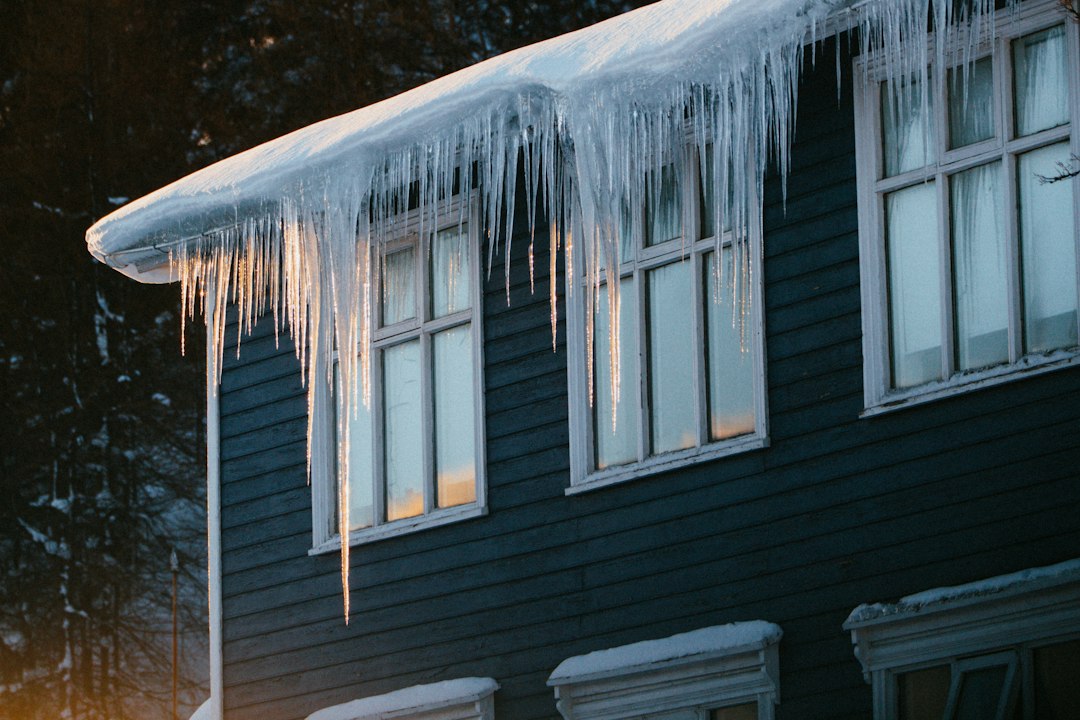
    An ice dam forms when heat escaping from the house warms the roof deck, snow melts higher up, and the water refreezes at the colder eaves. The ridge of ice traps more meltwater behind it, which can back up under shingles and drip into the attic, walls or ceilings. Long icicles along the edge of the roof are often a visible clue.

    The main causes are usually inside the house rather than outside: insufficient attic insulation, air leaks from the living space into the attic, poor ventilation, or heat sources such as recessed lights and uninsulated ducts. That matters for insurance, because an insurer may view repeated ice dams as a maintenance or construction issue rather than a sudden event.

    Is ice dam damage covered?

    There is no single answer for Quebec, because coverage depends on the exact wording of your policy. In general terms:

    • Some policies, particularly broad or “all risks” forms, may cover sudden and accidental water damage from ice dams to the interior of the home, subject to your deductible and exclusions.
    • Many policies distinguish between water that enters through the roof and water that escapes from plumbing, and may treat them differently.
    • Damage to the roof covering itself caused by gradual ice build-up may be treated as wear and tear or lack of maintenance.
    • Repeated, known ice dam problems that were never corrected can weaken your position on a claim.

    Water damage is the single biggest source of confusion for homeowners. Our detailed guide on water damage, sewer backup and flood insurance in the Laurentides explains how these water categories and endorsements usually work.

    Key tip: Ask your broker or insurer a precise question: “If an ice dam causes water to enter through my roof and damage my ceilings, is that covered under my policy, and what deductible applies?” Ask for the answer in writing, by email, so you have it on file.

    Preventing ice dams

    • Have the attic insulation and ventilation evaluated, ideally during a calm season.
    • Seal air leaks between the living space and the attic (light fixtures, attic hatches, plumbing stacks).
    • Keep gutters and downspouts clear before winter.
    • Remove snow from the lower part of the roof safely, using a roof rake from the ground or a professional service.
    • Do not chip ice with axes or hammers; you can damage the covering and void manufacturer warranties.

    Snow load and roof collapse

    Heavy snow is part of life in the Laurentides, but snow becomes dangerous when it accumulates, gets wet, or is topped by rain that soaks in and adds weight. Drifts on the lee side of a roof, snow sliding from a higher roof onto a lower one, and ice build-up can all concentrate load in specific areas. Flat roofs, low-slope additions, carports, garages, sheds and older outbuildings are particularly exposed.

    Warning signs of excessive snow load

    Quebec’s building authority, the Régie du bâtiment du Québec (RBQ), regularly reminds owners to watch for warning signs that a roof is carrying too much snow, including:

    • Cracks appearing in interior walls.
    • Interior doors that stick or rub against their frames.
    • Unusual creaking or cracking sounds.
    • Ceilings that sag or warp.

    If you notice these signs, the RBQ’s advice is to have the roof cleared, even if the amount of snow does not look dramatic, and to use specialized companies with the right equipment so the waterproof membrane is not damaged. The Quebec government also publishes seasonal reminders on Québec.ca about safe snow and ice removal from roofs.

    Is snow load collapse covered?

    Many Quebec home policies cover the collapse of a building caused by the weight of snow, ice or water as a sudden and accidental event, subject to the wording of the policy, your deductible and any exclusions. However, the details matter:

    • Outbuildings: Detached garages, sheds and carports are often covered under a separate section with lower limits. Temporary shelters (such as fabric car shelters) may be limited or excluded.
    • Neglect: If an insurer can show that a structure had obvious defects, rot or prior damage that was ignored, it may argue that the loss stems from deterioration rather than a sudden event.
    • Vacant or seasonal homes: Chalets left unoccupied for long periods may carry conditions about inspections and winter maintenance. See our guide to chalet and cottage insurance in the Laurentides for the typical requirements.
    • Contents and living expenses: Damaged furniture and the cost of living elsewhere during repairs fall under other parts of the policy, each with their own limits.

    Advertisement

    What is generally covered and what is not

    Every policy is different, but the following table summarizes how insurers typically approach winter roof situations. Use it as a starting point for a conversation with your broker, not as a guarantee.

    Situation Often covered? Common conditions or exclusions
    Roof collapses under sudden heavy snow load Often, as sudden and accidental damage Deductible; exclusions for pre-existing defects or neglect
    Wind tears off shingles during a storm Often Older roofs may be settled at depreciated value
    Tree falls on roof during a storm Often Removal costs may have limits; dead trees you ignored may complicate the claim
    Interior water damage from an ice dam Depends on policy wording May require a specific form or endorsement; deductibles may differ
    Roof covering worn out after many years Generally not Wear and tear and lack of maintenance are standard exclusions
    Slow leak that caused rot or mould over months Generally not Gradual damage and repeated seepage are commonly excluded
    Damage caused during snow removal by you or a contractor Varies May be the contractor’s liability; check their insurance

    Wear and tear vs sudden damage: the distinction that decides claims

    Home insurance is designed to cover unexpected events, not the normal ageing of a building. A roof that reaches the end of its life and starts to leak is, from an insurer’s point of view, a maintenance expense. A roof that is damaged by a storm, a falling tree or a sudden collapse is an insurable event.

    In practice, many winter claims involve both. A storm may tear off shingles that were already curling and brittle. An adjuster will look at the age and condition of the roof, the weather on the date of loss, and any signs of previous leaks such as old water stains or rotted decking. This is where your records become important: dated photos, inspection reports and invoices can show that the roof was in reasonable condition before the event.

    Your legal duties under Quebec law

    The Civil Code of Québec places specific obligations on policyholders:

    • Duty to declare the risk: When you apply, you must disclose the facts you know that are likely to materially influence the insurer’s decision to accept the risk or set the premium. Answering roof questions accurately is part of that duty.
    • Aggravation of risk: During the policy, you must promptly notify your insurer of changes within your control that increase the risk in a material way. Major renovations or a change in how the home is used are typical examples. If you are unsure whether something counts, ask.
    • Notice of loss: You must notify the insurer of a loss as soon as you become aware of it.

    Misrepresentation or failure to declare can lead to a reduced indemnity or, in cases of fraud or serious omissions, to the policy being cancelled. The safest approach is simple: answer every question honestly, and if you are not sure, say so.

    Maintenance documentation: build your roof file

    A simple roof file can save a lot of trouble at renewal time and during a claim. Keep it in a folder or a cloud drive, and add to it every year.

    1. Proof of installation: The roofer’s invoice showing date, material and scope of work. Include the municipal permit if one was issued.
    2. Warranty documents: Manufacturer and contractor warranties, with any maintenance conditions they impose.
    3. Inspection reports: Pre-purchase inspection report and any later roof inspections.
    4. Seasonal photos: Dated photos of the roof each fall and spring, plus photos of the attic if you can access it safely.
    5. Snow removal records: Contracts or receipts from snow removal services, with dates.
    6. Repairs: Invoices for any repairs, flashing work, venting changes or insulation upgrades.
    7. Correspondence: Emails with your insurer or broker about the roof.

    When you buy a property, start this file on day one. Our home insurance checklist for buying a property in the Laurentides lists the roof information insurers usually ask for before closing.

    When to call a roofer

    Do not wait for a leak to find a roofing professional. Ideally, have a contractor you trust before winter arrives, because demand spikes after major storms. Consider calling a roofer when:

    • Your insurer or lender asks for a roof inspection or proof of condition.
    • You see missing, curled, cracked or granule-shedding shingles.
    • Flashing around chimneys, skylights or vents looks loose or rusted.
    • You notice stains on ceilings, damp insulation or frost build-up in the attic.
    • Ice dams form every winter in the same places.
    • The roof is approaching the end of its expected life and you want to plan replacement before an insurer imposes conditions.
    • Heavy snow or ice has accumulated and you see any of the RBQ warning signs listed above.

    To compare local contractors serving Saint-Jérôme, Saint-Sauveur, Sainte-Agathe-des-Monts, Mont-Tremblant and the rest of the region, browse our partner directory of Laurentides roofing contractors. Ask any contractor for a written quote, proof of their RBQ licence, and proof of their own liability insurance before work begins.

    Key tip: Before you sign a roof replacement contract, call your insurer or broker. Some insurers adjust the premium or remove conditions once a new roof is installed, and they will want the invoice. A new roof can also be a good moment to review your whole policy.

    Safe snow removal: protect yourself and your coverage

    Roof snow removal is dangerous. Falls from roofs and ladders cause serious injuries every winter in Quebec. For most homeowners, the safest options are a roof rake used from the ground for the lower edge, or a professional service with proper fall protection.

    If you hire a service:

    • Ask whether the company carries liability insurance and request proof.
    • Agree in writing on what is included (main roof, garage, balconies, ice removal at the eaves).
    • Ask that tools be used in a way that does not damage shingles, membranes or flashing.
    • Keep the receipt with the date, and take before-and-after photos.

    If a contractor damages your roof while removing snow, the first step is usually to notify the contractor and their insurer. Let your own insurer know as well, because a leak can develop later.

    Chalets, rentals and secondary homes

    Secondary homes in the Laurentides face extra winter risk because nobody may be on site when snow piles up or an ice dam starts leaking. Insurers often add conditions for seasonal or unoccupied properties, such as regular visits during winter, minimum heating, or water shut-off when the property is empty. If you rent your chalet to guests, the insurer will also want to know, because rental use changes the risk. Our guide to short-term rental chalet insurance in Quebec explains why you must declare it.

    A practical solution is to arrange a winter maintenance contract with a local roofer or caretaker who can check the roof after major storms. Many owners combine this with a seasonal inspection from one of the roofing specialists listed on toiture.thelaurentides.com. If you are still looking for a property, the regional portal chalets.thelaurentides.com can help you compare chalet options.

    If winter damage happens: what to do first

    1. Make sure everyone is safe. If the ceiling is sagging or you hear cracking, leave the area and call emergency services if needed.
    2. Prevent further damage. Move belongings, place buckets, shut off electricity to wet areas if safe, and arrange emergency tarping or snow removal.
    3. Document everything. Take photos and videos before cleanup, and keep receipts for emergency work.
    4. Notify your insurer promptly. Call the claims line as soon as you are aware of the loss.
    5. Do not throw away damaged materials until the adjuster has seen them or approved disposal.

    Our step-by-step guide on how to file a home insurance claim in Quebec covers the full process, including adjusters, additional living expenses and what to do if you disagree with the insurer’s decision.

    Advertisement

    Frequently asked questions

    Will my insurer refuse to cover my home because the roof is old?

    Some insurers may, but practices vary. Others may offer coverage with conditions, such as a higher deductible, depreciated settlement of roof claims, or a requirement to replace the roof within a given period. Shopping with a broker or comparing several insurers can help if one declines.

    Is roof snow removal mandatory for my insurance?

    Policies rarely state a specific snow depth, but you are generally expected to maintain your property reasonably. If a collapse happens on a structure you knew was overloaded and did nothing about, the insurer may question the claim. For chalets and vacant homes, written conditions about winter visits are common, so read your policy.

    Does home insurance pay for a new roof when mine wears out?

    No. Normal wear and tear and end-of-life replacement are maintenance costs. Insurance generally responds only to sudden, accidental damage, such as storm damage or a collapse.

    Are icicles and ice dams my responsibility?

    Yes, as the owner you are responsible for maintaining your property. Falling ice can also injure passersby or damage vehicles, which may become a liability issue. Removing dangerous icicles safely, or hiring someone to do it, protects others and your coverage.

    Should I tell my insurer when I replace my roof?

    Yes. A new roof is generally good news for the insurer and may improve your terms. Send the invoice showing the date and material, and ask whether your premium or conditions change.

    My garage roof collapsed but the house is fine. Is that covered?

    Detached buildings are usually covered under a separate section of the policy, often with a limit expressed as a percentage of the dwelling amount or a fixed amount. Check that section, and notify your insurer promptly with photos.

    Want a second opinion on your coverage? Contact us and we will point you in the right direction.

    This article is for general information only and is not insurance advice. Always confirm details with a licensed broker or your insurer.
  • Water Damage, Sewer Backup and Flood Insurance in the Laurentides

    Water Damage, Sewer Backup and Flood Insurance in the Laurentides

    Water is one of the most common and costly causes of home insurance claims, and in the Laurentides it comes from every direction: burst pipes in January, ice dams on the roof, sewer backup during a summer downpour, and rising lakes and rivers during spring thaw. The problem is that a standard home policy only covers some of these. This guide explains exactly which water damage is usually covered, which requires an endorsement, how Québec’s flood zones affect your options, and how to protect your home and your claim.

    Key takeaways

    • Sudden and accidental water damage (a burst pipe, a failed water heater) is usually covered; gradual leaks and lack of maintenance usually are not.
    • Sewer backup is generally an optional endorsement. Without it, water coming up through floor drains may not be covered.
    • Overland water (flooding from lakes, rivers or surface runoff) is also usually optional, and may be unavailable in high-risk flood zones.
    • Québec’s new flood-zone maps, rolled out to municipalities since March 2026, may affect what coverage you can get.
    • Prevention devices such as leak sensors, automatic shut-off valves, backwater valves and sump pumps lower your risk and may be required or rewarded by insurers.
    • Act fast after a loss: stop the water, document everything and call your insurer.

    Advertisement

    The four types of water damage insurers distinguish

    Insurers do not treat “water damage” as one thing. The cause and the way water entered the house decide whether you are covered. Policy wording varies, but the categories below are common in Québec.

    Type Examples Typical treatment
    Sudden and accidental water damage from inside Burst pipe, broken washing machine hose, failed water heater, overflowing toilet Often covered under standard policies, subject to exclusions and conditions (for example freezing conditions when the home is unoccupied).
    Sewer backup Water or sewage coming back up through floor drains, toilets or sinks from the municipal sewer or your septic system Usually an optional endorsement, often with its own limit and deductible.
    Overland water / flood Lake or river overflow, spring thaw flooding, heavy rain runoff entering through doors and windows Usually an optional endorsement; may be limited or unavailable in high-risk areas.
    Groundwater and seepage Water infiltrating through foundation walls or slab, rising water table Often excluded; some insurers offer specific coverage, sometimes combined with overland water.

    Other water-related situations, like rain entering through a damaged roof, ice dams, or a leak from a neighbouring unit, each have their own treatment. Read your policy’s definitions carefully, and ask your insurer or broker to walk you through each category for your home.

    Sudden vs. gradual water damage

    The difference between “sudden” and “gradual” is at the heart of many disputes. A pipe that bursts and floods the basement overnight is sudden. A slow drip under the sink that rots the subfloor over months is gradual, and policies commonly exclude damage resulting from continuous or repeated leakage, wear and tear, or lack of maintenance.

    • Inspect visible plumbing, the water heater, and appliance hoses regularly.
    • Replace rubber washing machine hoses with braided steel ones and change them periodically.
    • Replace your water heater before the end of its expected life; keep the invoice.
    • Repair small leaks immediately and keep receipts showing you did.
    • Re-seal around tubs and showers when caulking deteriorates.

    Key tip: Keep a simple maintenance file with dates and invoices for plumbing work, water heater replacement, roof repairs and septic pumping. If a claim is questioned as “gradual damage” or “lack of maintenance,” this file is your best evidence.

    Sewer backup coverage

    Sewer backup happens when the municipal sewer or your private system cannot handle the flow, and water pushes back into your home through floor drains, toilets or basement fixtures. In the suburbs of the Laurentides, intense summer storms can overwhelm municipal systems. In rural areas, a saturated or failing septic system can cause backups too.

    What to ask

    • Is sewer backup included, or do I need to add it?
    • What is the limit? Is it enough for a finished basement?
    • Is there a separate deductible?
    • Does coverage apply to backups from a septic system, or only from municipal sewers?
    • Is a backwater valve required to get coverage, or does it earn a discount?

    Many Québec municipalities require backwater valves (clapets anti-retour) in buildings connected to the municipal sewer, and failing to have one, or failing to maintain it, can affect both your claim and any claim against the municipality. Check your municipal bylaw.

    Overland water and flood coverage

    Overland water is water that enters your home from the surface: a lake or river overflowing its banks, spring melt combined with heavy rain, or runoff that flows into the house. Historically, this was not insurable for homes in Canada. Today, many insurers offer it as an endorsement, and the Insurance Bureau of Canada has reported that the large majority of Canadian homes can now access overland flood insurance. However, availability and price depend on the property’s risk, and coverage may be limited or not offered for homes in known high-risk flood areas.

    For general guidance on flooding and insurance, visit the Insurance Bureau of Canada.

    Flood zones in Québec and the 2026 maps

    In June 2025, Québec adopted a modernized regulatory framework for flood zones. It classifies flood-prone areas by level of risk (from low to very high), taking into account flood frequency and water depth, and sets rules on what can be built, rebuilt or renovated in each zone. New flood maps have been gradually rolled out to municipalities and regional county municipalities (MRCs) since March 2026, with wider public release to follow. Media reports based on government estimates expect the number of homes in mapped flood zones to rise substantially.

    For homeowners, the maps matter in two ways:

    • Land use: in the highest-risk zones, there are restrictions on new construction and rebuilding after major damage.
    • Insurance: industry commentary suggests insurers may restrict overland water, sewer backup and related coverage in higher-risk zones, or require protective measures such as backwater valves, sump pumps or raised mechanical equipment.

    The Laurentides has many rivers and lakes that react to spring thaw, including the Rivière du Nord, the Rivière Rouge and the Rivière du Lièvre watersheds. If your property is near water, ask your municipality or MRC about its flood-zone status and consult the Québec government’s flood information. Then ask your insurer, in writing, what water coverage is available for your address.

    Government assistance is not insurance

    Québec has financial assistance programs for disasters, but they have conditions and limits and are generally aimed at losses that could not be insured. Do not count on government aid to replace insurance that was available to you.

    Advertisement

    Spring thaw and the Laurentides

    Spring is the high-risk season. Deep snowpack melting quickly, combined with rain and frozen ground that cannot absorb water, can raise water levels and send runoff toward foundations. To prepare:

    1. Clear snow away from foundation walls and basement windows before the thaw.
    2. Make sure downspouts discharge well away from the house (at least a couple of metres) and are not blocked by ice.
    3. Check that the ground slopes away from the foundation.
    4. Test the sump pump and its battery backup or generator.
    5. Move valuables and documents off the basement floor.
    6. Follow municipal and Québec government alerts if you live near a river or lake.

    Ice dams

    Ice dams form when heat escaping through the roof melts snow, which then refreezes at the colder eaves. Water backs up under the shingles and leaks into ceilings and walls. Coverage for ice dam damage depends on the policy and on whether the insurer considers it sudden damage or the result of poor maintenance or insulation. Prevention is your best protection:

    • improve attic insulation and ventilation to keep the roof cold;
    • seal air leaks from the house into the attic;
    • remove snow from the roof safely, ideally with a roof rake from the ground or by a professional;
    • never chip ice with an axe or hammer, which damages shingles.

    Learn more in our guide to roof snow load and winter insurance, and find local contractors at toiture.thelaurentides.com.

    Wells and septic systems

    Most homes and chalets outside urban centres in the Laurentides rely on private wells and septic systems. They bring specific water risks:

    • Well pump and pressure tank failure: a failed pressure switch or tank can flood a basement. The water damage may be covered as sudden damage, but the pump itself may only be covered with an equipment breakdown endorsement.
    • Freezing: pipes from the well and the pressure tank area must be protected from freezing.
    • Septic backups: a full or failing septic tank or field can back up into the house. Ask whether your sewer backup endorsement covers septic systems.
    • Maintenance: regular septic pumping is required by Québec regulations and municipal bylaws, and keeping receipts helps demonstrate proper maintenance.

    Frozen pipes in houses and chalets

    Freezing damage is usually covered if it is sudden and accidental, but conditions often apply when the home is unoccupied, such as keeping the heat on and having someone check the property, or shutting off and draining the water. Secondary homes are especially exposed; see chalet and cottage insurance in the Laurentides for winter conditions, and short-term rental chalet insurance if you rent your property.

    Prevention devices that make a difference

    Device What it does Insurance angle
    Water leak sensors Detect water on the floor and alert you by sound or smartphone. May qualify for a discount; useful evidence that you acted quickly.
    Automatic water shut-off valve Closes the main water supply when a leak is detected or abnormal flow is measured. Increasingly recognized by insurers; particularly valuable in chalets and rentals.
    Backwater valve Prevents sewer water from flowing back into the house. Often required by municipal bylaws; may be required for sewer backup coverage.
    Sump pump with backup power Removes water collected around the foundation, even during outages. May be required or rewarded where groundwater or overland risk exists.
    Temperature and power-outage alarm Alerts you if the heat fails or power goes out. Helps meet unoccupancy conditions and prevent freezing.
    Raised furnace, water heater and electrical panel Keeps critical equipment above potential flood levels. May be requested by insurers in flood-prone areas.

    Before buying devices, ask your insurer which ones it recognizes and whether installation by a licensed professional is required. Keep invoices and photos.

    How water damage claims work

    1. Stop the water and stay safe. Shut off the main water valve. If water is near electrical outlets or the panel, do not enter; call Hydro-Québec or an electrician if needed.
    2. Call your insurer as soon as possible. The Civil Code of Québec requires you to notify your insurer of a loss as soon as you become aware of it. Many insurers have 24/7 claims lines and can send emergency mitigation crews.
    3. Prevent further damage. Take reasonable steps: remove water, run fans and dehumidifiers, move contents. Keep receipts for emergency expenses.
    4. Document everything. Photograph and video the damage, the source of the water, water levels, and damaged items before removing them.
    5. Keep damaged items until the adjuster tells you they can be discarded, unless they pose a health hazard (photograph them first).
    6. Meet the adjuster and provide your maintenance records, inventory and receipts.
    7. Review the settlement. Ask how amounts were calculated and which coverage and deductible applied. If you disagree, ask for explanations, use the insurer’s complaint process, and know that you can contact the AMF.

    For a complete walkthrough, read how to file a home insurance claim in Québec.

    Choosing water coverage: a quick checklist

    • Is sudden water damage covered, and with what exclusions?
    • Do I have sewer backup coverage? Limit? Deductible? Septic included?
    • Is overland water available for my address? Limit? Deductible?
    • Is groundwater infiltration covered?
    • How are ice dams treated?
    • What are the unoccupancy and freezing conditions?
    • Which prevention devices are required or give a discount?
    • Is my well pump or sump pump covered if it breaks?

    Use this checklist alongside our complete guide to shopping for home insurance in the Laurentides. If you are buying a property near water, also see our home insurance checklist for buyers.

    Advertisement

    Frequently asked questions

    Is sewer backup covered by standard home insurance in Québec?

    Usually not automatically. Sewer backup is generally an optional endorsement with its own limit and sometimes a separate deductible. Check your policy or ask your insurer.

    What is the difference between sewer backup and overland water?

    Sewer backup is water coming into your home through drains and sewer pipes. Overland water is water entering from the surface, such as an overflowing lake or river or runoff from heavy rain. They are separate coverages.

    Can I get flood insurance if my home is in a flood zone?

    It depends on the insurer and the level of risk. Coverage may be available with restrictions, higher deductibles or required protective measures, or it may not be offered in very high-risk areas. Ask several insurers or a broker.

    Are leaks from an old pipe covered?

    Sudden bursts are often covered, but damage from slow, continuous leaks, wear and tear, or lack of maintenance is commonly excluded. Regular maintenance and quick repairs protect both your home and your claim.

    Do I have to install a backwater valve?

    Many Québec municipalities require backwater valves in buildings connected to the sewer system, and some insurers require one for sewer backup coverage. Check your municipal bylaw and your policy.

    How will Québec’s new flood maps affect my insurance?

    If your property is newly classified in a higher-risk zone, insurers may change the water coverage they offer or require protective measures. Check your property’s status with your municipality or MRC and discuss it with your insurer at renewal.

    Want a second opinion on your coverage? Contact us and we will point you in the right direction.

    This article is for general information only and is not insurance advice. Coverage, conditions and eligibility vary by insurer and policy; confirm with a licensed broker or your insurer.
  • Chalet and Cottage Insurance in the Laurentides: What Owners Must Know

    Chalet and Cottage Insurance in the Laurentides: What Owners Must Know

    Insuring a chalet in the Laurentides is not just a matter of adding a second address to your home policy. Seasonal occupancy, long winter absences, wood stoves, lakefront exposure and remote access for firefighters all change how insurers see the risk, and the conditions buried in a chalet policy can decide whether a claim is paid. Here is what every chalet and cottage owner, from Saint-Sauveur to Nominingue, needs to know before buying or renewing coverage.

    Key takeaways

    • Tell your insurer how the chalet is really used: seasonal, year-round, rented, or lent to family and friends.
    • Vacancy and unoccupancy clauses can limit coverage when nobody is at the chalet for an extended period. Know the exact rules in your policy.
    • Winter conditions matter: many policies require that heat be maintained and checked, or that water be shut off and pipes drained, to cover freezing damage.
    • Wood stoves, distance from a fire hall and no hydrant are major pricing and eligibility factors.
    • Docks, boats, outbuildings and contents may need separate limits or policies.
    • Renting it out, even occasionally, usually requires disclosure and specific coverage.

    Advertisement

    Seasonal vs. year-round chalets

    Insurers generally classify a secondary property by how it is occupied. The terminology varies from one company to another, but the logic is the same:

    • Year-round secondary home: built and equipped for winter (insulated, permanent heating, protected plumbing) and used regularly in all seasons.
    • Seasonal cottage: used mainly in summer or for part of the year, sometimes closed for winter.
    • Principal residence: if you have moved to your chalet full time, which is increasingly common in the Laurentides with remote work, it should be insured as your main home.

    The classification affects price, the perils covered and the conditions you must respect. A seasonal cottage policy may offer narrower coverage (named perils rather than all risks) and stricter rules about winter absences. If your use has changed, for instance you now ski every weekend from December to March or you have started working from the chalet, tell your insurer. Under the Civil Code of Québec, you must declare facts that influence the risk when you apply, and promptly report changes that increase it during the policy.

    Vacancy and unoccupancy clauses

    This is where many chalet claims run into trouble. Policies commonly distinguish between:

    • Unoccupied: furnished and ready to use, but nobody is staying there for a period.
    • Vacant: empty of furniture and occupants, such as after a sale, during major renovations, or while settling an estate.

    Depending on the policy, coverage for certain perils (frequently water damage, freezing, vandalism and glass breakage) can be restricted or suspended after a set number of consecutive days without occupancy, unless specific conditions are met. The number of days and the conditions differ from one insurer to another, so read the clause in your own policy and ask your broker or insurer to explain it in plain language.

    Key tip: Write down the exact unoccupancy rule from your policy (number of days, required checks, heating and water requirements) and stick it to the inside of a kitchen cabinet at the chalet. Everyone who uses the chalet should know it.

    Winter rules: heating, inspections and water shut-off

    Frozen and burst pipes are a classic Laurentides chalet claim. A pipe can freeze during a power outage while you are in Montreal, then thaw and leak for days before anyone notices. Insurers therefore often attach conditions to freezing coverage for secondary homes, such as:

    • keeping the building heated to a reasonable temperature, and
    • having a competent person check the property at regular intervals when it is unoccupied, or
    • shutting off the main water supply and draining the plumbing, water heater and appliances.

    Ask exactly which option your policy requires, and keep a log of visits (date, who, what was checked). If a neighbour or caretaker checks for you, make sure they actually go inside.

    Practical winter checklist

    1. Install a temperature and power-outage alarm that sends alerts to your phone.
    2. Install water leak sensors near the water heater, washing machine, under sinks and near the pressure tank.
    3. Consider an automatic water shut-off valve that closes the main supply when a leak is detected.
    4. If you shut off water, drain lines and use plumbing antifreeze in traps where appropriate, following a plumber’s advice.
    5. Protect the well pump and pressure tank from freezing.
    6. Keep the roof and access clear: a heavy snow load on an unvisited chalet is a real risk. See our article on roof snow load and winter insurance.
    7. Arrange snow removal of the driveway so that a caretaker or emergency services can reach the building.

    For more on water risks, including spring thaw and septic systems, read our guide to water damage, sewer backup and flood insurance.

    Wood stoves and fireplaces at the chalet

    Wood heat is part of the chalet experience, and one of the first things an insurer will ask about. Expect questions on:

    • the type of appliance (stove, insert, masonry fireplace, outdoor furnace) and whether it is certified;
    • who installed it and whether you have proof of a compliant installation;
    • clearances to combustibles and the condition of the chimney;
    • how often the chimney is swept and inspected;
    • whether it is the main heat source or occasional use;
    • how ashes are stored.

    Some insurers may decline or surcharge a non-certified appliance or require an inspection. Keep installation documents and sweep receipts in a folder. Our dedicated wood stove and fireplace insurance guide goes into the details.

    Remote access and fire protection

    A chalet at the end of a private road, on an island, or accessible only by a seasonal road presents a different fire risk than a house on a village street. Insurers consider:

    • distance (in road kilometres) to the nearest fire station;
    • whether a hydrant or recognized water source is nearby;
    • whether the road is maintained in winter and usable by fire trucks;
    • whether the property is accessible only by water (boat-access cottages).

    Some remote properties are only eligible for limited coverage, or only through certain insurers. This is a situation where a broker who works with several insurers can be useful. Learn how the channels differ in broker vs. agent vs. direct insurance in Québec.

    What you can do

    • Keep the access road and driveway clear and wide enough for emergency vehicles.
    • Make sure your civic number is clearly visible from the road, day and night.
    • Install a monitored fire alarm so a fire is detected even when nobody is there.
    • Clear brush and stored firewood away from the building.

    Advertisement

    Lakefront chalets: specific issues

    Spring flooding and overland water

    Many Laurentides lakes and rivers rise in spring. Overland water (flood) coverage is usually an optional endorsement, and it may be unavailable or limited for properties in higher-risk flood zones. Québec has also introduced a new flood-zone regulatory framework, with updated maps being rolled out to municipalities and MRCs since March 2026. Ask your municipality about your property’s status and ask your insurer, in writing, what water coverage you have.

    Shoreline erosion and ice

    Gradual erosion and damage caused by ice movement on a lake are often excluded or limited. Read the exclusions and ask specific questions if your dock, boathouse or retaining wall is exposed.

    Liability around water

    Swimming, diving from a dock, guests using kayaks or a paddleboard: waterfront properties carry extra liability exposure. Review your civil liability limit, especially if you host many guests or rent the chalet.

    Docks, boats and outbuildings

    Item How it is often handled What to check
    Dock (fixed or floating) Sometimes included as a detached structure; sometimes excluded or limited, especially for ice damage. Is the dock covered? For which perils? Is ice or wave damage excluded?
    Boathouse Usually a detached structure, subject to the outbuildings limit. Is the outbuildings limit enough for all structures combined?
    Small boats, canoes, kayaks Small unpowered boats may have limited coverage under contents. Sub-limit amount, theft coverage away from the chalet.
    Motorboats, personal watercraft Usually need a separate boat policy or endorsement, with liability coverage. Liability limit, coverage during transport and storage, use by others.
    Garage, shed, sauna, bunkie Detached structures; a sauna or bunkie with a wood stove may raise questions. Declare any heated or sleeping outbuilding.
    Snowmobiles, ATVs Need their own policy. In Québec, snowmobile owners must carry civil liability insurance (a $1,000,000 minimum is cited under the off-highway vehicles legislation). Confirm current requirements and storage/theft coverage.

    Theft and vandalism

    An empty chalet in the off-season can attract thieves, particularly for tools, electronics, outboard motors, generators and recreational vehicles. To protect yourself:

    • check whether theft is covered while the chalet is unoccupied, and under what conditions;
    • keep an inventory with photos and serial numbers, stored off-site or in the cloud;
    • install a monitored alarm and exterior lighting; cameras can help with evidence;
    • lock outbuildings and secure trailers, boats and sleds;
    • don’t leave high-value items at the chalet over winter if you can avoid it.

    Renting your chalet

    Many owners rent their chalet for part of the year to cover costs. Renting changes the risk significantly: strangers who do not know the wood stove, more wear, more liability exposure. A standard secondary-home policy may exclude or limit losses that happen during commercial rental use. In Québec, offering accommodation to tourists for 31 days or less also requires registration, and the registration process asks for proof of civil liability insurance of at least $2 million per claim.

    Read our complete guide on insuring a short-term rental chalet in Québec before your first booking. If you are on the other side, looking for a place to stay, browse chalet rentals in the Laurentides.

    Lending the chalet to family and friends

    Occasional use by family or friends without payment is usually treated differently from rental, but you should still check: are guests covered for their own belongings (generally not under your policy)? Is your liability coverage adequate? Do guests know the winter shut-down routine and how to use the wood stove safely? A short written guide for guests is an easy way to prevent claims.

    Buying a chalet: insurance before you sign

    Some chalets are harder to insure than buyers expect, because of an old wood stove, outdated wiring, an aging roof, a flood zone, or a remote location. Get quotes before removing the conditions of your offer and ask the seller for documentation on the roof, heating and electrical. Our home insurance checklist for buying a property in the Laurentides lists what to ask.

    How to compare chalet insurance quotes

    1. Describe the use precisely (weekends, seasonal, rented, lent).
    2. Provide details on heating, wood appliances, plumbing, electrical, roof, well and septic.
    3. Give the road distance to the fire station and say whether there is a hydrant.
    4. List docks, outbuildings, boats and recreational vehicles.
    5. Ask for the exact unoccupancy and winter conditions in writing.
    6. Compare limits, deductibles, water endorsements and exclusions, not only price. Our main home insurance shopping guide includes a comparison checklist you can reuse.

    Advertisement

    Frequently asked questions

    Can I add my chalet to my home insurance policy?

    Some insurers allow a secondary residence to be added to your main home policy or insured separately with the same company, which can simplify things and sometimes earn a discount. The chalet will still be assessed on its own risk factors and use.

    What happens if a pipe bursts while nobody is at the chalet?

    It depends on your policy’s conditions. Many policies cover freezing damage only if heat was maintained and the property was checked regularly, or if the water was shut off and lines drained. If those conditions were not met, the claim may be refused.

    Is my dock covered?

    Sometimes, as a detached structure, but damage from ice and waves is often excluded or limited. Ask your insurer specifically about your dock and get the answer in writing.

    Do I need special insurance if I rent my chalet on Airbnb?

    Usually yes. Commercial rental use can be excluded from a standard policy. You will likely need a rental endorsement or a commercial policy, and Québec registration requires proof of at least $2 million in civil liability coverage.

    Why is it hard to insure my remote chalet?

    Distance from a fire station, lack of a hydrant, winter road access, wood heating and higher rebuilding costs can all limit eligibility. A broker who works with several insurers may find options that one company alone cannot offer.

    Is my chalet covered during a long power outage?

    Damage caused by the outage itself, such as frozen pipes, is subject to your policy’s freezing conditions. Food spoilage coverage may be limited. A remote temperature alarm helps you react quickly.

    Want a second opinion on your coverage? Contact us and we will point you in the right direction.

    This article is for general information only and is not insurance advice. Coverage, conditions and eligibility vary by insurer and policy; confirm with a licensed broker or your insurer.

  • How to Shop for Home Insurance in the Laurentides: The Complete 2026 Guide

    How to Shop for Home Insurance in the Laurentides: The Complete 2026 Guide

    Shopping for home insurance in the Laurentides is not the same as shopping in Montreal. A house in Mont-Laurier on a well and septic system, heated with wood and 15 minutes from the nearest fire hall, is a very different risk from a Blainville townhouse on municipal water, and insurers price them very differently. This guide explains what coverage you actually need, what drives premiums in the region, and a step-by-step method to compare quotes so that you end up with the right protection at a fair price.

    Key takeaways

    • Compare coverage, not just price. Two quotes with the same premium can have very different exclusions, limits and deductibles.
    • Local factors matter a lot: distance to a fire hall and hydrant, wood heating, well and septic systems, roof age, and the age of plumbing and electrical wiring.
    • Water damage is the big one. Sewer backup and overland water are usually optional endorsements, not standard coverage.
    • Declare everything. Under the Civil Code of Québec you must disclose facts that could influence the insurer; failing to do so can reduce or void a claim.
    • Use a licensed representative. Brokers, agents and direct insurers in Québec are all supervised by the Autorité des marchés financiers (AMF). Check the register before you buy.
    • Review every renewal. Renovations, a new wood stove, a home office or a short-term rental can all change what you need.

    Advertisement

    Why home insurance in the Laurentides is different

    The Laurentides stretches from the dense suburbs of the North Shore (Blainville, Sainte-Thérèse, Mirabel, Saint-Jérôme) to the resort towns of the Pays-d’en-Haut (Saint-Sauveur, Sainte-Adèle, Val-David, Sainte-Agathe-des-Monts), Mont-Tremblant, and the more remote Hautes-Laurentides around Mont-Laurier and Nominingue. Insurers see this whole range of risk in one region:

    • Rural fire protection. Many properties are far from a staffed fire station and have no hydrant nearby. Firefighters may have to bring water by tanker truck.
    • Private water and wastewater. Wells, pumps and septic systems bring their own failure risks.
    • Wood heating. Wood stoves, fireplaces and inserts are common and are one of the first things an underwriter asks about.
    • Heavy winters. Snow load on roofs, ice dams, frozen pipes and long power outages all lead to claims.
    • Lakes and rivers. Waterfront living is part of the region’s appeal, but spring thaw and flood zones affect what water coverage you can get.
    • Second homes and rentals. Many properties are chalets or short-term rentals, which standard home policies may not fully cover.

    If you are new to the region, our regional guide to the Laurentides is a good starting point to understand the towns and their services.

    The types of home insurance coverage explained

    A Québec home insurance policy (often called a homeowner’s or multi-risk policy) usually combines several kinds of protection. Knowing the parts helps you compare quotes line by line.

    1. Building (dwelling)

    Covers the structure of your house: walls, roof, floors, built-in fixtures, and often attached structures. The key question is the amount: it should reflect what it would cost to rebuild the house, not its market value or municipal assessment. Rebuilding in a remote area can be more expensive because of travel, material delivery and labour availability.

    2. Detached structures (outbuildings)

    Garages, sheds, workshops, gazebos and sometimes docks. Many policies cover them as a percentage of the building amount. If you have a large detached garage or a guest cabin, check that the limit is high enough.

    3. Contents (personal property)

    Furniture, clothing, electronics, tools, sports equipment. Ask whether contents are insured at replacement cost (new for old) or actual cash value (depreciated). Items like jewellery, bicycles, art, collections and expensive skis often have low sub-limits unless you schedule them separately.

    4. Additional living expenses

    Pays the extra cost of living elsewhere if your home cannot be lived in after a covered loss, such as hotel stays, meals and temporary rent. Check the limit and any time cap.

    5. Civil liability

    Protects you if you are legally responsible for injuries to others or damage to their property, for example a guest slipping on your icy steps or a fire spreading from your property to a neighbour’s. Liability amounts vary; with rural land, docks, pools or guests, many owners ask about higher limits.

    Named perils vs. all risks

    Named perils coverage only pays for causes listed in the policy (fire, theft, windstorm, etc.). All risks (sometimes called comprehensive) covers everything except what is specifically excluded. All-risks is broader, but always read the exclusions.

    Common optional endorsements

    • Sewer backup (water entering through drains and sewer pipes).
    • Overland water / flood (water from lakes, rivers or surface runoff).
    • Groundwater infiltration (water entering through foundations or slabs), where offered.
    • Guaranteed replacement cost on the building, so you can rebuild even if costs exceed the stated amount, under conditions.
    • Equipment breakdown for heat pumps, furnaces, water heaters and well pumps.
    • Home business or home office equipment.
    • Scheduled items for valuables.

    Water endorsements are the most misunderstood part of a policy. We cover them in detail in our guide to water damage, sewer backup and flood insurance in the Laurentides.

    What affects your home insurance premium in the Laurentides

    Premiums vary widely from one property and one insurer to the next, so we will not quote numbers. What we can do is explain the factors underwriters look at, so you know where you have leverage.

    Factor Why it matters What you can do
    Distance to fire hall and hydrant Response time and water supply affect how much of a house can be saved in a fire. Fire protection grading of your municipality also counts. Know the exact distance and whether you are within reach of a hydrant. Ask if a dry hydrant or municipal water reserve nearby is recognized.
    Wood stove, fireplace or insert A leading cause of residential fires. Insurers want certified appliances, proper clearances and professional installation. Keep installation certificates, sweep chimneys regularly and keep proof. See our wood stove and fireplace insurance guide.
    Well and septic system Pump failures, freezing and backups can cause water damage. Some insurers ask about the age and type. Keep maintenance records (septic pumping, pump replacement). Ask whether pump breakdown is covered.
    Roof age and material Older roofs leak more and are more vulnerable to snow load and ice dams. Some insurers limit coverage on aging roofs. Keep invoices for roof replacement. A recent roof by a qualified contractor helps.
    Plumbing age and type Older pipes and certain materials fail more often. Document plumbing updates; install water leak sensors and an automatic shut-off valve.
    Electrical system Older wiring types, fuse panels and undersized services raise fire risk; some insurers will not cover certain older systems. Have an electrician inspect and update; keep the certificate.
    Heating system Primary heat source, backup heat and fuel oil tanks all matter. Replace aging oil tanks; keep heating systems serviced.
    Claims history Past claims (yours and sometimes at the address) influence pricing and eligibility. Avoid small claims that cost little more than your deductible.
    Credit information (with consent) Many insurers use a credit score as a rating factor, but only with your consent. You can refuse; you will still get a quote, though you may miss some discounts.
    Occupancy and use Principal home, seasonal chalet, rental, home business: each changes the risk. Declare the real use. Short-term rental needs specific coverage.
    Flood zone and waterfront Determines eligibility and price of overland water coverage. Check municipal flood maps and ask for written answers on water coverage.
    Deductible and coverage choices Higher deductibles and narrower coverage lower the premium but increase what you pay at claim time. Choose a deductible you could comfortably pay tomorrow.

    A note on credit checks in Québec

    According to the Chambre de l’assurance de dommages (ChAD), an insurer must get your consent before checking your credit score, and you are free to refuse. Insurers following the Insurance Bureau of Canada’s code of conduct on credit information cannot refuse to quote you only because you declined, but you may not qualify for some discounts. It is your choice; ask how the quote changes either way.

    Your duty to declare risks

    The Civil Code of Québec requires the person applying for insurance to declare all facts known to them that are likely to materially influence the insurer’s decision to accept the risk or set the premium (article 2408). During the policy, you must also promptly notify the insurer of changes that increase the risk (article 2466). In practice, that means telling your insurer or broker about things like a new wood stove, major renovations, a home business, renting the property, or leaving it vacant for long periods. Misrepresentation can lead to a reduced payout or, where there is fraud, a voided policy. When in doubt, declare it and get the answer in writing.

    Key tip: Answer the insurer’s questions about heating, plumbing, wiring, roof and use honestly and precisely. Saving a little on premium by leaving something out can cost you the entire claim.

    Advertisement

    Broker, agent or direct insurer?

    In Québec, damage insurance (home and auto) can be bought in three main ways, and all of them are supervised by the Autorité des marchés financiers (AMF):

    • Damage insurance broker: works with several insurers and can compare products for you. Useful for unusual properties (remote chalets, wood heat, rentals) where not every insurer will say yes.
    • Damage insurance agent: represents one insurer and offers that insurer’s products.
    • Direct purchase (online or by phone): you deal with the insurer directly, often through its own licensed representatives.

    None of these is automatically better. What matters is that the person advising you is certified, understands rural Laurentides properties and explains the exclusions. You can confirm a firm or representative is authorized by searching the AMF’s register of firms and representatives. We compare these channels in more depth in broker vs. agent vs. direct insurance in Québec.

    Step-by-step: how to shop for home insurance

    1. Gather your property information. Year built, square footage, number of storeys, foundation type, roof age and material, heating system(s), wood appliances and their certification, plumbing and electrical updates, well/septic details, distance to the fire hall and nearest hydrant, alarm and monitoring systems.
    2. Estimate a realistic rebuild amount. Ask insurers or brokers to use a replacement cost estimator, and discuss local construction costs. Do not use your purchase price or municipal assessment.
    3. Inventory your contents. Walk through each room with your phone and record a video. List high-value items with receipts or photos.
    4. Decide what endorsements you need. At minimum, ask about sewer backup and overland water. Add equipment breakdown, valuables or home business if relevant.
    5. Choose a target deductible. Ask for quotes at two deductible levels to see the real price difference.
    6. Get at least three quotes from different channels (for example, a broker plus one or two direct insurers), using identical information and coverage so you can compare fairly.
    7. Compare line by line using the checklist below, not only the total premium.
    8. Ask the hard questions (listed further down) and get key answers in writing, especially on water damage, vacancy and wood heating.
    9. Read the policy wording once you receive it, particularly exclusions, conditions and definitions.
    10. Set a calendar reminder 45 days before renewal to review the policy.

    Buying a property? Start this process before you remove conditions on your offer: some homes can be hard to insure. Our home insurance checklist for buying a property in the Laurentides walks you through it.

    Home insurance comparison checklist

    Use this table for each quote you receive. If a line is missing from a quote, ask for it.

    Item to compare Quote A Quote B Quote C
    Annual premium (taxes included)
    Building amount and basis (replacement / guaranteed replacement)
    Detached structures limit
    Contents amount and basis (replacement / actual cash value)
    Additional living expenses limit
    Civil liability limit
    Named perils or all risks
    General deductible
    Water damage deductible (if different)
    Sewer backup: included? limit?
    Overland water / flood: included? limit?
    Groundwater infiltration
    Wood stove conditions
    Vacancy / unoccupancy conditions
    Sub-limits (jewellery, bikes, tools, electronics)
    Equipment breakdown
    Discounts applied
    Claims service (24/7 line, preferred contractors)

    Questions to ask before you buy

    • Is my building insured for its full rebuild cost, and how did you estimate it?
    • Do I have guaranteed replacement cost, and what conditions apply?
    • Exactly which water damage is covered: sudden pipe bursts, sewer backup, overland water, groundwater, ice dams?
    • Is there a separate deductible or a sub-limit for water damage?
    • What conditions apply to my wood stove or fireplace (certification, inspection, sweeping)?
    • What happens if I leave the house for several weeks in winter? What must I do with the heat and water?
    • Is my well pump, septic system or heat pump covered if it breaks down?
    • What discounts am I eligible for, and what would remove them?
    • Does my policy cover a home office, or occasional renting of the property?
    • How do I file a claim, and who will come out to a property in my area?

    Red flags when comparing quotes

    • A much lower price with no clear explanation. Often it means lower limits, a narrower perils list or missing endorsements.
    • A building amount that looks too low for the size and quality of the house.
    • Vague answers on water coverage. If the representative cannot clearly say what is and is not covered, keep asking.
    • Pressure to omit information (for example, “don’t mention the wood stove”). That is a serious warning sign.
    • A representative you cannot find in the AMF register.
    • Actual cash value on contents when you assumed replacement cost.
    • Exclusions you did not expect, such as limits on older roofs or electrical systems.

    How to save on home insurance (without losing protection)

    Bundle policies

    Many insurers offer a discount when you insure your home and car together. Compare the bundled total with the best separate quotes; bundling is not always cheaper. See also our auto insurance guide for the Laurentides.

    Choose your deductible wisely

    A higher deductible usually lowers the premium. Only raise it to a level you could comfortably pay if you had a claim tomorrow.

    Install monitored alarms

    Monitored fire and intrusion alarms are often recognized with a discount, particularly valuable for rural homes where a fire might go unnoticed. Keep your monitoring contract on file.

    Add water protection devices

    Water leak sensors, automatic water shut-off valves, backwater valves and sump pumps with battery backup reduce water damage risk. Some insurers offer discounts or make better water coverage available when these are installed.

    Maintain and document

    Keep invoices for a new roof, electrical updates, plumbing replacement and chimney sweeping. A well-maintained, well-documented home is easier to insure. If your roof is near the end of its life, our guide to roof snow load and winter insurance explains what insurers look at, and you can find local roofers at toiture.thelaurentides.com.

    Renewal tips

    In Québec, home insurance often renews automatically. Your insurer must send notice before changes take effect, but it is your job to read it.

    • Read the renewal notice line by line: premium, limits, deductibles, endorsements and any new exclusions.
    • Update the insurer about renovations, new heating appliances, a finished basement, a pool, a home business or a rental.
    • Re-check the building amount. Construction costs change; your amount should follow.
    • Ask why if the premium rose. Sometimes it is market-wide; sometimes a factor can be corrected.
    • Shop every few years, or when your situation changes, even if you are satisfied.
    • Do not let coverage lapse when switching. Make sure the new policy starts the day the old one ends.

    When things go wrong: filing a claim

    Report a loss to your insurer as soon as possible, take reasonable steps to prevent further damage, photograph everything and keep damaged items until the adjuster has seen them. Our step-by-step guide on how to file a home insurance claim in Québec covers the process, deadlines and what to do if you disagree with a settlement.

    Special situations

    Chalets and secondary homes

    Seasonal homes have their own rules on vacancy, heating and water shut-off. Read our dedicated guide to chalet and cottage insurance in the Laurentides.

    Short-term rentals

    Renting your home or chalet on a platform usually requires specific coverage and, in Québec, registration that requires proof of liability insurance. See insuring a short-term rental chalet in Québec.

    Advertisement

    Frequently asked questions

    Is home insurance mandatory in Québec?

    No law requires homeowners to carry home insurance, but mortgage lenders almost always require building insurance as a condition of the loan. Condo owners are typically required by their syndicate’s declaration to carry certain coverage. Even without a mortgage, going uninsured exposes you to the full cost of a fire or a liability lawsuit.

    Why is my rural Laurentides home more expensive to insure than a house in the suburbs?

    Common reasons include greater distance to a fire station, no nearby hydrant, wood heating, private well and septic systems, and higher rebuilding costs in remote areas. Each insurer weighs these differently, which is why comparing several quotes is worthwhile.

    Does home insurance cover flooding from a lake or river?

    Not under a basic policy. Overland water coverage is usually an optional endorsement, and availability depends on your location and flood risk. Properties in high-risk flood zones may not be able to get it.

    Do I have to tell my insurer about my wood stove?

    Yes. A wood stove is a fact likely to influence the insurer, and the Civil Code of Québec requires you to declare such facts. Failing to declare it could reduce or void a fire claim.

    Can I refuse a credit check?

    Yes. Insurers must get your consent before checking your credit score. You will still receive a quote, but you may not qualify for some discounts.

    How often should I compare home insurance?

    Review your policy at every renewal and compare quotes every few years or whenever something significant changes: renovations, a new heating system, a rental, or a claim.

    Want a second opinion on your coverage? Contact us and we will point you in the right direction.

    This article is for general information only and is not insurance advice. Coverage, conditions and eligibility vary by insurer and policy; confirm with a licensed broker or your insurer.