
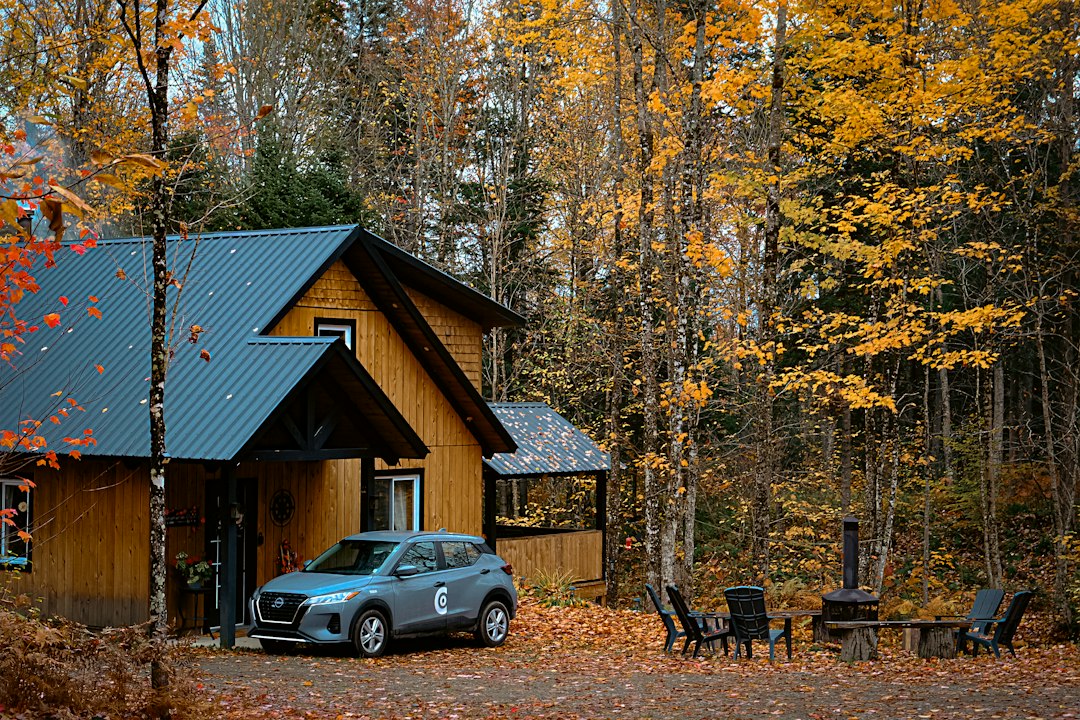
Insuring a chalet in the Laurentides is not just a matter of adding a second address to your home policy. Seasonal occupancy, long winter absences, wood stoves, lakefront exposure and remote access for firefighters all change how insurers see the risk, and the conditions buried in a chalet policy can decide whether a claim is paid. Here is what every chalet and cottage owner, from Saint-Sauveur to Nominingue, needs to know before buying or renewing coverage.
Key takeaways
- Tell your insurer how the chalet is really used: seasonal, year-round, rented, or lent to family and friends.
- Vacancy and unoccupancy clauses can limit coverage when nobody is at the chalet for an extended period. Know the exact rules in your policy.
- Winter conditions matter: many policies require that heat be maintained and checked, or that water be shut off and pipes drained, to cover freezing damage.
- Wood stoves, distance from a fire hall and no hydrant are major pricing and eligibility factors.
- Docks, boats, outbuildings and contents may need separate limits or policies.
- Renting it out, even occasionally, usually requires disclosure and specific coverage.
Advertisement
Seasonal vs. year-round chalets
Insurers generally classify a secondary property by how it is occupied. The terminology varies from one company to another, but the logic is the same:
- Year-round secondary home: built and equipped for winter (insulated, permanent heating, protected plumbing) and used regularly in all seasons.
- Seasonal cottage: used mainly in summer or for part of the year, sometimes closed for winter.
- Principal residence: if you have moved to your chalet full time, which is increasingly common in the Laurentides with remote work, it should be insured as your main home.
The classification affects price, the perils covered and the conditions you must respect. A seasonal cottage policy may offer narrower coverage (named perils rather than all risks) and stricter rules about winter absences. If your use has changed, for instance you now ski every weekend from December to March or you have started working from the chalet, tell your insurer. Under the Civil Code of Québec, you must declare facts that influence the risk when you apply, and promptly report changes that increase it during the policy.
Vacancy and unoccupancy clauses
This is where many chalet claims run into trouble. Policies commonly distinguish between:
- Unoccupied: furnished and ready to use, but nobody is staying there for a period.
- Vacant: empty of furniture and occupants, such as after a sale, during major renovations, or while settling an estate.
Depending on the policy, coverage for certain perils (frequently water damage, freezing, vandalism and glass breakage) can be restricted or suspended after a set number of consecutive days without occupancy, unless specific conditions are met. The number of days and the conditions differ from one insurer to another, so read the clause in your own policy and ask your broker or insurer to explain it in plain language.
Key tip: Write down the exact unoccupancy rule from your policy (number of days, required checks, heating and water requirements) and stick it to the inside of a kitchen cabinet at the chalet. Everyone who uses the chalet should know it.
Winter rules: heating, inspections and water shut-off
Frozen and burst pipes are a classic Laurentides chalet claim. A pipe can freeze during a power outage while you are in Montreal, then thaw and leak for days before anyone notices. Insurers therefore often attach conditions to freezing coverage for secondary homes, such as:
- keeping the building heated to a reasonable temperature, and
- having a competent person check the property at regular intervals when it is unoccupied, or
- shutting off the main water supply and draining the plumbing, water heater and appliances.
Ask exactly which option your policy requires, and keep a log of visits (date, who, what was checked). If a neighbour or caretaker checks for you, make sure they actually go inside.
Practical winter checklist
- Install a temperature and power-outage alarm that sends alerts to your phone.
- Install water leak sensors near the water heater, washing machine, under sinks and near the pressure tank.
- Consider an automatic water shut-off valve that closes the main supply when a leak is detected.
- If you shut off water, drain lines and use plumbing antifreeze in traps where appropriate, following a plumber’s advice.
- Protect the well pump and pressure tank from freezing.
- Keep the roof and access clear: a heavy snow load on an unvisited chalet is a real risk. See our article on roof snow load and winter insurance.
- Arrange snow removal of the driveway so that a caretaker or emergency services can reach the building.
For more on water risks, including spring thaw and septic systems, read our guide to water damage, sewer backup and flood insurance.
Wood stoves and fireplaces at the chalet
Wood heat is part of the chalet experience, and one of the first things an insurer will ask about. Expect questions on:
- the type of appliance (stove, insert, masonry fireplace, outdoor furnace) and whether it is certified;
- who installed it and whether you have proof of a compliant installation;
- clearances to combustibles and the condition of the chimney;
- how often the chimney is swept and inspected;
- whether it is the main heat source or occasional use;
- how ashes are stored.
Some insurers may decline or surcharge a non-certified appliance or require an inspection. Keep installation documents and sweep receipts in a folder. Our dedicated wood stove and fireplace insurance guide goes into the details.
Remote access and fire protection
A chalet at the end of a private road, on an island, or accessible only by a seasonal road presents a different fire risk than a house on a village street. Insurers consider:
- distance (in road kilometres) to the nearest fire station;
- whether a hydrant or recognized water source is nearby;
- whether the road is maintained in winter and usable by fire trucks;
- whether the property is accessible only by water (boat-access cottages).
Some remote properties are only eligible for limited coverage, or only through certain insurers. This is a situation where a broker who works with several insurers can be useful. Learn how the channels differ in broker vs. agent vs. direct insurance in Québec.
What you can do
- Keep the access road and driveway clear and wide enough for emergency vehicles.
- Make sure your civic number is clearly visible from the road, day and night.
- Install a monitored fire alarm so a fire is detected even when nobody is there.
- Clear brush and stored firewood away from the building.
Advertisement
Lakefront chalets: specific issues
Spring flooding and overland water
Many Laurentides lakes and rivers rise in spring. Overland water (flood) coverage is usually an optional endorsement, and it may be unavailable or limited for properties in higher-risk flood zones. Québec has also introduced a new flood-zone regulatory framework, with updated maps being rolled out to municipalities and MRCs since March 2026. Ask your municipality about your property’s status and ask your insurer, in writing, what water coverage you have.
Shoreline erosion and ice
Gradual erosion and damage caused by ice movement on a lake are often excluded or limited. Read the exclusions and ask specific questions if your dock, boathouse or retaining wall is exposed.
Liability around water
Swimming, diving from a dock, guests using kayaks or a paddleboard: waterfront properties carry extra liability exposure. Review your civil liability limit, especially if you host many guests or rent the chalet.
Docks, boats and outbuildings
| Item | How it is often handled | What to check |
|---|---|---|
| Dock (fixed or floating) | Sometimes included as a detached structure; sometimes excluded or limited, especially for ice damage. | Is the dock covered? For which perils? Is ice or wave damage excluded? |
| Boathouse | Usually a detached structure, subject to the outbuildings limit. | Is the outbuildings limit enough for all structures combined? |
| Small boats, canoes, kayaks | Small unpowered boats may have limited coverage under contents. | Sub-limit amount, theft coverage away from the chalet. |
| Motorboats, personal watercraft | Usually need a separate boat policy or endorsement, with liability coverage. | Liability limit, coverage during transport and storage, use by others. |
| Garage, shed, sauna, bunkie | Detached structures; a sauna or bunkie with a wood stove may raise questions. | Declare any heated or sleeping outbuilding. |
| Snowmobiles, ATVs | Need their own policy. In Québec, snowmobile owners must carry civil liability insurance (a $1,000,000 minimum is cited under the off-highway vehicles legislation). | Confirm current requirements and storage/theft coverage. |
Theft and vandalism
An empty chalet in the off-season can attract thieves, particularly for tools, electronics, outboard motors, generators and recreational vehicles. To protect yourself:
- check whether theft is covered while the chalet is unoccupied, and under what conditions;
- keep an inventory with photos and serial numbers, stored off-site or in the cloud;
- install a monitored alarm and exterior lighting; cameras can help with evidence;
- lock outbuildings and secure trailers, boats and sleds;
- don’t leave high-value items at the chalet over winter if you can avoid it.
Renting your chalet
Many owners rent their chalet for part of the year to cover costs. Renting changes the risk significantly: strangers who do not know the wood stove, more wear, more liability exposure. A standard secondary-home policy may exclude or limit losses that happen during commercial rental use. In Québec, offering accommodation to tourists for 31 days or less also requires registration, and the registration process asks for proof of civil liability insurance of at least $2 million per claim.
Read our complete guide on insuring a short-term rental chalet in Québec before your first booking. If you are on the other side, looking for a place to stay, browse chalet rentals in the Laurentides.
Lending the chalet to family and friends
Occasional use by family or friends without payment is usually treated differently from rental, but you should still check: are guests covered for their own belongings (generally not under your policy)? Is your liability coverage adequate? Do guests know the winter shut-down routine and how to use the wood stove safely? A short written guide for guests is an easy way to prevent claims.
Buying a chalet: insurance before you sign
Some chalets are harder to insure than buyers expect, because of an old wood stove, outdated wiring, an aging roof, a flood zone, or a remote location. Get quotes before removing the conditions of your offer and ask the seller for documentation on the roof, heating and electrical. Our home insurance checklist for buying a property in the Laurentides lists what to ask.
How to compare chalet insurance quotes
- Describe the use precisely (weekends, seasonal, rented, lent).
- Provide details on heating, wood appliances, plumbing, electrical, roof, well and septic.
- Give the road distance to the fire station and say whether there is a hydrant.
- List docks, outbuildings, boats and recreational vehicles.
- Ask for the exact unoccupancy and winter conditions in writing.
- Compare limits, deductibles, water endorsements and exclusions, not only price. Our main home insurance shopping guide includes a comparison checklist you can reuse.
Advertisement
Frequently asked questions
Can I add my chalet to my home insurance policy?
Some insurers allow a secondary residence to be added to your main home policy or insured separately with the same company, which can simplify things and sometimes earn a discount. The chalet will still be assessed on its own risk factors and use.
What happens if a pipe bursts while nobody is at the chalet?
It depends on your policy’s conditions. Many policies cover freezing damage only if heat was maintained and the property was checked regularly, or if the water was shut off and lines drained. If those conditions were not met, the claim may be refused.
Is my dock covered?
Sometimes, as a detached structure, but damage from ice and waves is often excluded or limited. Ask your insurer specifically about your dock and get the answer in writing.
Do I need special insurance if I rent my chalet on Airbnb?
Usually yes. Commercial rental use can be excluded from a standard policy. You will likely need a rental endorsement or a commercial policy, and Québec registration requires proof of at least $2 million in civil liability coverage.
Why is it hard to insure my remote chalet?
Distance from a fire station, lack of a hydrant, winter road access, wood heating and higher rebuilding costs can all limit eligibility. A broker who works with several insurers may find options that one company alone cannot offer.
Is my chalet covered during a long power outage?
Damage caused by the outage itself, such as frozen pipes, is subject to your policy’s freezing conditions. Food spoilage coverage may be limited. A remote temperature alarm helps you react quickly.
Want a second opinion on your coverage? Contact us and we will point you in the right direction.
This article is for general information only and is not insurance advice. Coverage, conditions and eligibility vary by insurer and policy; confirm with a licensed broker or your insurer.
Leave a Reply