
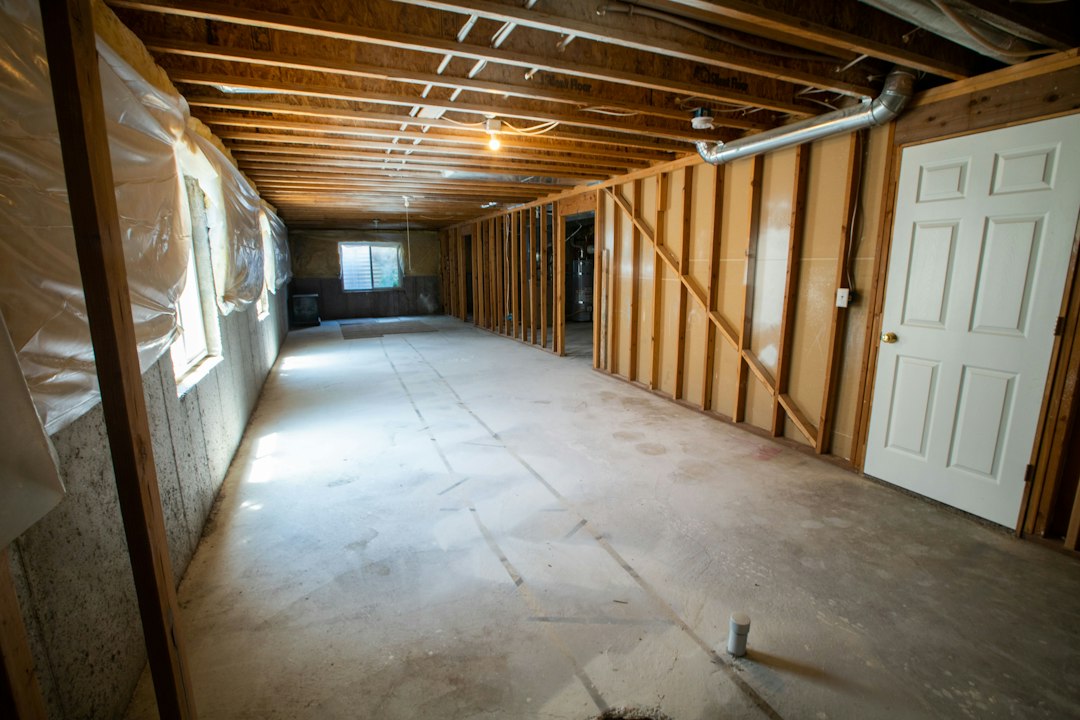
Quick answer: Standard home insurance in Quebec usually does not cover wear and tear, lack of maintenance, gradual leaks, mould and rot, insects and rodents, ground water seepage, overland flooding, sewer backup and earthquake unless you add specific endorsements. Damage while the home is vacant beyond a set period, intentional acts, and business activities at home are also commonly excluded or limited. Exact exclusions vary by insurer, so read the “Exclusions” and “Conditions” sections of your own policy.
Most people only discover what their home insurance doesn’t cover when they file a claim. A slow leak under the kitchen sink, mice in the walls of a chalet in Val-David, a flooded basement after the spring thaw in Sainte-Agathe-des-Monts: these are the kinds of situations where homeowners in the Laurentides are often surprised to hear “that’s excluded.”
Understanding exclusions before a loss is the best way to avoid that surprise. This guide explains the most common home insurance exclusions in Quebec, why they exist, and which ones you can reduce or remove with optional coverage.
Key takeaways
- Home insurance covers sudden and accidental damage, not slow deterioration or maintenance problems.
- Water is the most complex area: sewer backup, overland water and ground water are each treated differently.
- Vacancy and seasonal use (common for Laurentides chalets) can trigger exclusions or conditions.
- Undeclared changes (renovations, wood stove, rental activity) can lead to a refused claim.
- Many exclusions can be partly covered by endorsements; some cannot.
- The Civil Code of Québec sets out general rules about what insurers must and need not cover.
Advertisement
Why does home insurance have exclusions?
Insurance is designed to cover unpredictable events, not costs that are certain to happen over time. A roof will eventually wear out; pipes will eventually corrode. Covering those would make insurance unaffordable for everyone. Exclusions also remove catastrophic risks that require separate pricing (like earthquakes or floods) and behaviours insurers won’t accept (like intentional damage).
The insurance chapter of the Civil Code of Québec, available on LégisQuébec, sets out general principles, including that the insured must disclose relevant facts and inform the insurer of changes that increase the risk. Your policy wording then defines the specific exclusions.
What are the most common home insurance exclusions in Quebec?
| Exclusion | Typical situation | Can it be added? |
|---|---|---|
| Wear and tear, lack of maintenance | Old roof leaking, rotten window frames | No |
| Gradual or repeated leaks | Leak under a sink for months | No (sudden leaks are usually covered) |
| Mould, rot, fungus | Mould from humidity in a basement | Limited, sometimes when caused by an insured event |
| Insects, rodents, vermin | Mice, carpenter ants, squirrels in the attic | Generally no |
| Sewer backup | Water coming up through floor drains | Yes, by endorsement |
| Overland water (flood) | River or lake overflowing into the home | Often by endorsement, depending on location |
| Ground water / infiltration | Water seeping through foundations | Sometimes, with some insurers |
| Earthquake | Cracks after an earthquake | Yes, by endorsement |
| Vacancy beyond a set period | Frozen pipes in an empty chalet | Sometimes, with conditions or a vacancy permit |
| Business activities | Clients injured at a home-based business | Yes, with business coverage |
| Intentional acts | Damage deliberately caused by the insured | No |
| Settling, cracking, shrinkage | Foundation cracks over time, pyrite | Generally no |
Does home insurance cover wear and tear?
No. Damage caused by normal aging, deterioration, rust, corrosion or lack of maintenance is excluded. If your 25-year-old shingles start leaking, the insurer will typically not pay for a new roof. However, if a sudden event like a windstorm tears off shingles, that damage may be covered, even on an older roof. For roofing advice specific to the region, see our sister site toiture.thelaurentides.com and our guide on roof snow load and winter insurance.
Is a slow leak covered by home insurance?
Usually not. Policies typically cover sudden and accidental water escape, such as a pipe that bursts. A leak that continues over weeks or months, causing rot or mould, is generally considered a maintenance issue. The insurer may still cover resulting damage in some cases, but the repair of the leaking item itself is often excluded. Checking under sinks, behind toilets and around the water heater regularly is one of the best ways to avoid this problem.
Does home insurance cover mould?
Mould resulting from humidity, poor ventilation or a long-term leak is usually excluded. Some policies cover mould cleanup when it directly results from a sudden insured event, such as a burst pipe, often with a lower limit. Prompt drying after any water damage is essential.
Are mice, squirrels and insects covered?
Damage caused by rodents, insects and vermin is generally excluded because it’s considered preventable through maintenance. This is a common issue in Laurentides chalets surrounded by forest. Sealing entry points, storing food properly and regular inspections are your best protection. Some policies make a limited exception for damage caused by wild animals other than rodents (for example, a bird or raccoon), so read your wording.
What water damage is not covered by home insurance in Quebec?
Water damage is the area where exclusions cause the most confusion. Most policies distinguish several sources:
- Water from inside the home (burst pipe, broken appliance hose): often covered if sudden and accidental.
- Sewer backup: excluded unless you add the endorsement. A backflow valve may be required.
- Overland water: water entering from the surface during a flood. According to the Insurance Bureau of Canada, some Quebec insurers began offering overland water coverage in 2017; availability depends on the insurer and the flood risk of the property. See ibc.ca.
- Ground water: water seeping through foundations or rising from the ground. Often excluded or offered only by some insurers.
- Rain or snow entering through openings: covered or excluded depending on whether the opening was created by an insured event (e.g., wind damage).
The IBC has also explained that if flood water caused a sewer backup, the claim may be treated as flood damage rather than sewer backup. That’s why lakefront and riverside owners around the Rivière du Nord, Rivière Rouge or Lac des Sables should look at both endorsements. Read water damage, sewer backup and flood insurance in the Laurentides.
What about ice dams?
Ice dams are a classic winter problem: ice builds up at the roof edge and melted snow backs up under the shingles. Coverage depends on the wording. Some policies cover resulting interior damage, others exclude it or apply conditions. Insurers may also look at whether the roof was reasonably maintained and cleared.
Is a septic backup the same as a sewer backup?
Not necessarily. Many rural homes in the Laurentides use septic systems rather than municipal sewers. Policy wording may refer specifically to sewers or drains, and coverage of septic-related backups varies. Ask your insurer explicitly how they treat a septic system backup.
Advertisement
Does home insurance cover a vacant house or chalet?
Most policies have conditions on vacancy or unoccupancy. If the home is left empty beyond a certain number of consecutive days (the period varies by insurer and is stated in your policy), some coverages, such as water damage from freezing, vandalism or glass breakage, may be excluded unless certain precautions are taken. Common precautions include keeping the heat on, shutting off the main water valve and draining pipes, or having someone check the property regularly.
This is particularly important for chalets in Mont-Tremblant, Lac-Supérieur or the Hautes-Laurentides that sit empty between visits. Read chalet and cottage insurance in the Laurentides.
Exclusions linked to undeclared risks
Some claims are refused not because of a written exclusion, but because the insured didn’t disclose an important fact or change. Under the Civil Code of Québec, you must declare circumstances that would influence the insurer’s decision (article 2408) and promptly notify changes that increase the risk (article 2466). Typical examples:
- Installing a wood stove or fireplace insert without telling your insurer. See wood stove and fireplace insurance in Quebec.
- Renting the property on Airbnb or other platforms. See short-term rental chalet insurance in Quebec.
- Major renovations or construction work.
- Running a business from home with clients visiting or stock stored on site.
- Converting a garage or basement into an apartment.
Other common exclusions and limits
Earthquake
Earthquake damage is generally excluded from standard policies but can usually be added by endorsement, often with a percentage-based deductible.
Foundation problems and pyrite
Settling, cracking, shrinkage and expansion of foundations are generally excluded. Problems linked to pyrite or pyrrhotite in concrete are also typically not covered by home insurance.
Trees and landscaping
Coverage for trees, shrubs and lawns is often limited, and some causes like windstorms may be excluded for landscaping. Damage to your house caused by a tree falling during a storm is typically covered; removing the tree itself may have a limit. See storm and tree damage insurance in Quebec.
Special limits on valuables
Many policies apply lower limits to categories like jewellery, cash, bikes, art, collections and electronic equipment. These aren’t exactly exclusions, but they can feel like it. Listing valuable items separately can increase the coverage.
Recreational vehicles and watercraft
Snowmobiles, ATVs and boats often have limited or no coverage under a home policy, particularly for liability while using them. See snowmobile insurance and boat insurance in Quebec.
Outbuildings, docks and seawalls
Detached garages and sheds are often covered with a separate limit. Docks, boathouses and retaining walls on lakefront properties may be limited or excluded, especially against ice and water damage. Ask your insurer before assuming they’re included.
Tip: Ask your insurer or broker for the full policy wording, not just the summary. Highlight the “Exclusions,” “Conditions” and “Special limits” sections, and ask about anything you don’t understand before you need to claim.
How to reduce the impact of exclusions
- Read the policy wording once a year, especially after renewal.
- Add relevant endorsements: sewer backup, overland water, ground water, earthquake, service lines.
- Install prevention devices: backflow valve, sump pump with battery backup, leak detectors, automatic water shut-off.
- Maintain your property and keep receipts as proof: roof, chimney sweeping, gutters, plumbing.
- Declare every change that increases the risk.
- Plan for vacancies with regular inspections and documented visits.
- Shop with exclusions in mind: compare wordings, not only prices. See how to shop for home insurance in the Laurentides.
If you’re buying an older property, our upcoming guide on older home insurance in Quebec covers specific issues with old wiring, plumbing and foundations.
What if my claim is refused because of an exclusion?
Ask the insurer to explain in writing which clause applies. Compare it with your policy wording. If you disagree, use the insurer’s internal complaint process. If that doesn’t resolve the issue, the AMF can review your file and offer dispute resolution services. Our guide on how to file a home insurance claim in Quebec gives practical steps.
For uninsurable losses after natural disasters, the Quebec government may offer financial assistance programs in some situations. Information is published on Québec.ca.
Advertisement
Frequently asked questions
Does home insurance cover a flooded basement in Quebec?
It depends on the source of the water. A burst pipe is often covered; sewer backup and overland flooding usually require separate endorsements; ground water seepage is often excluded.
Does home insurance cover roof replacement?
Only if the damage results from a sudden insured event like wind or hail. Replacing a roof because it’s old or worn out is not covered.
Is frozen pipe damage covered?
Often yes, if you took reasonable precautions such as maintaining heat. If the home was vacant beyond the allowed period without precautions, the damage may be excluded.
Does home insurance cover theft at a chalet?
Theft is generally covered, but conditions may apply if the property is vacant or seasonal. Some policies require visible signs of forced entry or have lower limits for secondary residences.
Are tree removal costs covered?
If a tree falls on your house due to an insured peril, removal is often covered within a limit. If it falls on the lawn without damaging a structure, removal may not be covered.
Can I add coverage for an excluded risk?
Some exclusions, like sewer backup, overland water and earthquake, can usually be covered with endorsements. Others, like wear and tear or intentional acts, cannot be insured.
Have a question we didn’t answer? Contact us.
This article is for general information only and is not insurance advice. Laurentides Insurance Guide does not sell insurance. Always confirm with a licensed broker or your insurer.
Leave a Reply