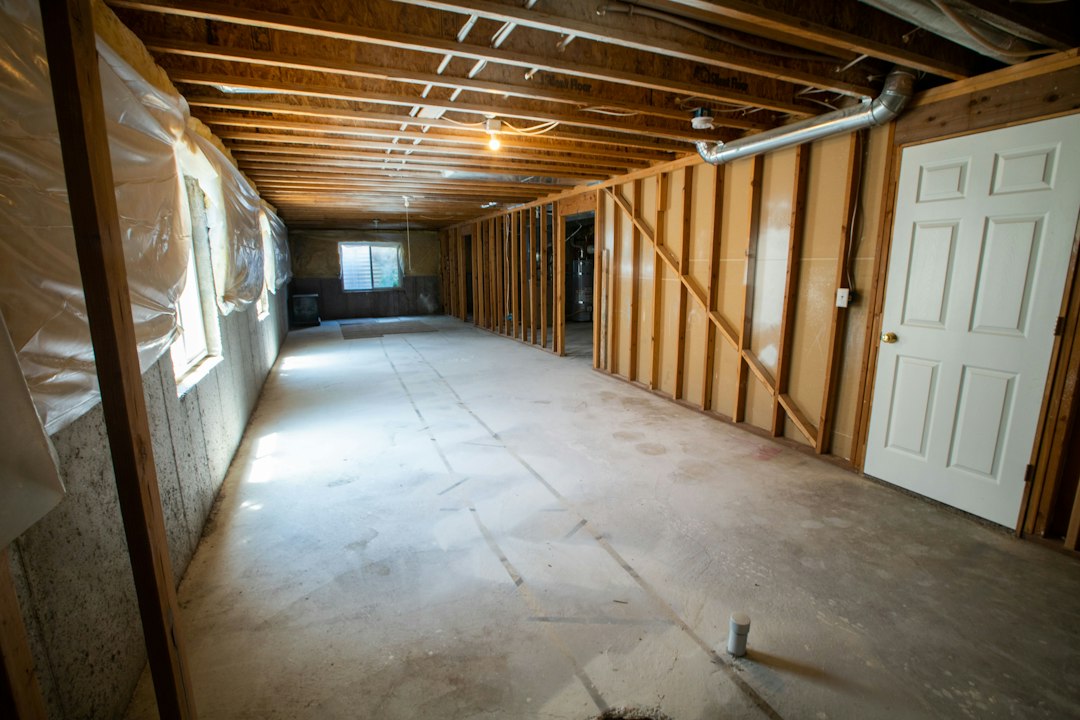
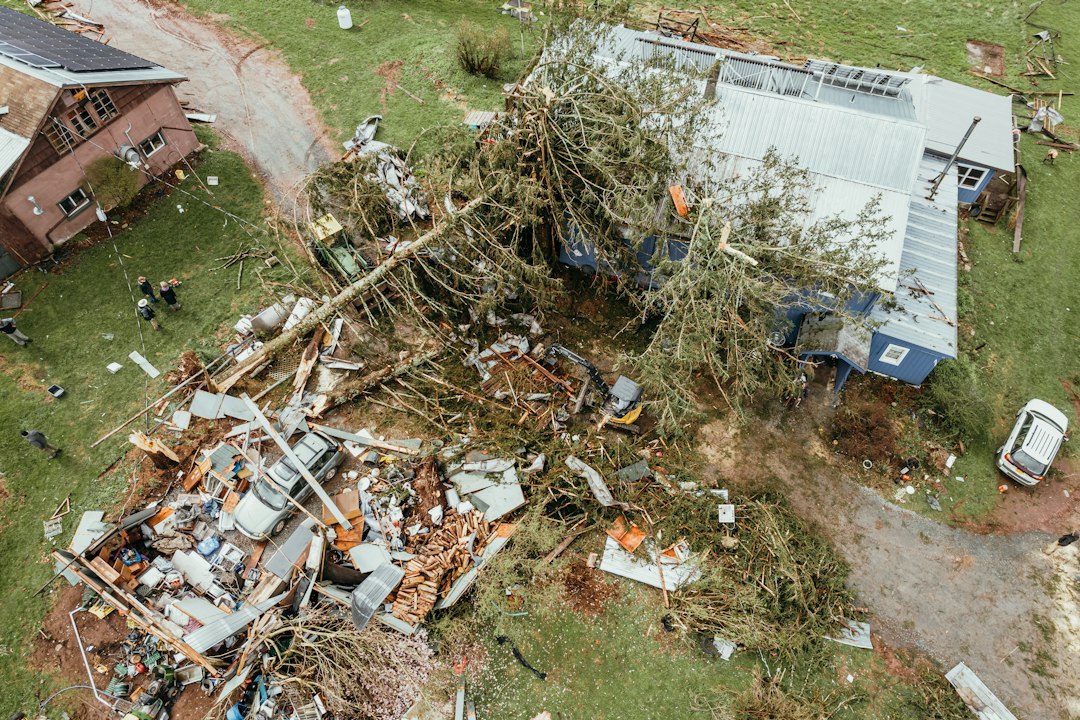
Quick answer: Yes, in most cases. A standard Quebec home insurance policy generally covers sudden damage caused by wind, hail, lightning and the weight of ice, including a tree or branch that falls on your house, garage, shed or fence, and the cost of removing the debris from the damaged structure. A tree falling on your car is an auto claim covered only if you carry comprehensive or all-perils coverage. Water entering through a storm-damaged roof is usually covered, but rising surface water (flooding) and sewer backup require separate endorsements.
Few things are more stressful than finding a maple across your roof the morning after a windstorm. In the Laurentides, where many homes in Val-David, Sainte-Adèle, Saint-Sauveur or around Mont-Tremblant sit among mature trees, and where freezing rain and heavy wet snow are regular visitors, the same question comes up again and again: does my home insurance actually cover this?
This guide explains how Quebec home insurance usually responds to wind, ice storms, hail and fallen trees, who pays when a neighbour’s tree is involved, and what happens to your freezer after a long outage. Every policy wording is different, so use it as a starting point before reading your own contract.
Key takeaways
- Wind, hail, lightning and the weight of ice or snow are covered perils in most Quebec home insurance policies.
- A tree that falls on your house, garage, shed, deck or fence is generally a claim on your own home policy, even if the tree belonged to your neighbour or the municipality.
- A tree that falls on your car is an auto claim, covered only with comprehensive or all-perils coverage.
- Debris removal is usually covered when the tree damaged an insured structure; removing a tree that fell without damaging anything is often not covered or is subject to a small limit.
- The tree itself, gradual root damage and lack of maintenance are typically not covered.
- Hydro-Québec states that it does not compensate for outages caused by weather events, so food spoilage claims go through your own insurer, if your policy includes that coverage.
Advertisement
Does home insurance cover wind damage in Quebec?
Wind is one of the core perils covered by virtually every home insurance policy sold in Quebec, whether you have a “named perils” (basic) or an “all risks” (comprehensive) form. Shingles torn off the roof, broken windows, a damaged soffit, a bent chimney cap or siding peeled off by a strong gust are all classic examples of sudden, accidental wind damage.
The important nuance concerns water. Most policies cover rain or snow that enters the house through an opening created by the wind or by a falling object, such as a hole in the roof made by a branch. Water that seeps in through an old, worn roof without any storm damage is usually treated as a maintenance problem and excluded. If you are unsure about your roof’s condition, see our guide on roof, snow load and winter insurance in the Laurentides.
What about hail?
Generally yes. Hail damage to your home is claimed on your home policy; hail damage to your car is claimed on your auto policy, only if you carry comprehensive or all-perils coverage. Some insurers apply depreciation to older roofing.
Are ice storms covered by home insurance?
Freezing rain remains a regular winter event in the Laurentides. In general, home insurance covers damage caused by the weight of ice, snow or sleet on the building, as well as damage from branches or trees that break under the load and fall on insured structures.
Ice storms often cause several losses at once:
- Roof or structure damaged by ice weight or falling branches: generally covered as a sudden loss.
- Ice dams that push meltwater under shingles: coverage varies widely between insurers and policy forms. Some cover the resulting interior water damage, others exclude it or treat it as a maintenance issue.
- Frozen and burst pipes during a long power outage: often covered, provided you took reasonable precautions (keeping the heat on, shutting off and draining the water if the house was left unheated). Policies commonly exclude freezing damage if a home was left unattended without these measures, especially chalets.
- Food spoilage due to a prolonged outage: depends on your policy (see below).
- Additional living expenses: usually covered when the home is uninhabitable because of an insured loss.
Does home insurance cover a tree falling on my house?
Generally, yes. According to the Insurance Bureau of Canada (IBC), home insurance usually covers damage when a tree or branch falls on your home because of wind or lightning, which are the most common causes. This also extends to other structures on your property, such as a detached garage, shed, fence or deck.
Your claim would typically include:
- Repairs to the damaged structure (roof, walls, windows, siding).
- Damage to the contents inside, if the falling tree or the resulting water damaged furniture, electronics or other belongings.
- The cost of removing the tree debris from the structure, usually included with the loss.
Your deductible applies once per claim. If you need help with the steps, documentation and timelines, read our guide on how to file a home insurance claim in Quebec.
What if the tree fell but didn’t hit anything?
This is a frequent source of surprise. If a tree falls in your yard without damaging a building, fence or other insured property, many policies will not pay to cut it up and haul it away, or only provide a small, specific limit for debris removal. The IBC also notes that insurance does not pay to replace the tree itself. Trees, shrubs and plants are usually covered only for a short list of perils such as fire, lightning or vandalism, and with limited amounts. Wind is often not one of them.
Is a tree falling on my fence covered?
Yes, in most policies a fence is a detached structure covered when a tree falls on it. The detached structures limit is often a percentage of your dwelling limit, so properties with several outbuildings may need more.
What if my neighbour’s tree falls on my house?
This is one of the most searched tree questions, and the answer often surprises people: you usually claim on your own home insurance, regardless of who owns the tree. The IBC explains that your insurer handles repairs to your property even if the tree belonged to your neighbour or the city.
Responsibility is separate. Owners are generally responsible for damage caused by their trees, but the Government of Quebec’s page on trees and branches between neighbours notes an important exception: damage caused by an unforeseeable event of superior force, such as violent winds that topple a healthy tree. In that case, the neighbour is generally not at fault, and each owner’s insurer handles their own client’s damage.
If the tree was visibly dead or leaning and the owner ignored warnings, your insurer may try to recover what it paid from the neighbour’s liability insurer (subrogation). Practical tips:
- If you see a neighbour’s tree that looks likely to fall, ask them in writing to have it inspected or cut. Keep a copy and take photos.
- Do not cut a neighbour’s tree, branches or roots yourself without permission: the Quebec government warns that the owner could claim damages from you.
- Check your municipality’s by-laws. Many Laurentides municipalities require a permit to cut trees, particularly near lakes and in protected shoreline strips.
What if my tree falls on my neighbour’s property?
Your neighbour will normally claim on their own home insurance. If their insurer believes you were negligent, it may seek reimbursement from you, and the civil liability section of your home policy would usually respond.
Advertisement
Does car insurance cover a tree falling on my car?
A tree falling on your vehicle is an auto insurance matter, even in your own driveway. You are covered only if your policy includes comprehensive or all-perils coverage for your own vehicle; Quebec’s mandatory minimum covers only damage you cause to others’ property. Our guide to auto insurance in the Laurentides explains the different chapters and options.
Summary table: who pays for storm and tree damage?
| Situation | Usually claimed on | Generally covered? |
|---|---|---|
| Wind tears shingles off the roof | Home insurance | Yes, sudden wind damage |
| Rain enters through a hole made by the storm | Home insurance | Usually yes |
| Water leaks through an old, worn roof | Home insurance | Usually no (maintenance) |
| Your tree falls on your house or garage | Your home insurance | Yes, including debris removal from the structure |
| Neighbour’s tree falls on your house | Your home insurance | Yes; your insurer may pursue the neighbour if negligent |
| Tree falls on your fence or shed | Home insurance (other structures) | Yes, within the detached structures limit |
| Tree falls in the yard, damages nothing | Home insurance | Often no, or small limit |
| Tree falls on your car | Auto insurance | Only with comprehensive / all perils |
| Hail damages your car | Auto insurance | Only with comprehensive / all perils |
| Roots crack your foundation | Home insurance | Generally no (gradual damage) |
| Food spoils during a long outage | Home insurance | Depends on the policy or endorsement |
| Basement floods from rising surface water | Home insurance | Only with an overland water endorsement |
Does home insurance cover food spoilage after a power outage?
Long outages are part of life on rural Laurentides roads, from Wentworth-Nord to Mont-Laurier, where lines run through forest. Can you get reimbursed for a freezer full of spoiled food?
Start with Hydro-Québec. On its claims page, Hydro-Québec states that it does not compensate for food or other losses caused by outages, barring gross or intentional fault, and that it cannot be held liable for interruptions caused by meteorological events such as storms. In practice, this means you should turn to your own insurer.
Many Quebec home insurance policies include some coverage for food in a freezer or refrigerator spoiled because of a power interruption or mechanical breakdown, but:
- it may be included automatically, offered as an option, or absent altogether;
- it is usually subject to a specific dollar limit;
- some policies require the outage to have lasted a minimum period, or to have been caused by an event off your premises;
- your regular deductible may apply, which can make a small claim not worth filing.
Before you throw food away, take photos of the contents and note what you discard. That documentation will help if you decide to claim.
Are cleanup and tree removal costs covered?
When a tree damages an insured structure, debris removal is generally part of the claim. This usually includes cutting the tree off the roof and removing the pieces that caused the damage. What is often not included is grinding the stump, removing the rest of the tree that stayed standing, landscaping or replacing the tree.
If you hire a tree removal company, check that it carries liability insurance; the IBC notes it is generally responsible if its work causes damage. Take photos before cleanup, and keep invoices for emergency measures such as tarping the roof: reasonable steps to prevent further damage are generally reimbursed and expected.
What storm damage is usually not covered?
Even with a good policy, several storm-related situations are commonly excluded or limited. For a broader overview, see our article on common home insurance exclusions in Quebec.
- Flooding from rising rivers or lakes, or water flowing over the ground: requires an overland water endorsement, which may not be available in high-risk zones.
- Sewer backup caused by heavy rain overwhelming the municipal system: requires a sewer backup endorsement. Our water damage, sewer backup and flood guide explains the differences.
- Wear, rot and lack of maintenance, including a roof at the end of its life.
- Gradual root damage to foundations or drains. The IBC notes that optional service line coverage may help with underground lines damaged by roots.
- Trees, shrubs and lawns damaged by wind, in most policies.
- Freezing damage in an unheated or unoccupied home where required precautions were not taken. Chalet owners should read our chalet and cottage insurance guide.
The Laurentides angle: forests, lakes and long driveways
Homes close to the treeline, lakeside properties exposed to wind across open water and properties with several outbuildings all multiply what a storm can damage.
A useful habit before each winter: walk your property and look up. Dead branches over the roof and trees leaning toward the house or power lines are worth having assessed by a certified arborist.
A few practical points for Laurentides homeowners:
- Check your detached structures limit if you have a garage, workshop, sheds or a boathouse.
- Know your municipal tree rules: shoreline protection by-laws around lakes often limit cutting, and permits may be required even for dangerous trees.
- Plan for outages: declare generators and backup heat sources; see our guide on wood stove and fireplace insurance.
- Keep your roof in good condition: a roof in good shape is your best argument when a storm claim arises. Local roofing resources are available on toiture.thelaurentides.com.
For more about life in the region, visit thelaurentides.com.
Advertisement
Frequently asked questions
Does home insurance cover damage from a windstorm in Quebec?
Yes, wind is a covered peril in almost all Quebec home insurance policies. Sudden damage to the roof, siding, windows and other structures is generally covered, as is rain entering through openings created by the storm. Damage due to wear or a worn-out roof is usually excluded.
Who pays if my neighbour’s healthy tree falls on my house during a storm?
Your own home insurer usually pays, minus your deductible. If a healthy tree fell in violent winds, the neighbour is generally not at fault; if it was dead or neglected, your insurer may seek reimbursement.
Will my insurance pay to remove a fallen tree that didn’t damage anything?
Often not, or only up to a small limit. Debris removal is usually tied to damage to an insured structure; check your wording for any limited tree removal amount.
Can I claim spoiled food from Hydro-Québec after an outage?
Generally no. Hydro-Québec says it does not compensate for food or other losses from outages barring gross or intentional fault, and that it is not liable for interruptions caused by weather. Your home insurance may include limited food spoilage coverage.
Does home insurance cover ice dam damage?
It depends on the insurer. Some policies cover interior water damage caused by ice dams; others exclude it as a maintenance issue. Ask your broker specifically if your roof has a history of icing.
Will a storm claim increase my premium?
It can. Insurers consider claims history when pricing and renewing policies, so weigh small losses close to your deductible. Our guide on cancellation and non-renewal in Quebec and our article on the cost of home insurance in Quebec explain the factors involved.
Have a question we didn’t answer? Contact us.
This article is for general information only and is not insurance advice. Laurentides Insurance Guide does not sell insurance. Always confirm with a licensed broker or your insurer.