Tag: Insurance Brokers

  • Small Business Insurance in the Laurentides: How to Shop for Coverage

    Shopping for small business insurance in the Laurentides can feel complicated. Whether you run a café in Saint-Sauveur, a renovation business in Saint-Jérôme or a home-based service near Mont-Tremblant, the right coverage depends on your activities, your premises and your clients.

    This informational guide explains the main types of business insurance and how to compare offers. This site does not sell insurance; speak with a licensed broker or insurer for advice on your specific situation.

    Why Small Business Insurance Matters

    A single claim, such as a customer injury, a fire or a lawsuit, can threaten a small business. Some clients, landlords and lenders also require proof of insurance before signing a contract or lease.

    Main Types of Small Business Insurance

    General Liability Insurance

    Covers claims from third parties for bodily injury or property damage linked to your business activities. It is often the first coverage clients and landlords ask about.

    Commercial Property Insurance

    Protects your building, equipment, inventory and furnishings against perils such as fire, theft or water damage, depending on the policy.

    Business Interruption Insurance

    Helps replace lost income if a covered event forces you to close temporarily.

    Professional Liability (Errors and Omissions)

    Important for consultants and service providers whose advice or work could cause financial loss to a client.

    Commercial Auto Insurance

    If you use vehicles for work, check whether your personal policy covers business use. Read about how auto coverage works in our guide SAAQ vs private car insurance in Quebec.

    Cyber Insurance

    Useful if you store client data or accept online payments.

    Special Situations in the Laurentides

    How to Shop for Business Insurance

    1. List your risks: premises, equipment, vehicles, employees, data and client contracts.
    2. Gather documents: revenue, number of employees, claims history and building details.
    3. Compare at least three quotes with similar limits and deductibles.
    4. Read exclusions carefully, especially for water damage, seasonal closures and subcontractors.
    5. Check the professional’s status with the Autorité des marchés financiers.
    6. Review annually as your business grows.

    FAQ

    Is business insurance mandatory in Quebec?

    Not always by law, but some professions, contracts, landlords and lenders require it.

    Does my home insurance cover my home business?

    Often not fully. Tell your insurer about any business activity at home.

    What is the most important coverage for a small business?

    General liability is often the starting point, but needs vary by activity.

    How can I lower my premium?

    Compare quotes, choose deductibles wisely, improve security and keep a clean claims history.

  • Best Boat Insurance Companies in Quebec: How to Compare

    Several boat insurance companies in Quebec offer pleasure-craft coverage, including Aviva (through brokers), Beneva, Desjardins and iA, while Promutuel says some watercraft can be covered through a home policy. No company is “best” for everyone: compare the liability limit, how a total loss is valued, towing and assistance, deductibles, AMF authorization and the quality of claims service.

    Ask around the docks at Lac des Sables in Sainte-Agathe-des-Monts or the public launch in Saint-Sauveur, and you’ll hear a different “best insurer” from every boat owner. Usually it’s the one that paid their last claim quickly. That’s a fair test, but it doesn’t help much when you’re shopping for a pontoon, a bass boat or a Sea-Doo for the chalet.

    This guide takes a different approach. Instead of ranking companies, it shows what several insurers active in Quebec say on their own websites about their boat coverage, then gives you the criteria to compare them for your own boat. For the basics of how boat insurance (assurance bateau) works, start with our guide to boat insurance in Quebec.

    Key takeaways

    • Several insurers publish boat or watercraft insurance pages for Quebec; some sell a dedicated boat policy, others cover small craft through a home policy.
    • Coverage details differ a lot: liability limits, agreed value options, towing and off-season storage aren’t worded the same way.
    • The only safe comparison is identical coverage, side by side, from the policy wording, not the marketing page.
    • Check that the insurer and the representative are authorized by the AMF to do business in Quebec.
    • Claims service matters as much as price: ask how claims are reported, handled and paid.

    Which companies offer boat insurance in Quebec?

    We only list insurers whose own website we consulted and that clearly describe boat or watercraft coverage. Names are in alphabetical order, as examples, not recommendations. Other insurers and specialty marine markets also exist, many of them available only through brokers.

    Aviva

    Aviva has a page dedicated to boat insurance in Quebec, sold through brokers under its Aviva Lifestyle and NauticLife® offerings. It describes coverage for pleasure boats “from fishing boat insurance to yacht insurance,” and says emergency towing, loss of use and its Aviva Marine Assistance program are included in every policy. It lists optional add-ons such as a navigational extension and guaranteed replacement cost.

    Beneva

    Beneva (the insurer formed from La Capitale and SSQ) has a boat insurance page covering fishing boats, sailboats, jet skis and pontoons. It lists civil liability as mandatory in its policy, with health expense and accidental death amounts included, and options such as all perils, an agreed amount for up to 15 years and a $0 deductible. A boat-only policy is possible without car insurance.

    Desjardins

    Desjardins’ boat insurance page lists motorboats, sailboats, personal watercraft, canoes and kayaks, rowboats, pontoons and pedal boats. It describes damage coverage for risks like sinking, fire, theft, capsizing and collision, plus liability, medical and funeral payments, emergency service and wreck removal.

    iA (Industrielle Alliance)

    iA’s boat insurance page states that its auto and home products are offered only in Quebec. It lists many boat types, from fishing boats and jet skis to cruisers, with civil liability of $1 million or $2 million and all-risks coverage “whether your boat is on the water, on land or in transit.”

    Promutuel Assurance

    Promutuel doesn’t describe a separate boat policy in the material we reviewed, but its watersports article says kayaks, canoes and pedal boats can be covered through home insurance, and that personal watercraft can also be insured this way. That may suit owners of small craft at a Laurentides chalet; see our chalet and cottage insurance guide.

    Advertisement

    What each insurer says it covers

    The table below summarizes only what each company states on the page we consulted (October 2026). “Not stated” means the page doesn’t mention it, not that the coverage is unavailable. Always confirm in the policy wording.

    Insurer How sold PWC / jet ski Liability Total-loss valuation Towing / assistance Other stated features
    Aviva Through brokers Not stated Extra liability add-on for incidental use; pollution and wreck removal extensions Agreed value base, optional guaranteed replacement cost Emergency towing and Marine Assistance in every policy Personal effects, medical and accident benefits, loss of use, navigational extension
    Beneva Direct, online quote Jet ski listed Mandatory in the policy Optional agreed amount up to 15 years Not stated $5,000 health expenses, $15,000 accidental death, equipment and personal property, $0 deductible option
    Desjardins Direct PWC listed Included Not stated Emergency service up to $500 Wreck removal, up to $1,500 additional expenses, 30 days for a newly acquired boat, fire/theft/vandalism during off-season storage
    iA Direct Jet ski listed $1M or $2M Not stated Emergency towing Fishing equipment up to $8,000, damage by rodents and zebra mussels, trailers and accessories
    Promutuel Home policy Through home insurance May be provided by home policy, with limits Not stated Not stated Kayaks, canoes and pedal boats through home insurance

    How to compare boat insurance companies

    A company that’s excellent for a 30-foot cruiser on the Lac des Deux Montagnes may not be the right fit for a 14-foot aluminum boat on Lac Nominingue. These are the criteria that actually separate one insurer from another.

    1. Is the insurer authorized in Quebec?

    Insurers and the firms and representatives that sell their products in Quebec must be authorized by the Autorité des marchés financiers. You can check on the AMF registers. This matters most with specialty or out-of-province marine insurers found online.

    2. Who will you deal with: a broker or an agent?

    The Chambre de l’assurance de dommages (ChAD) explains that an agent recommends products from one insurer, while a broker compares products from several insurers in its network. Some boat products, like Aviva’s, are only available through brokers. Brokers may charge fees on top of the premium, and these must be disclosed. Read our guides on broker vs agent vs direct insurer and on finding a boat insurance broker in Quebec.

    3. How is a total loss valued?

    Ask whether the policy pays an agreed amount, replacement cost or depreciated (actual cash) value if the boat is stolen or sinks. For a newer boat, this is often the biggest difference between two quotes.

    4. What liability limit is offered?

    Liability pays if you injure a swimmer, a skier you’re towing or damage another boat or dock. Compare limits and check whether passengers and other operators are covered.

    5. Does it fit how you actually use the boat?

    • Do you tow tubes or wakeboarders?
    • Do teens or guests drive the Sea-Doo?
    • Do you trailer the boat to other lakes or out of province?
    • Is it stored at home, at a marina or in a boathouse in winter?
    • Would you ever rent it to chalet guests? That’s usually commercial use and must be declared.

    6. How good is the claims service?

    Ask how to report a claim (24/7 line, app, online), whether adjusters handle marine claims regularly, whether you can choose your repair shop or marina, and how towing and salvage are arranged on a remote lake. Aviva and iA both mention around-the-clock claims service on their pages; ask every insurer the same question.

    Step-by-step: shortlisting insurers for your boat

    1. Write down your boat’s details: make, model, year, length, hull, motor type and horsepower, value, trailer, and where it’s stored and used.
    2. Check your current home or chalet policy to see whether it already covers small craft and up to what limit.
    3. Pick three to four insurers, mixing direct insurers and at least one broker.
    4. Request quotes for the same coverage: same liability limit, same valuation basis, same deductible. Our guide on how to compare boat insurance quotes in Quebec has a checklist.
    5. Read the exclusions, especially freeze damage, winterization, mechanical breakdown and operator rules.
    6. Verify the company and the representative on the AMF registers.
    7. Compare price last. For typical price ranges and what drives them, see how much boat insurance costs in Quebec.

    The “best” boat insurance company is the one whose policy pays for the losses you’re most likely to have, at a price you can live with, with a claims team you can reach from the dock.

    Bundling with home, chalet or auto

    Many insurers offer discounts when you combine boat insurance with other policies. Beneva and iA both mention average savings when customers bundle several products. Bundling can simplify claims if a storm damages both the boathouse and the boat, but it shouldn’t stop you from comparing a stand-alone boat policy elsewhere.

    Advertisement

    Frequently asked questions

    Which company has the best boat insurance in Quebec?

    There is no single best company. The right insurer depends on your boat, how you use it and the coverage you want. Compare liability limits, how a total loss is valued, towing and assistance, deductibles and claims service for identical coverage.

    Does Desjardins insure personal watercraft?

    Desjardins lists personal watercraft among the watercraft its boat insurance covers, along with motorboats, sailboats, canoes, kayaks, rowboats, pontoons and pedal boats.

    Can I buy Aviva boat insurance directly?

    Aviva says its Quebec boat insurance is sold through brokers. You need to contact a broker who represents Aviva to get a quote.

    Does home insurance cover my boat in Quebec?

    Sometimes, with limits. Promutuel, for example, says kayaks, canoes, pedal boats and personal watercraft can be covered through home insurance. Larger or faster boats often need a separate boat policy.

    How do I know if a boat insurer is allowed to sell in Quebec?

    Check the AMF registers on lautorite.qc.ca. Insurers, firms and representatives offering insurance in Quebec must be authorized by the Autorité des marchés financiers.

    Should I use a broker to compare boat insurance companies?

    A broker can compare several insurers at once, including some products only sold through brokers. A direct insurer may also be competitive. Getting quotes from both channels is a good way to compare.

    Have a question we didn’t answer? Contact us.

    Sources: Aviva: Boat insurance Quebec, Beneva: Boat insurance, Desjardins: Boat insurance, iA: Boat insurance, Promutuel Assurance: watersports insurance

    This article is for general information only and is not insurance advice. Laurentides Insurance Guide does not sell insurance. Always confirm with a licensed broker or your insurer.

  • Boat Insurance Brokers in Quebec: What to Look For

    To find a boat insurance broker in Quebec, look for a damage insurance broker certified by the Autorité des marchés financiers (AMF) and confirm their name and firm on the AMF’s public register before sharing any details. Brokers compare policies from several insurers, while agents sell for one. Ask about marine experience, personal watercraft, lay-up rules and liability limits, and come prepared with your boat’s details.

    Every spring, the launch ramps on Lac Tremblant, Lac des Sables, Lac Masson and Lac Nominingue fill up with pontoons, fishing boats and Sea-Doos. Whether you just bought a used runabout in Saint-Jérôme or you keep a wake boat at the chalet in Saint-Sauveur, the person who places your coverage matters as much as the policy itself.

    This guide explains how brokers are licensed, how to verify one, what to ask and what to have ready. It does not recommend any specific brokerage. If you are still wondering whether you need boat coverage at all, start with our overview of boat insurance in Quebec.

    Key takeaways

    • Anyone who sells or advises on boat insurance in Quebec must be certified by the AMF and attached to a registered firm.
    • You can check a broker or agent on the AMF’s Register of firms and individuals authorized to practice, free of charge.
    • Brokers and agents are overseen for ethics and discipline by the Chambre de l’assurance de dommages (ChAD).
    • A broker offers products from several insurers; an agent works for a single insurer.
    • Preparing your hull serial number, horsepower, value, operator details and storage plans makes quotes faster and more accurate.
    • Pressure to sign quickly, refusal to give their certificate number or vague answers about exclusions are warning signs.

    How are insurance brokers regulated in Quebec?

    Quebec has its own framework for selling insurance. Boat insurance falls under damage insurance (property and liability insurance, called assurance de dommages in French). Two bodies are involved.

    The Autorité des marchés financiers (AMF)

    The AMF is Quebec’s financial regulator. It certifies individual representatives, registers firms, and maintains a public register so consumers can confirm that the person or firm they are dealing with has the right to offer the product being sold. According to the AMF’s definitions, a damage insurance broker is an individual who offers damage insurance products from several insurers directly to the public, while a damage insurance agent offers products on behalf of one insurer, or a firm bound by an exclusive contract with a single insurer. An individual cannot be both. Brokers work through a cabinet de courtage (brokerage firm), which by definition cannot itself be an insurer.

    The Chambre de l’assurance de dommages (ChAD)

    The ChAD’s mission is to protect the public by overseeing the training, ethics and discipline of damage insurance agents, brokers and claims adjusters. It enforces a code of ethics, verifies continuing education and receives complaints, which can lead to a hearing before its Discipline Committee. The ChAD notes that both agents and brokers have an ethical duty to advise you on everything your situation requires, including a policy’s exclusions and limits.

    How to verify a broker on the AMF register

    Do this before you send any personal or banking information.

    1. Get the full name and the firm name. Ask the person for their legal name and the name of the firm they represent. A legitimate representative will share them readily.
    2. Open the AMF register. Go to the AMF’s Register of firms and individuals authorized to practice on lautorite.qc.ca and launch the search.
    3. Search for the individual. Confirm that the person appears, that their certificate is active and that the sector shown is damage insurance, and see whether they are registered as a broker or an agent.
    4. Search for the firm. Confirm the firm is registered and that the individual is attached to it. Make sure the firm name matches the one on emails, quotes and invoices.
    5. Read the details. If the record shows any restriction or condition on the person’s right to practise, note it and ask about it.
    6. Check the disciplinary record if you want more. The ChAD explains that you can request an agent’s or broker’s disciplinary record from the secretary of its Discipline Committee.

    If you cannot find someone, or something does not match, call the AMF Information Centre (toll-free 1-877-525-0337) before going further.

    Advertisement

    Broker or direct insurer for your boat?

    Both routes are legitimate and regulated. For a deeper comparison, read our guide on brokers vs agents vs direct insurers in Quebec.

    Point Broker Agent / direct insurer
    Number of insurers Several insurers in the broker’s network One insurer
    Comparison work Broker gathers and compares quotes You compare by contacting several insurers yourself
    Specialty marine markets May have access to marine or specialty insurers for larger, older or high-performance boats Limited to what that insurer accepts
    Bundling with home or chalet Possible, depending on the insurers placed Often easy if the insurer already covers your home
    Compensation Commission included in the premium; fees may be added if disclosed Salaries and costs included in the premium
    Oversight AMF certification, ChAD ethics and discipline AMF certification, ChAD ethics and discipline

    A broker is often useful when your boat falls outside what a standard home insurer handles: a large cruiser, a classic wooden boat, a high-horsepower wake boat, a boat kept on Lac des Deux Montagnes at a marina, or a personal watercraft (motomarine) driven by several family members. If your canoe and small fishing boat are already covered by your home policy, a quick call to your current insurer may be all you need.

    What about broker fees?

    According to the ChAD, brokers are generally paid by a commission included in the premium, but may also charge fees. Fees not included in the premium must be disclosed, and higher amounts must be disclosed in writing beforehand.

    Questions to ask a boat insurance broker

    1. How many insurers do you place boat and personal watercraft policies with, and which ones would you approach for my boat?
    2. Is the physical damage coverage on an agreed value or actual cash value basis?
    3. What liability limit do you recommend, and does it meet my marina’s or club’s requirement?
    4. What is the navigation period, and what is covered during winter lay-up and storage?
    5. Are freeze damage, ice, sinking at the dock and wreck removal covered?
    6. Who is allowed to operate the boat? Are guests and young operators covered?
    7. Is the trailer covered, and how does towing on the road interact with my auto policy?
    8. Are personal effects, electronics and fishing gear covered, and up to what amount?
    9. What are the deductibles for collision, theft and other losses?
    10. Will you disclose any fees in writing, and how do I reach you during a claim?

    Once you have answers, our companion article on how to compare boat insurance quotes in Quebec walks you through putting the offers side by side.

    What information to prepare

    The ChAD encourages consumers to share all relevant information. Inaccurate answers can create problems at claim time, so gather this first:

    • Hull identification number (HIN) and, if applicable, the pleasure craft licence or registration number.
    • Make, model, year and length of the boat, plus hull type (aluminium, fibreglass, pontoon).
    • Engine details: make, model, year, horsepower and type (outboard, inboard, sterndrive, jet drive).
    • Value: purchase price, bill of sale, recent appraisal or survey, and the value of upgrades.
    • Trailer: make, year and serial number.
    • Operators: names, ages, years of experience and proof of competency, such as the Pleasure Craft Operator Card (PCOC).
    • Where you navigate: which lakes or rivers, for example Lac Tremblant or the Rivière des Mille Îles.
    • Storage: at the chalet, in a boathouse, on a lift, at a marina, indoors or outdoors for winter.
    • Use: towing tubers, fishing, rental to guests.
    • Claims history.

    If you rent out your lakefront property, mention it. Guests using your boat or kayaks change the risk, as explained in our guide on short-term rental chalet insurance.

    Red flags when choosing a broker

    • The person cannot or will not provide a certificate number or firm name, or they do not appear on the AMF register.
    • The firm name on the quote does not match the firm on the register.
    • You are pressured to pay immediately, often by e-transfer to a personal account.
    • No written quote or policy wording is provided, only a price.
    • Exclusions or fees are brushed aside or never disclosed.
    • Questions about operators, storage or rental use are skipped.

    If you have a problem with a representative, you can contact the ChAD to file a complaint, or the AMF for information and assistance.

    Advertisement

    Frequently asked questions

    How do I know if an insurance broker is licensed in Quebec?

    Search for the person and their firm on the AMF’s Register of firms and individuals authorized to practice. It shows whether they are authorized to offer damage insurance products. If you can’t find them, contact the AMF Information Centre before doing business.

    What is the difference between a broker and an agent in Quebec?

    A damage insurance broker offers products from several insurers, while an agent offers products on behalf of a single insurer. Both must be certified by the AMF and are overseen by the Chambre de l’assurance de dommages.

    Do brokers charge fees for boat insurance?

    Brokers are generally paid by commission included in the premium, but they may also charge fees. Fees not included in the premium must be disclosed, and larger fees must be disclosed in writing before the transaction.

    Can any broker insure a boat or Sea-Doo?

    Any certified damage insurance broker can offer boat coverage, but experience and insurer access vary. Ask which insurers they place marine policies with and whether they regularly insure personal watercraft or larger boats.

    What do I need to get a boat insurance quote?

    Have the hull identification number, make, model, year, length, engine horsepower, value, trailer details, operator information, where you navigate and where the boat is stored for winter. Claims history is usually requested too.

    How do I complain about an insurance broker in Quebec?

    You can file a complaint with the Chambre de l’assurance de dommages, which investigates the ethics and conduct of agents and brokers. The AMF can also provide information and assistance. Start by raising the issue with the firm itself.

    Have a question we didn’t answer? Contact us.

    Sources: AMF – Register of firms and individuals authorized to practice, AMF – Damage insurance definitions, Chambre de l’assurance de dommages – About, ChAD – Agents and brokers

    This article is for general information only and is not insurance advice. Laurentides Insurance Guide does not sell insurance. Always confirm with a licensed broker or your insurer.

  • Insurance Broker vs Agent vs Direct Insurer in Quebec: Which Should You Choose?

    Insurance Broker vs Agent vs Direct Insurer in Quebec: Which Should You Choose?

    In Quebec, you can buy home, chalet or auto insurance through a damage insurance broker, through an agent who works for one insurer, or directly from an insurer online or by phone. A broker can compare products from several insurers, an agent offers the products of the insurer they represent, and a direct channel is usually the fastest path to a single insurer’s price. This guide explains how each one works under Quebec rules, the trade-offs, how to verify a licence with the Autorité des marchés financiers (AMF), and which questions to ask before you sign.

    Key takeaways

    • All three channels are legal and regulated in Quebec. The right one depends on how complex your situation is and how much comparison you want.
    • A damage insurance broker represents you and can offer products from several insurers. An agent offers the products of one insurer (or one group).
    • Buying direct is convenient, but you only see one insurer’s offer, and you remain responsible for answering every question accurately.
    • Anyone advising you must hold a certificate issued by the AMF. You can check this free in the AMF’s Register of firms and individuals authorized to practise.
    • Ask about compensation and business ties. Representatives must act in your interest and firms must disclose certain relationships with insurers.
    • Your legal duty to declare the risk applies no matter which channel you use.

    Advertisement

    Why this choice matters in the Laurentides

    Many households in the Laurentides have insurance needs that do not fit a simple online form: a chalet in Val-David rented a few weekends a year, a house in Nominingue heated with a wood stove and served by a well and septic system, a property far from a fire hydrant, or an older home in Saint-Jérôme with a fuse panel still in place. The way you buy insurance affects how well these details are captured, how many options you see, and who helps you when something goes wrong.

    If you are just starting, our overview of how to shop for home insurance in the Laurentides walks through the full process. This article focuses on the “who do I buy from?” question.

    Definitions under Quebec rules

    In Quebec, the distribution of insurance is governed mainly by the Act respecting the distribution of financial products and services and its regulations. The AMF is the regulator that registers firms, issues certificates to individual representatives, inspects firms and receives consumer complaints. The Chambre de l’assurance de dommages (ChAD) oversees the ethics, training and discipline of damage insurance agents, brokers and claims adjusters.

    “Damage insurance” (assurance de dommages) is the Quebec term for property and casualty insurance: home, condo, tenant, chalet, auto, recreational vehicles and business insurance.

    Damage insurance broker

    A damage insurance broker is a certified representative who offers products from more than one insurer. The broker works for a brokerage firm, not for an insurer, and their role is to assess your needs, look for suitable coverage on the market, explain the options and help you through the life of the policy, including at renewal and, in many cases, during a claim.

    Damage insurance agent

    A damage insurance agent is a certified representative who offers the products of a single insurer, or of insurers belonging to the same financial group. Agents are often employed directly by the insurer, for example in its call centre or local office. An agent is also bound by professional obligations, including advising you properly about the products they offer, but they will not compare that insurer against its competitors.

    Direct insurer (direct writer)

    A “direct” insurer sells its policies to the public without going through independent brokers. You deal with the insurer by phone, through its website or app, or at its offices. When a person advises you, they are typically a certified damage insurance agent employed by that insurer. Quebec rules also allow some insurance products to be offered online through digital platforms, but you can generally ask to speak with a certified representative before you buy.

    Claims adjuster

    Claims adjusters are a separate category of certified professional. They assess losses and negotiate settlements after a claim. They may be employees of an insurer or work for independent adjusting firms hired by insurers. They are not the person who sells you the policy, but they must also be certified and follow a code of ethics.

    Broker vs agent vs direct: pros and cons

    Criteria Broker Agent (single insurer) Direct online / phone
    Who they work for A brokerage firm; represents the client One insurer or financial group The insurer itself
    Number of insurers compared Several One One
    Advice on complex risks (chalet, rental, wood heat, older home) Usually strong, can shop specialized markets Good within that insurer’s products Varies; complex risks may be referred to an agent or declined
    Speed of quote Can take longer when comparing Usually quick Often fastest
    Help at renewal Can re-shop the market if price jumps Can review options within the insurer Mainly self-service
    Help during claims Often acts as an intermediary or advocate Can explain process; claims handled by insurer You deal directly with the claims department
    Main limitation Only compares insurers the brokerage deals with No comparison with other insurers No comparison; you must know what to ask

    When a broker is often a good fit

    • You own a chalet or secondary home, especially one that is rented to guests.
    • Your property has features some insurers are cautious about: wood heating, an older roof, an oil tank, older wiring, a remote location or a long distance to a fire hydrant.
    • You have had claims or have been refused by an insurer before.
    • You want to bundle home, chalet, auto, snowmobile or boat coverage and see several combinations.
    • You prefer one contact person who handles renewals and changes for you.

    When an agent or direct insurer is often a good fit

    • Your situation is straightforward: a recent house or condo, primary residence, no rental activity, no unusual heating.
    • You already know an insurer you trust and want to deal with it directly.
    • You are comfortable comparing several insurers yourself by requesting quotes from each.
    • You value app-based self-service and quick online changes.

    Key tip: Nothing stops you from combining approaches. Many people get one quote through a broker and one or two directly from insurers, then compare coverage line by line, not just price.

    How to verify a licence with the AMF

    In Quebec, anyone who advises you on damage insurance must hold a certificate issued by the AMF, and firms offering insurance must be registered. The AMF provides a free online tool, the Register of firms and individuals authorized to practise, to check this. You can find it on the AMF’s website for the general public.

    Step by step

    1. Get the full name of the person advising you and the name of the firm they work for. A legitimate representative will give you this readily.
    2. Go to the AMF website and open the register of firms and individuals authorized to practise.
    3. Search by the person’s name (or by the firm’s name).
    4. Check the sector and category. For home or auto insurance, you should see a damage insurance category, such as damage insurance agent or damage insurance broker. Confirm the certificate is active and see which firm the person is attached to.
    5. Check the firm. Confirm the firm is registered and note its contact details. These details are also useful if you ever need to send a complaint.
    6. Look for restrictions or disciplinary information that may be indicated. The ChAD also publishes decisions of its discipline committee.

    If you cannot find a person or firm in the register, ask them for their exact registered name. If they still cannot be found, do not sign or pay anything and contact the AMF. Illegal practice in damage insurance is an offence, and the AMF has pursued people who acted as representatives without a certificate.

    Advertisement

    Conflicts of interest and compensation

    Every channel has potential conflicts, and Quebec law addresses them through disclosure rules and professional duties.

    How representatives are paid

    • Brokers are typically paid by commission from the insurer whose policy you buy. Some brokerages may also receive additional compensation linked to volume or performance with certain insurers.
    • Agents employed by insurers are typically paid a salary and may receive incentives tied to sales.
    • Direct channels involve the insurer’s employees, whose goal is to sell the insurer’s own products.

    None of this is improper in itself. What matters is that the person advising you puts your needs first and is transparent. You are entitled to ask how they are compensated.

    Ownership ties

    Some brokerage firms are partly or fully owned by insurers or by financial groups that also own insurers. Quebec rules require firms to disclose certain business ties with insurers to clients. If a broker always recommends the same insurer, it is fair to ask whether the brokerage has a relationship with it and how many insurers it really compared for your file.

    Professional obligations

    Certified damage insurance representatives are bound by a code of ethics overseen by the ChAD. Among other things, they must act with honesty and loyalty, seek to understand your needs, give you the information needed to make an informed decision, and avoid placing their own interest ahead of yours. If you believe a representative failed in these duties, you can complain to the firm, to the AMF, and to the ChAD regarding ethical conduct.

    Questions to ask before you buy

    Whether you deal with a broker, an agent or a direct insurer, these questions help you understand what you are getting.

    About the representative

    • What is your full name, and which firm are you certified with? (Then check the AMF register.)
    • Are you a broker or an agent? Which insurers can you offer?
    • How are you compensated for this policy? Does your firm have business ties with any of the insurers you are proposing?
    • Who will be my contact person for changes, renewals and claims?

    About the coverage

    • Is this a broad (“all risks”) form or a named perils form for the building and contents?
    • Is the building insured at replacement cost, and how is that amount calculated?
    • What water damage coverage is included, and what requires an endorsement (sewer backup, ground water, above-ground water, flood)?
    • What deductibles apply, and are there separate deductibles for water, roof or wind damage?
    • What are the limits for detached buildings, jewellery, bicycles, tools and electronics?
    • How much civil liability coverage is included?
    • What is covered for additional living expenses if I cannot live in the home?
    • Are there conditions about vacancy, winter heating or water shut-off?

    About your specific situation

    Key tip: Ask the representative to send you a written summary of the coverage proposed, including deductibles and main exclusions, before you commit. Compare that summary with the policy wording once you receive it.

    Your duty to declare does not depend on the channel

    Under the Civil Code of Québec, you must disclose the facts you know that are likely to materially influence the insurer’s decision to accept the risk or set the premium. You must also answer the insurer’s questions truthfully and notify it promptly of changes within your control that materially increase the risk.

    This duty applies whether you fill in an online form yourself or answer questions over the phone with a broker. A broker or agent can help you understand the questions, but the answers are yours. When something is unclear, ask, and keep a record. If you discover after the fact that an answer was wrong, contact your insurer or broker to correct it right away rather than waiting for a claim.

    Local vs online: does it matter?

    Laurentides residents can choose between brokerages and agencies with offices in towns like Saint-Jérôme, Blainville, Sainte-Agathe-des-Monts or Mont-Laurier, and insurers or brokerages that operate entirely online or by phone across Quebec.

    Advantages of a local representative

    • Familiarity with regional realities: well water, septic systems, wood heat, long distances to fire stations, heavy snow, and chalet rental activity.
    • Easier in-person meetings for complex files, such as a property purchase or a commercial rental.
    • A known contact if you need help during a claim after a major storm.

    Advantages of online and phone channels

    • Speed and convenience, especially for simple risks.
    • Extended hours and digital self-service.
    • Easy to compare quickly when you know exactly what coverage you want.

    What matters most is not the address of the office but whether the person is properly certified, understands your property, and takes the time to explain the coverage. An online brokerage can be excellent for a chalet file, and a local agent can be excellent for a simple home policy. Verify, ask questions and compare.

    Practical decision guide

    Your situation A channel to consider first Why
    First condo or recent house, primary residence Direct, agent or broker Simple risk; compare two or three quotes
    Older home with wood stove, well and septic Broker Benefits from comparing insurers’ appetites
    Chalet used personally only Broker or agent experienced with secondary homes Vacancy and winter conditions vary by insurer
    Chalet rented on short-term platforms Broker Rental use may require specialized coverage
    Previous claims or refusal Broker Access to more markets
    Buying a property with a tight condition deadline Broker, plus one direct quote Speed and comparison before removing conditions

    If you are in the process of buying, our home insurance checklist for buying in the Laurentides explains why you should get quotes before removing your financing conditions. And if you are new to the region, thelaurentides.com is a good starting point to discover its towns and services.

    If something goes wrong

    If you are unhappy with the service, advice or a decision, the process in Quebec starts with the firm itself:

    1. Raise the issue with your representative or the insurer’s customer service.
    2. If unresolved, send a written complaint to the firm. Firms must have a complaint processing policy, and Quebec’s regulation on complaint processing in the financial sector, in force since July 1, 2025, sets rules such as acknowledging the complaint and providing a final written response within set timeframes.
    3. If you remain dissatisfied, you can ask the firm to transfer your complaint file to the AMF, which may offer dispute resolution such as mediation or conciliation. Details are on the AMF’s Making a complaint page.
    4. For questions about a representative’s ethical conduct, you can also contact the ChAD.

    For claim disputes specifically, see our guide on how to file a home insurance claim in Quebec.

    Advertisement

    Frequently asked questions

    Is a broker always cheaper than buying direct?

    Not necessarily. Prices depend on your risk profile and each insurer’s pricing. Sometimes a broker finds a better price or better coverage; sometimes a direct insurer is more competitive for a given profile. The only way to know is to compare quotes for the same coverage.

    Do I pay a broker a fee?

    Brokers in personal lines are usually compensated by commission from the insurer, built into the premium. Ask the broker directly whether any fees apply to you, and get the answer in writing if there are any.

    How do I know if someone is really licensed in Quebec?

    Search for their name and their firm in the AMF’s Register of firms and individuals authorized to practise. For home and auto insurance, they should hold an active damage insurance certificate attached to a registered firm.

    Can I switch from an agent to a broker mid-term?

    Usually yes. You can cancel a policy before its term, though cancellation conditions and any short-rate penalty depend on the contract. Make sure your new policy starts before the old one ends so you are never without coverage.

    Is buying insurance online in Quebec safe?

    Buying online from a registered insurer or firm is legitimate. Check that the company appears in the AMF register, read the policy wording carefully, and remember that you are responsible for the accuracy of your answers.

    Who helps me during a claim if I bought direct?

    You deal with the insurer’s claims department and the adjuster assigned to your file. You can still ask questions, request explanations in writing and use the complaint process if you disagree with a decision.

    Want a second opinion on your coverage? Contact us and we will point you in the right direction.

    This article is for general information only and is not insurance advice. Always confirm details with a licensed broker or your insurer.
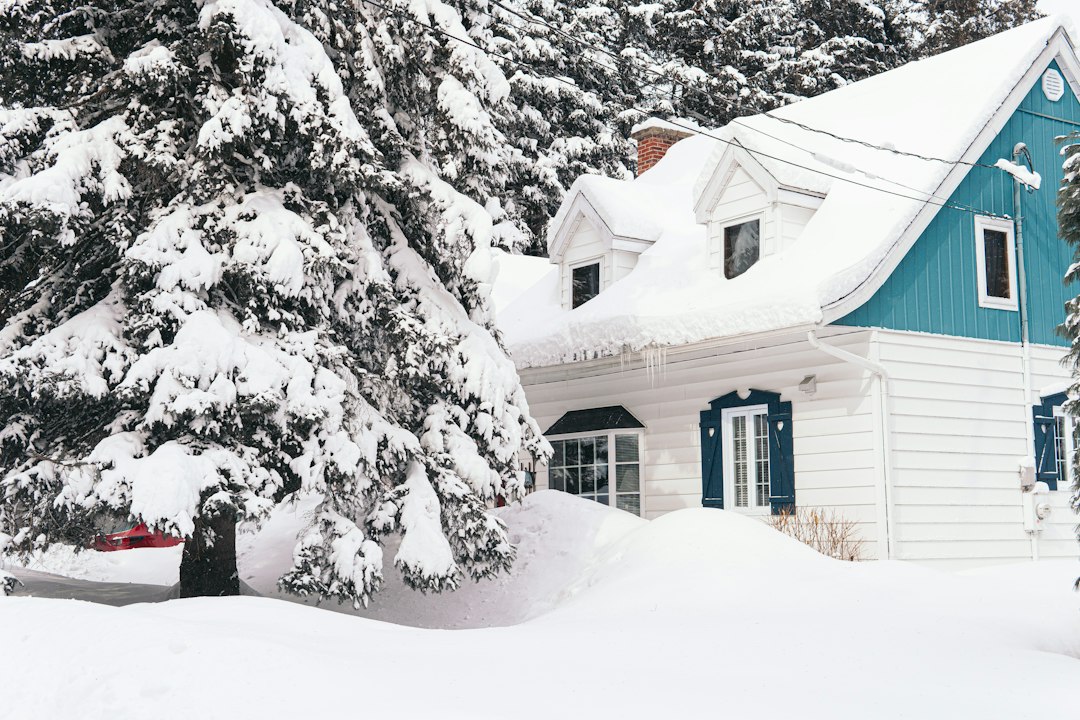
  • How to Shop for Home Insurance in the Laurentides: The Complete 2026 Guide

    How to Shop for Home Insurance in the Laurentides: The Complete 2026 Guide

    Shopping for home insurance in the Laurentides is not the same as shopping in Montreal. A house in Mont-Laurier on a well and septic system, heated with wood and 15 minutes from the nearest fire hall, is a very different risk from a Blainville townhouse on municipal water, and insurers price them very differently. This guide explains what coverage you actually need, what drives premiums in the region, and a step-by-step method to compare quotes so that you end up with the right protection at a fair price.

    Key takeaways

    • Compare coverage, not just price. Two quotes with the same premium can have very different exclusions, limits and deductibles.
    • Local factors matter a lot: distance to a fire hall and hydrant, wood heating, well and septic systems, roof age, and the age of plumbing and electrical wiring.
    • Water damage is the big one. Sewer backup and overland water are usually optional endorsements, not standard coverage.
    • Declare everything. Under the Civil Code of Québec you must disclose facts that could influence the insurer; failing to do so can reduce or void a claim.
    • Use a licensed representative. Brokers, agents and direct insurers in Québec are all supervised by the Autorité des marchés financiers (AMF). Check the register before you buy.
    • Review every renewal. Renovations, a new wood stove, a home office or a short-term rental can all change what you need.

    Advertisement

    Why home insurance in the Laurentides is different

    The Laurentides stretches from the dense suburbs of the North Shore (Blainville, Sainte-Thérèse, Mirabel, Saint-Jérôme) to the resort towns of the Pays-d’en-Haut (Saint-Sauveur, Sainte-Adèle, Val-David, Sainte-Agathe-des-Monts), Mont-Tremblant, and the more remote Hautes-Laurentides around Mont-Laurier and Nominingue. Insurers see this whole range of risk in one region:

    • Rural fire protection. Many properties are far from a staffed fire station and have no hydrant nearby. Firefighters may have to bring water by tanker truck.
    • Private water and wastewater. Wells, pumps and septic systems bring their own failure risks.
    • Wood heating. Wood stoves, fireplaces and inserts are common and are one of the first things an underwriter asks about.
    • Heavy winters. Snow load on roofs, ice dams, frozen pipes and long power outages all lead to claims.
    • Lakes and rivers. Waterfront living is part of the region’s appeal, but spring thaw and flood zones affect what water coverage you can get.
    • Second homes and rentals. Many properties are chalets or short-term rentals, which standard home policies may not fully cover.

    If you are new to the region, our regional guide to the Laurentides is a good starting point to understand the towns and their services.

    The types of home insurance coverage explained

    A Québec home insurance policy (often called a homeowner’s or multi-risk policy) usually combines several kinds of protection. Knowing the parts helps you compare quotes line by line.

    1. Building (dwelling)

    Covers the structure of your house: walls, roof, floors, built-in fixtures, and often attached structures. The key question is the amount: it should reflect what it would cost to rebuild the house, not its market value or municipal assessment. Rebuilding in a remote area can be more expensive because of travel, material delivery and labour availability.

    2. Detached structures (outbuildings)

    Garages, sheds, workshops, gazebos and sometimes docks. Many policies cover them as a percentage of the building amount. If you have a large detached garage or a guest cabin, check that the limit is high enough.

    3. Contents (personal property)

    Furniture, clothing, electronics, tools, sports equipment. Ask whether contents are insured at replacement cost (new for old) or actual cash value (depreciated). Items like jewellery, bicycles, art, collections and expensive skis often have low sub-limits unless you schedule them separately.

    4. Additional living expenses

    Pays the extra cost of living elsewhere if your home cannot be lived in after a covered loss, such as hotel stays, meals and temporary rent. Check the limit and any time cap.

    5. Civil liability

    Protects you if you are legally responsible for injuries to others or damage to their property, for example a guest slipping on your icy steps or a fire spreading from your property to a neighbour’s. Liability amounts vary; with rural land, docks, pools or guests, many owners ask about higher limits.

    Named perils vs. all risks

    Named perils coverage only pays for causes listed in the policy (fire, theft, windstorm, etc.). All risks (sometimes called comprehensive) covers everything except what is specifically excluded. All-risks is broader, but always read the exclusions.

    Common optional endorsements

    • Sewer backup (water entering through drains and sewer pipes).
    • Overland water / flood (water from lakes, rivers or surface runoff).
    • Groundwater infiltration (water entering through foundations or slabs), where offered.
    • Guaranteed replacement cost on the building, so you can rebuild even if costs exceed the stated amount, under conditions.
    • Equipment breakdown for heat pumps, furnaces, water heaters and well pumps.
    • Home business or home office equipment.
    • Scheduled items for valuables.

    Water endorsements are the most misunderstood part of a policy. We cover them in detail in our guide to water damage, sewer backup and flood insurance in the Laurentides.

    What affects your home insurance premium in the Laurentides

    Premiums vary widely from one property and one insurer to the next, so we will not quote numbers. What we can do is explain the factors underwriters look at, so you know where you have leverage.

    Factor Why it matters What you can do
    Distance to fire hall and hydrant Response time and water supply affect how much of a house can be saved in a fire. Fire protection grading of your municipality also counts. Know the exact distance and whether you are within reach of a hydrant. Ask if a dry hydrant or municipal water reserve nearby is recognized.
    Wood stove, fireplace or insert A leading cause of residential fires. Insurers want certified appliances, proper clearances and professional installation. Keep installation certificates, sweep chimneys regularly and keep proof. See our wood stove and fireplace insurance guide.
    Well and septic system Pump failures, freezing and backups can cause water damage. Some insurers ask about the age and type. Keep maintenance records (septic pumping, pump replacement). Ask whether pump breakdown is covered.
    Roof age and material Older roofs leak more and are more vulnerable to snow load and ice dams. Some insurers limit coverage on aging roofs. Keep invoices for roof replacement. A recent roof by a qualified contractor helps.
    Plumbing age and type Older pipes and certain materials fail more often. Document plumbing updates; install water leak sensors and an automatic shut-off valve.
    Electrical system Older wiring types, fuse panels and undersized services raise fire risk; some insurers will not cover certain older systems. Have an electrician inspect and update; keep the certificate.
    Heating system Primary heat source, backup heat and fuel oil tanks all matter. Replace aging oil tanks; keep heating systems serviced.
    Claims history Past claims (yours and sometimes at the address) influence pricing and eligibility. Avoid small claims that cost little more than your deductible.
    Credit information (with consent) Many insurers use a credit score as a rating factor, but only with your consent. You can refuse; you will still get a quote, though you may miss some discounts.
    Occupancy and use Principal home, seasonal chalet, rental, home business: each changes the risk. Declare the real use. Short-term rental needs specific coverage.
    Flood zone and waterfront Determines eligibility and price of overland water coverage. Check municipal flood maps and ask for written answers on water coverage.
    Deductible and coverage choices Higher deductibles and narrower coverage lower the premium but increase what you pay at claim time. Choose a deductible you could comfortably pay tomorrow.

    A note on credit checks in Québec

    According to the Chambre de l’assurance de dommages (ChAD), an insurer must get your consent before checking your credit score, and you are free to refuse. Insurers following the Insurance Bureau of Canada’s code of conduct on credit information cannot refuse to quote you only because you declined, but you may not qualify for some discounts. It is your choice; ask how the quote changes either way.

    Your duty to declare risks

    The Civil Code of Québec requires the person applying for insurance to declare all facts known to them that are likely to materially influence the insurer’s decision to accept the risk or set the premium (article 2408). During the policy, you must also promptly notify the insurer of changes that increase the risk (article 2466). In practice, that means telling your insurer or broker about things like a new wood stove, major renovations, a home business, renting the property, or leaving it vacant for long periods. Misrepresentation can lead to a reduced payout or, where there is fraud, a voided policy. When in doubt, declare it and get the answer in writing.

    Key tip: Answer the insurer’s questions about heating, plumbing, wiring, roof and use honestly and precisely. Saving a little on premium by leaving something out can cost you the entire claim.

    Advertisement

    Broker, agent or direct insurer?

    In Québec, damage insurance (home and auto) can be bought in three main ways, and all of them are supervised by the Autorité des marchés financiers (AMF):

    • Damage insurance broker: works with several insurers and can compare products for you. Useful for unusual properties (remote chalets, wood heat, rentals) where not every insurer will say yes.
    • Damage insurance agent: represents one insurer and offers that insurer’s products.
    • Direct purchase (online or by phone): you deal with the insurer directly, often through its own licensed representatives.

    None of these is automatically better. What matters is that the person advising you is certified, understands rural Laurentides properties and explains the exclusions. You can confirm a firm or representative is authorized by searching the AMF’s register of firms and representatives. We compare these channels in more depth in broker vs. agent vs. direct insurance in Québec.

    Step-by-step: how to shop for home insurance

    1. Gather your property information. Year built, square footage, number of storeys, foundation type, roof age and material, heating system(s), wood appliances and their certification, plumbing and electrical updates, well/septic details, distance to the fire hall and nearest hydrant, alarm and monitoring systems.
    2. Estimate a realistic rebuild amount. Ask insurers or brokers to use a replacement cost estimator, and discuss local construction costs. Do not use your purchase price or municipal assessment.
    3. Inventory your contents. Walk through each room with your phone and record a video. List high-value items with receipts or photos.
    4. Decide what endorsements you need. At minimum, ask about sewer backup and overland water. Add equipment breakdown, valuables or home business if relevant.
    5. Choose a target deductible. Ask for quotes at two deductible levels to see the real price difference.
    6. Get at least three quotes from different channels (for example, a broker plus one or two direct insurers), using identical information and coverage so you can compare fairly.
    7. Compare line by line using the checklist below, not only the total premium.
    8. Ask the hard questions (listed further down) and get key answers in writing, especially on water damage, vacancy and wood heating.
    9. Read the policy wording once you receive it, particularly exclusions, conditions and definitions.
    10. Set a calendar reminder 45 days before renewal to review the policy.

    Buying a property? Start this process before you remove conditions on your offer: some homes can be hard to insure. Our home insurance checklist for buying a property in the Laurentides walks you through it.

    Home insurance comparison checklist

    Use this table for each quote you receive. If a line is missing from a quote, ask for it.

    Item to compare Quote A Quote B Quote C
    Annual premium (taxes included)
    Building amount and basis (replacement / guaranteed replacement)
    Detached structures limit
    Contents amount and basis (replacement / actual cash value)
    Additional living expenses limit
    Civil liability limit
    Named perils or all risks
    General deductible
    Water damage deductible (if different)
    Sewer backup: included? limit?
    Overland water / flood: included? limit?
    Groundwater infiltration
    Wood stove conditions
    Vacancy / unoccupancy conditions
    Sub-limits (jewellery, bikes, tools, electronics)
    Equipment breakdown
    Discounts applied
    Claims service (24/7 line, preferred contractors)

    Questions to ask before you buy

    • Is my building insured for its full rebuild cost, and how did you estimate it?
    • Do I have guaranteed replacement cost, and what conditions apply?
    • Exactly which water damage is covered: sudden pipe bursts, sewer backup, overland water, groundwater, ice dams?
    • Is there a separate deductible or a sub-limit for water damage?
    • What conditions apply to my wood stove or fireplace (certification, inspection, sweeping)?
    • What happens if I leave the house for several weeks in winter? What must I do with the heat and water?
    • Is my well pump, septic system or heat pump covered if it breaks down?
    • What discounts am I eligible for, and what would remove them?
    • Does my policy cover a home office, or occasional renting of the property?
    • How do I file a claim, and who will come out to a property in my area?

    Red flags when comparing quotes

    • A much lower price with no clear explanation. Often it means lower limits, a narrower perils list or missing endorsements.
    • A building amount that looks too low for the size and quality of the house.
    • Vague answers on water coverage. If the representative cannot clearly say what is and is not covered, keep asking.
    • Pressure to omit information (for example, “don’t mention the wood stove”). That is a serious warning sign.
    • A representative you cannot find in the AMF register.
    • Actual cash value on contents when you assumed replacement cost.
    • Exclusions you did not expect, such as limits on older roofs or electrical systems.

    How to save on home insurance (without losing protection)

    Bundle policies

    Many insurers offer a discount when you insure your home and car together. Compare the bundled total with the best separate quotes; bundling is not always cheaper. See also our auto insurance guide for the Laurentides.

    Choose your deductible wisely

    A higher deductible usually lowers the premium. Only raise it to a level you could comfortably pay if you had a claim tomorrow.

    Install monitored alarms

    Monitored fire and intrusion alarms are often recognized with a discount, particularly valuable for rural homes where a fire might go unnoticed. Keep your monitoring contract on file.

    Add water protection devices

    Water leak sensors, automatic water shut-off valves, backwater valves and sump pumps with battery backup reduce water damage risk. Some insurers offer discounts or make better water coverage available when these are installed.

    Maintain and document

    Keep invoices for a new roof, electrical updates, plumbing replacement and chimney sweeping. A well-maintained, well-documented home is easier to insure. If your roof is near the end of its life, our guide to roof snow load and winter insurance explains what insurers look at, and you can find local roofers at toiture.thelaurentides.com.

    Renewal tips

    In Québec, home insurance often renews automatically. Your insurer must send notice before changes take effect, but it is your job to read it.

    • Read the renewal notice line by line: premium, limits, deductibles, endorsements and any new exclusions.
    • Update the insurer about renovations, new heating appliances, a finished basement, a pool, a home business or a rental.
    • Re-check the building amount. Construction costs change; your amount should follow.
    • Ask why if the premium rose. Sometimes it is market-wide; sometimes a factor can be corrected.
    • Shop every few years, or when your situation changes, even if you are satisfied.
    • Do not let coverage lapse when switching. Make sure the new policy starts the day the old one ends.

    When things go wrong: filing a claim

    Report a loss to your insurer as soon as possible, take reasonable steps to prevent further damage, photograph everything and keep damaged items until the adjuster has seen them. Our step-by-step guide on how to file a home insurance claim in Québec covers the process, deadlines and what to do if you disagree with a settlement.

    Special situations

    Chalets and secondary homes

    Seasonal homes have their own rules on vacancy, heating and water shut-off. Read our dedicated guide to chalet and cottage insurance in the Laurentides.

    Short-term rentals

    Renting your home or chalet on a platform usually requires specific coverage and, in Québec, registration that requires proof of liability insurance. See insuring a short-term rental chalet in Québec.

    Advertisement

    Frequently asked questions

    Is home insurance mandatory in Québec?

    No law requires homeowners to carry home insurance, but mortgage lenders almost always require building insurance as a condition of the loan. Condo owners are typically required by their syndicate’s declaration to carry certain coverage. Even without a mortgage, going uninsured exposes you to the full cost of a fire or a liability lawsuit.

    Why is my rural Laurentides home more expensive to insure than a house in the suburbs?

    Common reasons include greater distance to a fire station, no nearby hydrant, wood heating, private well and septic systems, and higher rebuilding costs in remote areas. Each insurer weighs these differently, which is why comparing several quotes is worthwhile.

    Does home insurance cover flooding from a lake or river?

    Not under a basic policy. Overland water coverage is usually an optional endorsement, and availability depends on your location and flood risk. Properties in high-risk flood zones may not be able to get it.

    Do I have to tell my insurer about my wood stove?

    Yes. A wood stove is a fact likely to influence the insurer, and the Civil Code of Québec requires you to declare such facts. Failing to declare it could reduce or void a fire claim.

    Can I refuse a credit check?

    Yes. Insurers must get your consent before checking your credit score. You will still receive a quote, but you may not qualify for some discounts.

    How often should I compare home insurance?

    Review your policy at every renewal and compare quotes every few years or whenever something significant changes: renovations, a new heating system, a rental, or a claim.

    Want a second opinion on your coverage? Contact us and we will point you in the right direction.

    This article is for general information only and is not insurance advice. Coverage, conditions and eligibility vary by insurer and policy; confirm with a licensed broker or your insurer.