
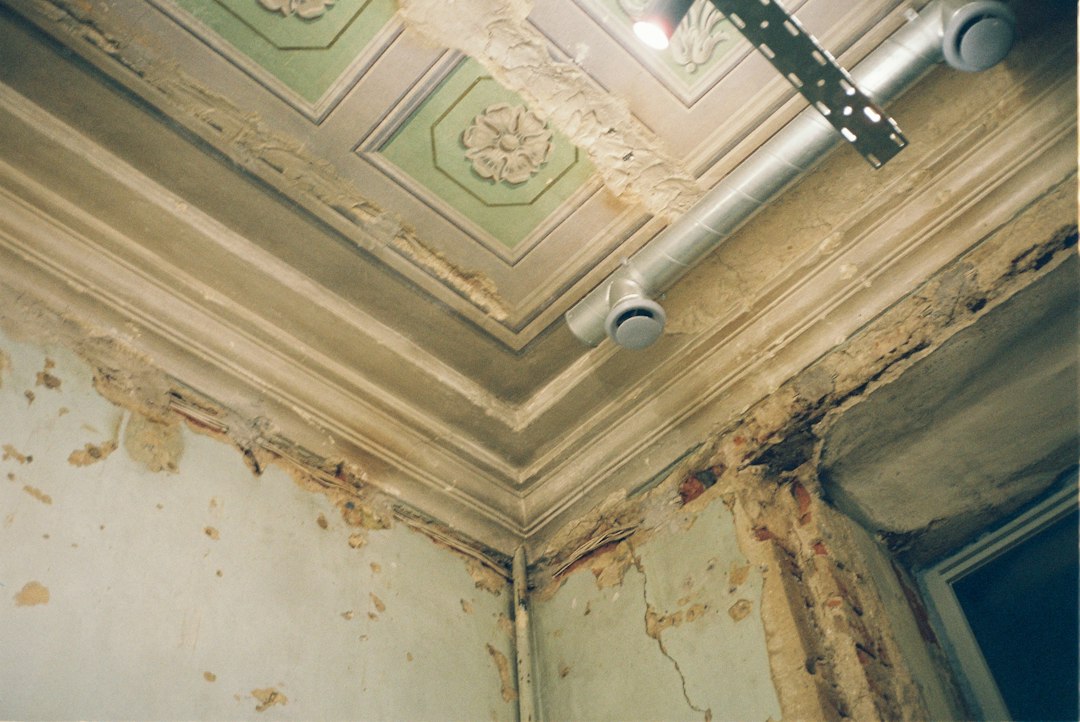
To file a home insurance claim in Quebec, make sure everyone is safe, take reasonable steps to limit further damage, document everything with photos and receipts, and notify your insurer as soon as you become aware of the loss. An adjuster will then assess the damage, you will provide a statement of loss and supporting documents, and the insurer will make a decision. If you disagree, Quebec has a clear complaint path: first the insurer, then the Autorité des marchés financiers (AMF). This step-by-step guide explains each stage for homeowners, condo owners and chalet owners in the Laurentides.
Key takeaways
- Safety first, then mitigate. You are expected to take reasonable measures to prevent further damage, and those costs are often part of the claim.
- Notify promptly. The Civil Code of Québec requires you to notify the insurer of a loss as soon as you become aware of it.
- Document before you clean. Photos, videos, receipts and a detailed contents inventory make your claim faster and stronger.
- Do not throw away damaged items until the adjuster has seen them or approved disposal.
- Ask about additional living expenses if you cannot live in the home during repairs.
- If you disagree, file a written complaint with the insurer, then ask for your file to be transferred to the AMF if unresolved. Keep court limitation periods in mind.
Advertisement
Before anything else: is it worth claiming?
Not every loss should become a claim. If the damage is close to or below your deductible, a claim may bring little benefit and still appear in your claims history, which insurers consider when pricing and renewing. That said, if there is any chance the damage is larger than it looks, such as hidden water damage behind walls, it is generally wise to notify your insurer promptly. Notifying the insurer of a loss is a legal obligation, and you can discuss with the insurer or your broker whether to proceed with a full claim.
Step 1: Make everyone safe
- In case of fire, gas leak, structural collapse or any immediate danger, leave the building and call 911.
- If water is near electrical outlets or panels, do not enter the area. Contact Hydro-Québec or an electrician if needed.
- If the roof is sagging under snow, stay out of the affected area. See our guide on roof, snow load and winter damage for warning signs.
- Do not re-enter a fire-damaged home until the fire department says it is safe.
Step 2: Limit the damage (mitigation)
Once it is safe, you should take reasonable steps to protect the property from further damage. Insurers generally expect this, and the reasonable cost of emergency measures is often covered as part of the claim. Failing to act can complicate the claim for damage that could have been avoided.
Typical mitigation steps
- Water leak: Shut off the main water valve, turn off the water heater, and shut off power to affected areas if safe. Mop up and move belongings to a dry area.
- Roof damage: Arrange emergency tarping. Many roofers offer emergency service; you can find local contractors on toiture.thelaurentides.com.
- Broken windows or doors: Board them up to prevent further damage and theft.
- Sewer backup: Avoid contact with contaminated water; call a restoration professional.
- Frozen pipes: Shut off the water before thawing; a burst pipe often leaks most once it thaws.
- Theft or break-in: Call the police (Sûreté du Québec or your municipal police service) and get a report number. Secure entry points.
Key tip: Keep every receipt for emergency expenses: tarps, pumps, dehumidifier rentals, boarding, hotel nights, meals. Write the date and reason on each one. Avoid major permanent repairs before the insurer has approved them, except what is necessary to prevent further damage.
Step 3: Document everything
Good documentation is the single most important factor in a smooth claim. Do this before cleanup whenever possible.
- Photos and videos: Capture each affected room, wide shots and close-ups, water lines on walls, damaged items, serial numbers on appliances and electronics, and the source of the damage (burst pipe, failed hose, roof opening).
- Keep the cause: If a part failed, such as a washing machine hose, water heater fitting or toilet supply line, keep it. It may be important to determine coverage or a recourse against a manufacturer.
- Notes: Write down the date and time you discovered the damage, what you did, and who you spoke to.
- Weather: For storm, wind or snow claims, note the date and keep any weather alerts or news reports.
- Proof of ownership: Gather receipts, bank or card statements, manuals, boxes and photos showing the items you owned.
Step 4: Notify your insurer promptly
Under the Civil Code of Québec, the insured must notify the insurer of any loss that may give rise to an indemnity as soon as they become aware of it. Most insurers offer 24/7 claims lines and online or app-based claim reporting. If you have a broker, you can also contact them, but many brokers will recommend calling the insurer’s claims line directly in an emergency.
What to have ready when you call
- Your policy number and the address of the insured property.
- Date, time and a short description of what happened.
- What emergency measures you have taken.
- Police report number, if applicable.
- Your contact information and where you can be reached if you have left the home.
Write down the claim number, the name of the person you spoke to and what they told you. Ask what the next steps are and whether you can hire a restoration company yourself or must use one designated by the insurer.
Be accurate and honest
At the insurer’s request, you must inform it of the circumstances of the loss, including its probable cause and the nature and extent of the damage. Stick to the facts you know. If you are unsure about something, say so. The Civil Code provides that a fraudulent or knowingly false statement can cause you to lose your right to an indemnity for the risk to which the statement relates, so never exaggerate a claim.
Step 5: Work with the adjuster
For anything beyond a minor claim, the insurer will assign a claims adjuster. The adjuster may be an employee of the insurer or an independent adjuster hired by it. In Quebec, claims adjusters must hold an AMF certificate and follow a code of ethics overseen by the Chambre de l’assurance de dommages (ChAD).
What the adjuster does
- Visits the property (or reviews photos and videos for smaller claims).
- Determines the cause of the loss and whether it is covered under your policy.
- Assesses the extent of damage to the building and contents.
- May hire experts such as restoration companies, engineers, fire investigators or contractors.
- Explains the coverage, the deductible and the next steps.
- Negotiates the settlement with you.
Tips for the adjuster visit
- Be present and walk through each affected area.
- Show your photos, the failed part, receipts and notes.
- Ask the adjuster to explain which parts of the policy apply and which do not.
- Ask about timelines and what documents you need to provide.
- Ask for important answers by email so you have a record.
- Remember that the adjuster appointed by the insurer works on the insurer’s file. You may hire your own experts, such as a contractor for a second estimate, but that cost is usually yours unless the policy says otherwise.
Step 6: Prepare your contents inventory
For contents claims, you will usually be asked to provide a detailed list of damaged or stolen items. This can be the most time-consuming part of a claim, especially after a fire.
What to include for each item
| Field | Example of what to record |
|---|---|
| Description | Brand, model, size, colour |
| Room / location | Basement family room |
| Quantity | Number of identical items |
| Date and place of purchase | Approximate year, store |
| Purchase price | From receipt or statement, if available |
| Replacement cost | Current price for a similar item |
| Proof | Receipt, photo, manual, card statement |
| Condition | Damaged, destroyed, stolen |
Understand how contents are valued
- Replacement cost: Many policies pay the cost to replace items with new items of similar kind and quality, often on condition that you actually replace them within a set period. Until then, you may receive the depreciated value.
- Actual cash value: Replacement cost minus depreciation for age and wear.
- Special limits: Jewellery, watches, furs, collections, bicycles, cash, securities and some electronics often have per-category limits unless they are scheduled separately.
The best time to prepare an inventory is before a loss. Walk through your home with your phone once a year, record each room, and store the video in the cloud.
Advertisement
Step 7: Additional living expenses
If your home becomes uninhabitable after a covered loss, most home policies include coverage for additional living expenses. This generally covers the reasonable extra costs of maintaining your normal standard of living while repairs are done, such as temporary housing, extra meal costs, additional travel and laundry, minus the expenses you no longer have.
- Ask the insurer early whether this coverage applies and what limit or time limit is in your policy.
- Ask what type of temporary housing is considered reasonable and whether the insurer can help arrange it.
- Keep every receipt and keep a record of your normal expenses for comparison.
- If you need a short-term option nearby while you sort things out, hotels.thelaurentides.com lists accommodation across the region; confirm with your insurer before booking a longer stay.
For chalets and secondary homes, additional living expenses may not apply in the same way, since you normally live elsewhere. If you rent the chalet, loss of rental income may require specific coverage. See our guides to chalet and cottage insurance and short-term rental chalet insurance in Quebec.
Step 8: Statement of loss, repairs and payment
The insurer will typically ask you to complete and sign a statement of loss (sometimes called a proof of loss) describing the loss and the amounts claimed, with supporting documents. Under the Civil Code of Québec, the insurer must pay the indemnity within 60 days after receiving the statement of loss or, if it requested them, the required information and supporting documents.
Repairs to the building
- Clarify who chooses the contractor. Some insurers propose contractors; you may have the right to choose your own, but the insurer will generally want to approve the estimate.
- Get written estimates and make sure the scope matches what the adjuster approved.
- Check that contractors hold a valid licence from the Régie du bâtiment du Québec (RBQ) and carry liability insurance.
- If your mortgage lender is named on the policy, payments for building damage may be issued jointly to you and the lender.
- Keep track of any upgrades you choose to make beyond like-for-like repairs; those costs are usually yours.
Timelines in general terms
Every claim is different, and timelines depend on the size of the loss, the availability of contractors and the completeness of your documents. As general markers:
| Stage | General timeline |
|---|---|
| Notify insurer | As soon as you become aware of the loss |
| Emergency mitigation | Immediately, as soon as it is safe |
| Adjuster contact | Usually soon after the claim is opened; can be longer after major regional storms |
| Provide documents and inventory | As requested by the insurer; ask for a deadline in writing |
| Payment of indemnity | Within 60 days after the insurer receives the statement of loss and requested documents (Civil Code) |
| Insurer’s response to a written complaint | Quebec’s complaint regulation, in force since July 1, 2025, sets deadlines for acknowledgement and final response; ask the insurer for its complaint policy |
| Legal action | Generally subject to a three-year limitation period under the Civil Code; a complaint to the insurer or AMF does not interrupt it |
If you disagree: the complaint process
Disagreements can involve whether the loss is covered, the amount offered, delays, or the way your claim was handled. Here is the usual path in Quebec.
1. Talk to the adjuster and ask for reasons in writing
Ask the adjuster to explain the decision and the specific policy wording relied on. Provide any missing information, such as contractor estimates or proof of ownership. Many disagreements are resolved at this stage.
2. File a written complaint with the insurer
Every insurer must have a complaint processing policy and a person responsible for complaints. Quebec’s Regulation respecting complaint processing and dispute resolution in the financial sector, in force since July 1, 2025, sets rules for how firms handle complaints, including acknowledging receipt and providing a final written response within set timeframes. The AMF recommends that you first raise the issue verbally, then send a written complaint using its complaint form if it is not resolved. Include:
- Your policy and claim numbers.
- A clear description of the problem and what you are asking for.
- Copies (not originals) of supporting documents.
3. Ask for your file to be transferred to the AMF
If you are still dissatisfied after the insurer’s final response, you can ask the insurer to transfer your complaint file to the AMF, using the AMF’s transfer form sent to the insurer. The AMF reviews the file and may offer dispute resolution services such as mediation or conciliation. These processes are voluntary for both parties. The AMF also uses complaints in its supervision of firms. Details and forms are on the AMF’s Making a complaint page.
4. Other options
- Representative conduct: If your concern is about the ethics of an agent, broker or adjuster, you can contact the ChAD.
- Small claims: For smaller amounts, the Small Claims Division of the Court of Québec may be an option.
- Legal advice: For significant disputes, consult a lawyer. Remember that the complaint process does not interrupt the limitation period for going to court.
- General information: The Insurance Bureau of Canada provides consumer information about home insurance and claims.
Key tip: Keep a claim journal: a single document or notebook with every call, email, name, date and decision. If the claim becomes a complaint, this journal becomes the backbone of your file.
Common claim mistakes to avoid
- Waiting days or weeks before notifying the insurer.
- Throwing away damaged items or materials before the adjuster sees them.
- Starting permanent repairs without approval.
- Exaggerating the value of items or including items not damaged.
- Not reading the policy’s water damage, roof and outbuilding sections.
- Accepting a settlement without understanding how it was calculated.
- Forgetting to claim additional living expenses or emergency costs.
Preparing now for a future claim
- Record a video inventory of your home and store it in the cloud.
- Keep digital copies of receipts for major purchases and renovations.
- Save your policy and your insurer’s claims number in your phone.
- Know where your main water shut-off and electrical panel are.
- Maintain your home: roof, plumbing, heating appliances and chimney. See our guides on water damage and sewer backup coverage and wood stoves and fireplaces.
- Review your coverage each year. Our guide on how to shop for home insurance in the Laurentides explains what to compare, and our article on broker vs agent vs direct insurer can help you decide who should help you at claim time.
Advertisement
Frequently asked questions
How long do I have to report a home insurance claim in Quebec?
The Civil Code of Québec requires you to notify your insurer of a loss as soon as you become aware of it. There is no grace period you should count on; report promptly, even if you do not yet know the full extent of the damage.
How long does the insurer have to pay?
Under the Civil Code, the insurer must pay the indemnity within 60 days after receiving the statement of loss or, if it requested them, the required information and supporting documents. Complex claims may take longer to reach that stage.
Can I choose my own contractor?
Often yes, but the insurer will usually want to review and approve the estimate. Ask the adjuster how it works under your policy before you sign a contract.
Will a claim increase my premium?
It can. Insurers consider claims history when pricing and renewing policies. The effect depends on the insurer, the type of claim and your history.
What if my claim is denied?
Ask for the reasons and the policy wording in writing. If you still disagree, file a written complaint with the insurer, then ask for your file to be transferred to the AMF if the issue is not resolved. Keep the court limitation period in mind.
Do I need a public adjuster?
Some people hire their own adjuster or expert for large or complex claims. In Quebec, anyone acting as a claims adjuster for you must be properly certified. Check the AMF register and understand the fees before signing anything.
Want a second opinion on your coverage? Contact us and we will point you in the right direction.
This article is for general information only and is not insurance advice. Always confirm details with a licensed broker or your insurer.