
Quick answer: Yes, you can insure an older home in Quebec, but insurers will look closely at four systems: electrical (knob-and-tube or aluminum wiring, fuse panels), heating (especially oil tanks and wood stoves), the roof and the plumbing. Original or outdated systems can lead to higher premiums, conditions, an inspection requirement or a refusal. Updating these systems, and keeping invoices and certificates that prove the work, is the most effective way to get and keep coverage.
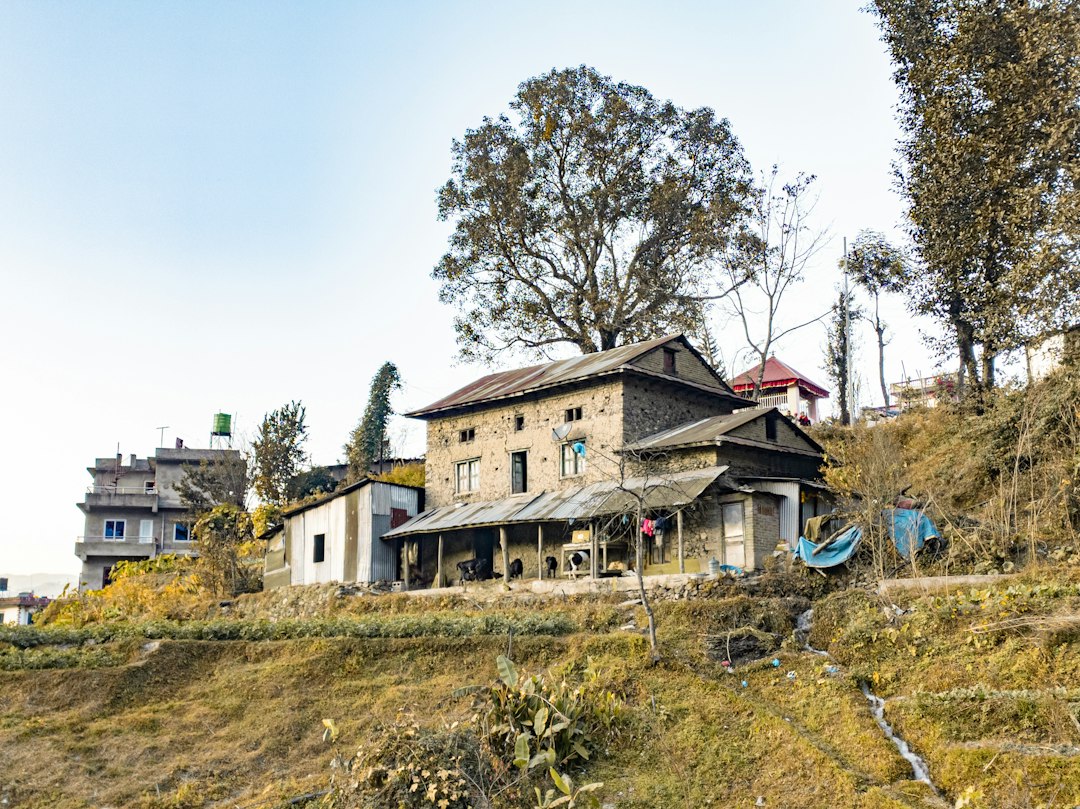
Walk through Saint-Jérôme’s older neighbourhoods, the village cores of Sainte-Agathe-des-Monts, Saint-Sauveur, Sainte-Adèle, Labelle or Mont-Laurier, and you will see plenty of century-old homes, converted farmhouses and post-war bungalows. Many have been lovingly maintained. Others still hide original wiring behind the plaster, an oil tank in the basement or galvanized pipes that have seen better days.
When you buy or renew insurance for an older home, these details matter a great deal. This guide explains what insurers ask about, why certain systems concern them, which upgrades tend to help and how to document your home so the process goes smoothly.
Key takeaways
- Insurers focus on electrical, heating, roof and plumbing: the systems most associated with fire and water losses.
- Knob-and-tube wiring, ungrounded circuits and fuse panels can make an older home harder to insure; many insurers require replacement or an electrician’s assessment.
- Aluminum wiring, common in some homes built in the 1960s and 1970s, may be accepted if properly repaired with compatible connectors; ask your insurer.
- Aging oil tanks are a major concern because leaks can cause costly environmental contamination.
- Insurers ask for the roof’s installation date; CAA-Québec notes asphalt shingles last about 20 to 25 years.
- Keep invoices, permits and certificates for every upgrade; they are your best proof.
- Make the purchase offer conditional on obtaining insurance when buying an older home.
Advertisement
Why is it harder to insure an older home in Quebec?
Age alone is not the problem. A well-maintained 1920s house with updated systems may be easier to insure than a neglected 1985 bungalow. What concerns insurers is the condition and age of the systems that cause the most frequent and costly claims: fire from electrical faults or heating appliances, and water damage from roofs, plumbing and water heaters.
Older homes also cost more to rebuild per square foot in some cases, because of plaster walls, wood trim, unique architectural details and the need to bring repairs up to current building codes. Your dwelling limit should reflect the real cost of rebuilding, not the market value. Our article on the cost of home insurance in Quebec explains how premiums are calculated.
What do insurers ask about an older home?
According to CAA-Québec’s guide to preparing for a home insurance quote, insurers typically ask about:
- the year of construction and general condition of the home;
- the type of electrical panel (breakers or older fuses);
- the type of wiring (copper or aluminum), particularly in homes built before 1980;
- the heating system and its installation date, including oil systems;
- any auxiliary heating such as a wood, gas or pellet stove;
- the roof type and installation date;
- the water heater type and installation date;
- the presence of a backwater valve, sump pump and water leak detectors;
- smoke and carbon monoxide detectors, and any monitored alarm;
- renovations and improvements made over the years;
- prior claims.
Have the answers ready, ideally with dates and documents. Our home insurance checklist for buying a property in the Laurentides goes through each item.
Electrical: knob-and-tube, aluminum wiring and fuse panels
Can you get insurance with knob-and-tube wiring in Quebec?
Knob-and-tube wiring, found in homes built roughly before the mid-20th century, uses individual wires run through ceramic knobs and tubes, without a ground conductor. Over time, insulation can become brittle, connections may have been modified by past owners, and the system was not designed for today’s electrical loads. Many insurers will decline a home with active knob-and-tube wiring, or will insure it only on conditions such as an inspection by a licensed electrician, a higher premium or a deadline to replace it.
If you are buying a home with knob-and-tube, ask your broker before removing the conditions on your offer. Some buyers negotiate the cost of rewiring into the purchase price.
Is aluminum wiring a problem for insurance?
Aluminum branch wiring was used in some homes in the 1960s and 1970s. The main concern is at connections, where aluminum can loosen and overheat if paired with incompatible devices. Insurers’ positions vary: some accept it if a licensed electrician has made repairs with approved connectors and provides a written report, others apply surcharges or restrictions. CAA-Québec specifically mentions that insurers ask about wiring type in homes built before 1980.
Will insurers cover a house with a fuse panel?
Fuse panels are a classic red flag for insurers, partly because of their age and partly because they are often associated with lower-amperage service that struggles with modern demand. Some insurers still accept fuse panels with conditions, while others require an upgrade to a breaker panel. Replacing a fuse panel is generally one of the more straightforward upgrades and often makes a noticeable difference in your insurability.
Electrical work in Quebec must be performed by a licensed master electrician. Keep the invoice and any declaration of work; insurers frequently ask for proof of who did the work and when.
Heating: oil tanks, old furnaces and wood stoves
Why do insurers worry about oil tanks?
Heating oil leaks can contaminate soil, groundwater and neighbouring properties, and decontamination can be very expensive. CAA-Québec notes that oil heating systems raise environmental concerns because a leaking tank can be costly to decontaminate. The OACIQ (Quebec’s real estate brokerage regulator) describes an “aging tank” as generally 15 to 20 years old for an outdoor tank or 25 years for an indoor tank, and warns that aging or poorly maintained tanks can be difficult to insure. It also notes that some oil suppliers refuse to deliver to tanks that are too old or non-compliant.
Insurers commonly ask for the tank’s age, location (indoor, outdoor, underground), material and condition. Many will not insure a home with an underground oil tank, or a tank beyond their age limit, unless it is replaced or removed. If you convert to another heating source, have the old tank properly removed and keep the proof of removal.
What about wood stoves and fireplaces?
Wood heating is very common in the Laurentides and in older homes. Insurers want to know whether the appliance is certified, how it was installed, whether the chimney is inspected and swept regularly and how much wood you burn. Read our full guide on wood stove and fireplace insurance in Quebec.
Advertisement
Roof: age, materials and condition
Insurers ask for the roof type and installation date because a roof at the end of its life is more likely to leak, and wear-related leaks are generally excluded from coverage anyway. CAA-Québec indicates that asphalt shingles last about 20 to 25 years. Older homes in the Laurentides may also have metal roofs, cedar shingles or low-slope sections prone to ice dams.
Some insurers apply depreciation to older roofs in a claim, restrict coverage, or ask for a roofer’s inspection. Replacing an old roof is an expensive project, but it is also one of the upgrades most valued by insurers. For winter-specific issues, see our guide on roof, snow load and winter insurance in the Laurentides, and find regional roofing resources on toiture.thelaurentides.com.
Plumbing: old pipes, water heaters and drains
Water damage is one of the most frequent home insurance claims in Quebec. In older homes, insurers may ask about:
- Supply pipe material: galvanized steel and older materials can corrode from the inside; some types of plastic piping installed in past decades are viewed with suspicion by some insurers.
- Cast iron or clay drains: prone to cracks and root intrusion.
- Water heater age: CAA-Québec notes water heaters last about 10 to 12 years; many insurers ask for the installation date and may impose conditions on older tanks.
- Backwater valve and sump pump: important protections against sewer backup and groundwater.
- Well and septic systems: common outside village centres in the Laurentides.
Our guide to water damage, sewer backup and flood insurance explains what is covered and the endorsements available.
Summary table: older-home systems and insurer attitudes
| System | What insurers commonly ask | Typical concern | Upgrade that usually helps |
|---|---|---|---|
| Knob-and-tube wiring | Is any still active? | Fire risk, no ground | Full rewiring by a licensed electrician |
| Aluminum wiring | Has it been repaired with approved connectors? | Overheating at connections | Electrician’s remediation and written report |
| Fuse panel | Fuses or breakers? Amperage? | Age, overload, tampering | Replace with breaker panel |
| Oil tank | Age, location, material, condition | Leaks and contamination | Replace tank or convert and remove it |
| Wood stove | Certified? Installed by whom? Chimney swept? | Fire | Certified appliance, professional installation, annual sweeping |
| Roof | Material and installation year | Leaks, ice dams | Replacement, documented maintenance |
| Water heater | Installation date | Tank failure | Replacement before end of life, leak detector |
| Plumbing | Pipe materials, backwater valve | Leaks, sewer backup | Re-piping, backwater valve, sump pump |
Which upgrades can lower my premium or make my home insurable?
We cannot predict how much any specific upgrade will reduce your premium, because each insurer has its own rating rules. In general, however, insurers respond favourably to:
- Removing knob-and-tube wiring and replacing fuse panels with breakers.
- Replacing or removing aging oil tanks.
- Replacing an old roof and addressing ice dam issues.
- Updating plumbing and replacing an aging water heater.
- Installing a backwater valve and a sump pump where appropriate.
- Adding water leak detectors with automatic shut-off valves.
- Installing a monitored fire and intrusion alarm.
Before starting, ask your insurer or broker which upgrades matter most to them. If you are unhappy with the answer, compare: our guide on how to shop for home insurance in the Laurentides explains how.
How should I document my older home’s updates?
- Invoices with the contractor’s name, licence number (RBQ licence for contractors), date and description of the work.
- Electrician’s declarations or reports for wiring and panel work.
- Certificates for wood stoves and chimney inspections.
- Proof of oil tank removal or replacement.
- Photos of the new panel, roof, water heater and plumbing.
- The pre-purchase inspection report, which often lists the age and condition of systems.
Store copies in the cloud. If a claim occurs, these documents also help prove the home’s value and condition. For more on the claims process, see our guide on how to file a home insurance claim in Quebec.
Buying an older home in the Laurentides: protect yourself
The OACIQ recommends that buyers’ brokers suggest making the promise to purchase conditional on obtaining insurance confirmation when an aging oil tank is involved. That advice applies more broadly to any older home with questionable systems. A few steps:
- Get insurance quotes before removing conditions, giving the insurer the inspection report.
- Ask the seller for invoices and the claims history.
- Budget for upgrades insurers may require within a deadline.
- If the home will be a chalet or rental, mention it from the start; see our chalet insurance guide.
If an insurer later refuses to renew because of an older system, our guide on cancellation and non-renewal in Quebec explains your options. Explore the region’s villages on thelaurentides.com.
Advertisement
Frequently asked questions
Can I get home insurance with knob-and-tube wiring in Quebec?
It can be difficult. Many insurers decline homes with active knob-and-tube wiring or accept them only with conditions such as an electrician’s inspection, a higher premium or a deadline to replace it. Rewiring generally improves your options significantly.
Do insurers accept homes with fuse panels?
Some do, often with conditions; others require replacing the fuse panel with a breaker panel. Since CAA-Québec lists panel type among the standard quote questions, expect to be asked and be ready to provide details.
How old can an oil tank be for insurance?
Each insurer sets its own limits. The OACIQ generally considers an outdoor tank aging at 15 to 20 years and an indoor tank at 25 years, and notes that aging tanks can be hard to insure. Check your insurer’s rules and keep proof of the tank’s installation date.
Does an old roof affect home insurance?
Yes. Insurers ask for the roof’s installation date and type. An older roof may lead to depreciation in a claim, restrictions or an inspection request. Leaks caused by wear are generally not covered regardless of the roof’s age.
Is a heritage or century home more expensive to insure?
It can be, because rebuilding with similar materials and craftsmanship can cost more, and older systems add risk. Ask your broker whether your policy covers rebuilding with similar materials and whether bylaw or code upgrade costs are included.
Should I tell my insurer when I upgrade wiring, roofing or plumbing?
Yes. Updates can improve your rating, and insurers need accurate information about the home. Send invoices and certificates to your broker or insurer, and ask them to update your file.
Have a question we didn’t answer? Contact us.
This article is for general information only and is not insurance advice. Laurentides Insurance Guide does not sell insurance. Always confirm with a licensed broker or your insurer.