Quick answer: There is no single price for home insurance in Quebec. Your premium is calculated from your own risk profile: the cost to rebuild your home, its location and fire protection, the age of the roof, plumbing and electrical systems, your heating source, your claims history, the deductible you choose and the optional coverages you add. Two houses on the same street in the Laurentides can get very different quotes. The only reliable way to know your cost is to get several written quotes for the same coverage.
“How much is home insurance in Quebec?” is one of the first questions people ask when they buy a house in Saint-Jérôme, move to a bungalow in Blainville or finally sign on a chalet near Mont-Tremblant. It’s a fair question, but the honest answer is that insurers don’t work from a price list. Each company uses its own rating model, and each of those models looks at dozens of details about you and your property.
This guide won’t give you a made-up “average premium.” Instead, it explains exactly what insurers look at, why homes in the Laurentides are sometimes rated differently from homes in Montreal, and what you can actually do to keep your premium reasonable without leaving yourself under-insured.
Key takeaways
- Home insurance prices in Quebec are set individually by each insurer; there is no regulated or standard rate.
- The biggest driver is the reconstruction cost of your home, not its market value or municipal assessment.
- Location matters: distance to a fire hydrant and fire station, flood exposure and local claim patterns all affect the price.
- Wood stoves, older wiring, aging roofs, wells and septic systems can change both the premium and the conditions of coverage.
- Your claims history and the deductible you choose have a direct effect on what you pay.
- Optional coverages (sewer backup, overland water, earthquake, equipment breakdown) add cost but often fill important gaps.
- Comparing quotes only makes sense when the coverage amounts, deductibles and endorsements are identical.
Advertisement
Is there an average cost of home insurance in Quebec?
You will find “average cost” figures on comparison websites, but they are usually based on the site’s own quote requests and vary a lot from one source to another. We don’t publish an average here because it would tell you very little about your own premium. A 1970s split-level heated with a wood stove on a rural road in the Hautes-Laurentides and a new semi-detached house in Mirabel with municipal water simply don’t belong in the same average.
What is more useful is understanding how a premium is built. Once you know the main factors, you can predict whether your quote is likely to be on the higher or lower side, and you can ask better questions when you shop. Our guide on how to shop for home insurance in the Laurentides walks through that process step by step.
What factors affect home insurance premiums in Quebec?
Every insurer weighs the factors differently, but most of them look at the same broad categories. The table below summarizes the most common ones.
| Factor | Why it matters to the insurer | Typical effect |
|---|---|---|
| Reconstruction cost | Sets the maximum the insurer may have to pay to rebuild | Higher rebuild cost = higher premium |
| Location and fire protection | Response time and water supply affect how bad a fire can get | No hydrant or distant fire hall usually costs more |
| Age and condition of roof | Old roofs leak more and fail under snow and wind | Recent roof can help; very old roof may limit coverage |
| Electrical, plumbing, heating | Old wiring and pipes are linked to fire and water claims | Updated systems are viewed more favourably |
| Heating source | Wood and oil heating carry specific fire or spill risks | May require inspection, certification or a surcharge |
| Claims history | Past claims are a predictor of future claims | Recent claims can raise the premium or limit options |
| Deductible | Higher deductible means you absorb more small losses | Higher deductible usually lowers the premium |
| Optional coverages | Each endorsement adds protection for a specific risk | Each one adds cost |
| Occupancy | Vacant homes, rentals and seasonal use are rated differently | Seasonal or rented properties often cost more |
Reconstruction cost vs market value: which one sets the price?
This is the most misunderstood point. Your home insurance is based on what it would cost to rebuild the house with similar materials and quality at today’s construction prices. It is not based on what you paid for it, and not on the municipal assessment. Land is not insured because it doesn’t burn down.
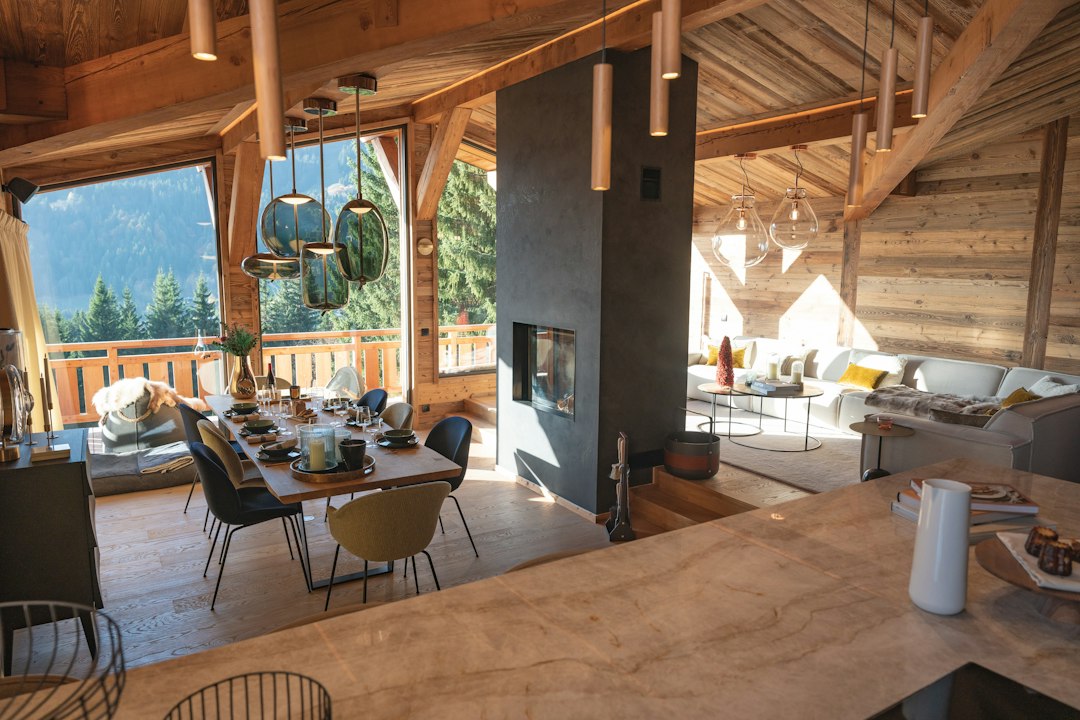
In parts of the Laurentides, the rebuild cost of a custom log home, a timber-frame chalet or a house with high-end finishes can be much higher than people expect. Remote sites can also be more expensive to rebuild because of access, transport and labour availability. If the insured amount is too low, you may be under-insured after a major loss. If it’s too high, you pay for coverage you can’t use. Many insurers use a valuation tool; ask what it assumed about your house and correct anything that’s wrong.
Does living in the Laurentides change my home insurance price?
Location affects the premium in several ways that are especially relevant north of Montreal:
- Fire protection: Many rural properties in municipalities like Val-David, Lac-Supérieur, Wentworth-Nord or around Mont-Laurier are far from a fire hydrant or rely on a volunteer fire service. Insurers take this into account.
- Water exposure: Homes near rivers and lakes (Rivière du Nord, Rivière Rouge, Lac des Sables, Lac Tremblant and many others) may face different rules for overland water coverage.
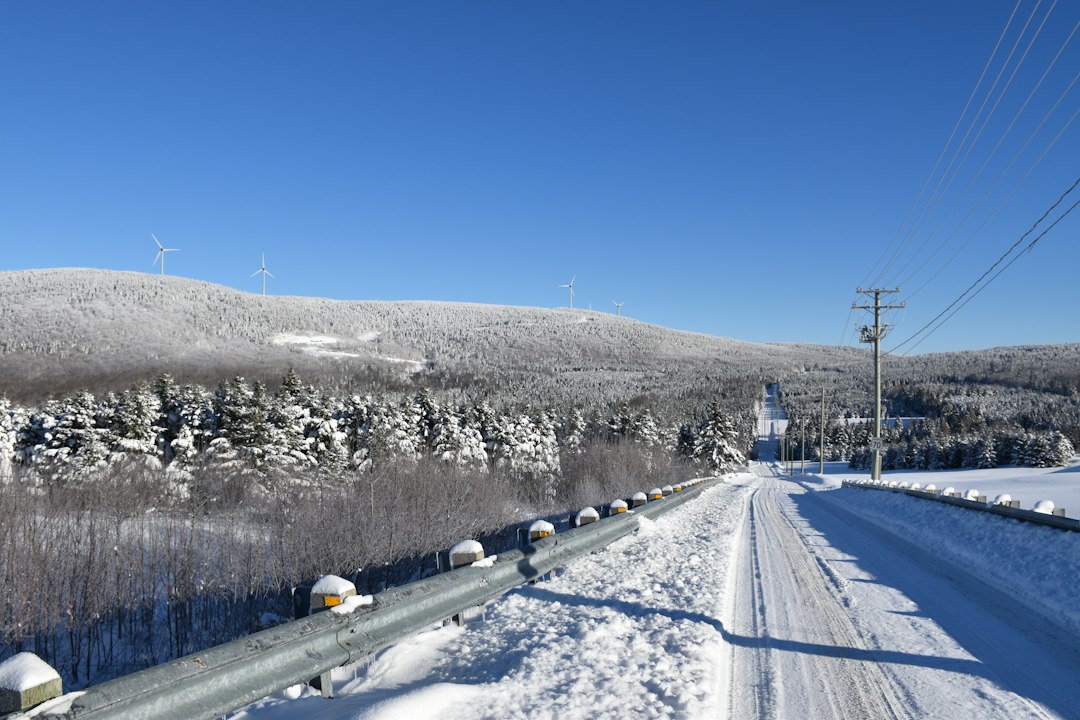
- Winter loads: Heavy snow and ice dams are a real source of claims in the region. See our guide on roof snow load and winter insurance in the Laurentides.
- Trees and storms: Wooded lots mean more exposure to falling branches during wind and ice storms. Our article on storm and tree damage insurance in Quebec explains how these claims usually work.
How much does a wood stove add to home insurance in Quebec?
There’s no fixed surcharge across the market. Some insurers add a premium for a wood-burning appliance, some don’t, and some only accept it if it is properly installed and certified. Most will ask whether the appliance is certified (for example to CSA or EPA standards), who installed it, how often the chimney is swept and whether it is the main or secondary heat source. Failing to declare a wood stove is a serious mistake, because it can affect your claim if there’s a fire. We cover this in detail in wood stove and fireplace insurance in Quebec.
Do wells and septic systems affect the premium?
A private well and septic field don’t automatically make insurance more expensive, but they do change the risk picture. Without municipal water, there’s no hydrant nearby, which affects fire rating. Well pumps and pressure tanks can fail and cause water damage. Septic backups are not the same as municipal sewer backups, and coverage wording can differ. When you get a quote, mention these systems clearly and ask how the policy treats them.
Why is my older home more expensive to insure?
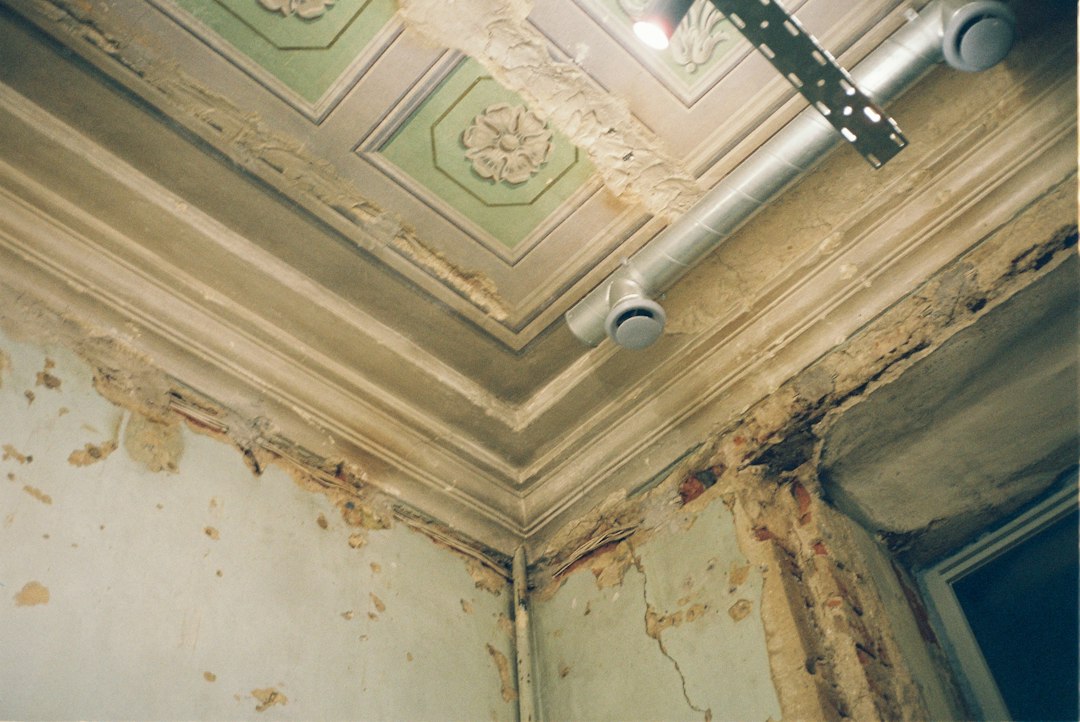
Older homes are not uninsurable, but insurers look closely at the electrical panel (fuses versus breakers, amperage, aluminum or knob-and-tube wiring), the type of plumbing (galvanized steel, lead, polybutylene), the age of the roof and the heating system. Updating these items, and keeping the invoices, often makes a difference. Our upcoming guide on insuring an older home in Quebec goes deeper.
Advertisement
How does my claims history affect my home insurance cost?
Insurers share claims information through industry databases, and your past claims follow you when you change companies. A recent water damage claim, for example, may raise your premium or lead an insurer to impose a higher water deductible. This is one reason some homeowners choose not to claim small losses that are close to their deductible. That’s a personal decision, but it’s worth thinking about before calling your insurer for a minor repair. Our guide on how to file a home insurance claim in Quebec explains what to consider.
Under the Civil Code of Québec, you also have a duty to disclose relevant facts to your insurer when you apply (article 2408) and to notify it of changes that increase the risk (article 2466). Hiding a past claim or a renovation to save money can backfire badly. You can read the insurance provisions directly on LégisQuébec.
Does my credit score affect home insurance in Quebec?
Some insurers in Quebec use a credit-based score as one rating factor, but only with your consent. According to CAA-Quebec, you have the right to refuse, and the insurer must still respond to your quote request; refusing may mean you don’t get the lowest available premium. The check that insurers do is not the same as a lender’s hard inquiry, according to the same source.
How do deductibles change the price of home insurance?
The deductible is the amount you pay out of pocket on a claim before the insurer pays the rest. A higher deductible generally lowers your premium because you take on more of the small losses yourself. Many Quebec policies now have a general deductible plus separate, higher deductibles for specific perils like water damage or sewer backup.
Before raising your deductible, ask yourself whether you could comfortably pay that amount tomorrow if your water heater burst. Saving a little each year is not worth it if a claim would put you in financial trouble.
Which optional coverages increase the premium (and are they worth it)?
A basic policy doesn’t cover everything. Common add-ons include:
- Sewer backup: water that comes back up through floor drains or plumbing from the sewer system.
- Overland water / flood: water entering from the surface, such as an overflowing river or lake. According to the Insurance Bureau of Canada, some Quebec insurers began offering this coverage in 2017, and availability can depend on your flood zone.
- Ground water / water infiltration: offered by some insurers, with varying conditions.
- Earthquake: generally excluded unless added by endorsement.
- Equipment breakdown, service lines, identity theft and other extras.
Each of these adds to the cost, but some of them address risks that are very real in the Laurentides. For more on water-related coverage, read water damage, sewer backup and flood insurance in the Laurentides, and see our list of common home insurance exclusions in Quebec.
Is insurance more expensive for a chalet or cottage?
Secondary residences are often priced differently than a principal residence. A chalet may sit empty for weeks, which means a frozen pipe or a small leak can go unnoticed. It may also be far from fire services and heated with wood. Many insurers have specific conditions for seasonal homes, such as requiring regular inspections or keeping the heat on during winter. If you rent it out on Airbnb or similar platforms, you’ll need to tell your insurer; ordinary homeowner policies may not cover commercial rental activity.
See chalet and cottage insurance in the Laurentides and short-term rental chalet insurance in Quebec. If you’re looking for chalets in the region, our sister site chalets.thelaurentides.com covers rentals and properties.
How can I get the lowest fair price on home insurance in Quebec?
- Get at least three quotes for identical coverage: same rebuild amount, liability limit, deductibles and endorsements.
- Use a broker and a direct insurer to see different parts of the market. Our article on broker vs agent vs direct insurers in Quebec explains the difference.
- Ask about discounts: bundling home and auto, monitored alarms, water leak detectors, automatic water shut-off valves, claims-free history, new roof, updated wiring.
- Keep proof of upgrades: roof replacement invoices, electrical permits, chimney sweep receipts and stove certification.
- Review your rebuild amount every year; under-insuring is not a real saving.
- Consider a higher deductible only if you can afford it.
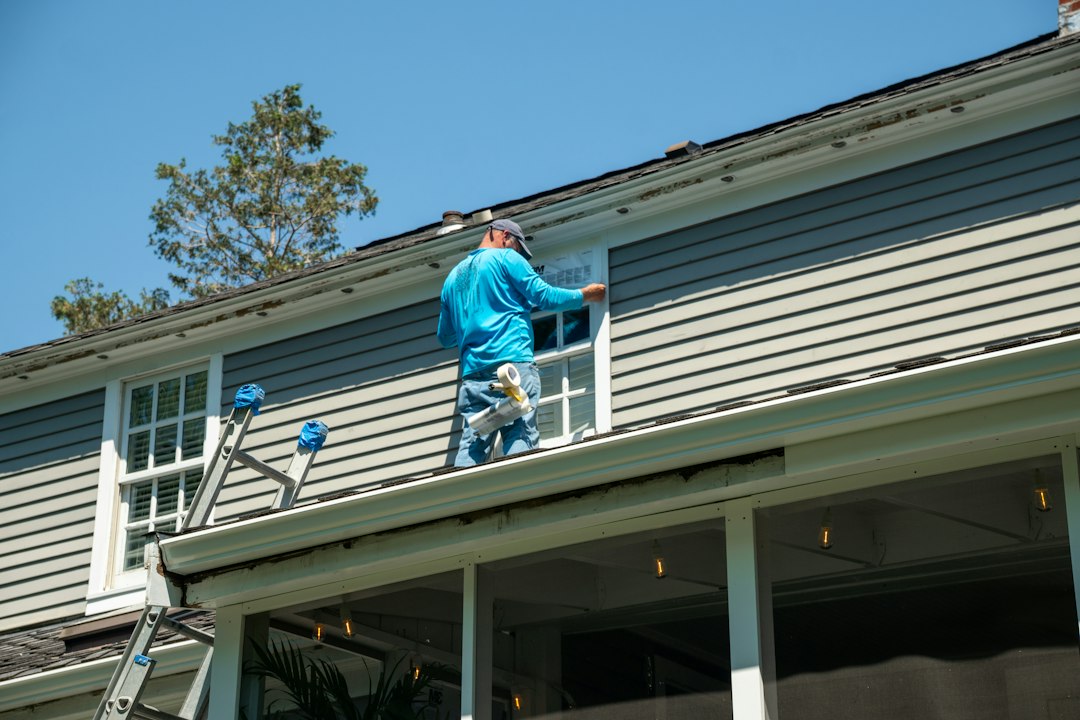
- Maintain the property: snow removal on roofs, gutters, sump pumps and backflow valves reduce claims, which helps your premium over time.
Buying a property? Our home insurance checklist for buying a property in the Laurentides lists the documents and inspections that help get a quote before your notary appointment.
Tip: When comparing quotes, put them side by side in a simple spreadsheet. List the rebuild amount, contents amount, liability limit, each deductible and each endorsement. The cheapest quote is often cheaper because it covers less.
Who regulates home insurance prices in Quebec?
Home insurance rates in Quebec are not set by the government. Insurers set their own prices. The Autorité des marchés financiers (AMF) supervises insurers and the professionals who sell insurance, and it publishes consumer information. You can use the AMF register to check that a broker or agent is properly certified before you buy.
Advertisement
Frequently asked questions
Why did my home insurance go up even though I didn’t make a claim?
Premiums can rise because of higher construction costs (which increase your rebuild amount), changes in the insurer’s claims experience in your area, more severe weather events, or a change in your profile. Ask your insurer or broker to explain the increase and compare quotes at renewal.
Is home insurance mandatory in Quebec?
No law requires a homeowner to have home insurance, but your mortgage lender will almost always require it, and condo co-owners must carry civil liability insurance. See which insurance is mandatory in Quebec.
Does the municipal assessment determine how much insurance I need?
No. The municipal assessment includes the land and reflects market value for tax purposes. Insurance should be based on the cost to rebuild the building and replace your belongings.
Is it cheaper to bundle home and auto insurance?
Many insurers offer a multi-policy discount, but the combined price isn’t always the lowest. Compare the bundle against separate policies from different insurers before deciding.
Do water leak detectors lower home insurance?
Some insurers offer discounts or better conditions for water leak detectors or automatic shut-off valves, especially for chalets. It varies by company, so ask directly.
Can an insurer refuse to insure my house?
Yes. Insurers can decline a risk, for example because of an old roof, uncertified wood stove, previous claims or vacancy. If that happens, try other insurers or a broker who has access to specialized markets. Read more in insurance cancellation and non-renewal in Quebec.
Have a question we didn’t answer? Contact us.
This article is for general information only and is not insurance advice. Laurentides Insurance Guide does not sell insurance. Always confirm with a licensed broker or your insurer.