

Category: Insurance Guides

In-depth guides to home, chalet, rental and auto insurance in the Laurentides, Quebec.

  • How to Lower Your Car Insurance in Quebec: 15 Legitimate Ways

    How to Lower Your Car Insurance in Quebec: 15 Legitimate Ways

    Quick answer: The most effective legitimate ways to lower car insurance in Quebec are to compare quotes every renewal, adjust your deductibles, drop or adjust physical damage coverage on older vehicles, bundle with home insurance, try a usage-based (telematics) program, keep a clean driving record, declare your real annual mileage and ask about every available discount. Never lie about who drives the car or where it’s parked: misrepresentation can void your coverage when you need it most.

    Car insurance in Quebec works a little differently from the rest of Canada. Bodily injury is covered by the public plan run by the Société de l’assurance automobile du Québec (SAAQ), while damage to property and your own vehicle is covered by private insurers. That means the part of your auto insurance you can actually shop around and reduce is the private policy.

    For drivers in the Laurentides, where commuting from Saint-Jérôme or Mirabel to Montreal on the 15, or driving the 117 to Mont-Laurier, is part of daily life, car insurance is a significant expense. Here are 15 legitimate ways to reduce it, without cutting corners that could hurt you after an accident.

    Key takeaways

    • In Quebec, the SAAQ covers bodily injury; private insurers cover property damage and your vehicle.
    • The minimum civil liability for property damage required by law is $50,000, but most drivers carry much more.
    • Shopping around and adjusting deductibles are usually the fastest ways to save.
    • Telematics programs can reward safe driving but also collect data; read the terms.
    • Discounts vary by insurer: always ask for them explicitly.
    • Honesty matters: false declarations can lead to a refused claim or a cancelled policy.

    Advertisement

    How does car insurance work in Quebec?

    Quebec’s system combines public and private coverage under the Automobile Insurance Act, available on LégisQuébec:

    Coverage Who provides it Mandatory?
    Bodily injury to people in a road accident (in Quebec or elsewhere, regardless of fault) SAAQ (public plan) Yes, funded through licence and registration fees
    Civil liability for property damage (Chapter A) Private insurer Yes, minimum $50,000
    Damage to your own vehicle: collision, theft, fire, etc. (Chapter B) Private insurer No by law, but often required by lenders and leasing companies
    Endorsements (rental car, replacement cost, etc.) Private insurer Optional

    You can learn more about the public plan on the SAAQ website. Our guide to auto insurance in the Laurentides explains the structure in more detail, and our page on mandatory insurance in Quebec covers what the law requires.

    15 legitimate ways to lower your car insurance in Quebec

    1. Compare quotes at every renewal

    Insurers price risk differently, and the same driver can receive very different quotes from different companies. Loyalty isn’t always rewarded. Request at least three quotes for identical coverage (same liability limit, same deductibles, same endorsements) about a month before renewal. Using both a broker and a direct insurer gives you a broader view of the market. Read broker vs agent vs direct insurers in Quebec.

    2. Raise your deductibles (carefully)

    The deductible is what you pay on a claim before the insurer pays. Raising your collision and comprehensive deductibles usually lowers your premium. Only do this if you could comfortably pay the higher deductible if you hit a deer on the 117 or slid into a ditch in January.

    3. Reconsider collision coverage on an older car

    If your vehicle is older and worth relatively little, the cost of collision coverage over a few years may approach what the insurer would actually pay after a total loss. Compare the car’s realistic value with the cost of Chapter B coverage. If your car is financed or leased, your contract probably requires this coverage, so check before removing it.

    4. Bundle your home and auto policies

    Many insurers offer a multi-line discount when you insure your home, condo or apartment with them. Get a bundled quote, but also compare it with the best separate quotes. Sometimes two different insurers are still cheaper. See what affects home insurance cost in Quebec and tenant insurance in Quebec.

    5. Try a usage-based (telematics) program

    Several insurers in Quebec offer programs that use a smartphone app or a device to measure driving habits such as hard braking, acceleration, speed and time of day. Good results can lead to a discount. Read the terms carefully: understand what data is collected, how it’s used and whether your premium can increase with poor results. These programs suit calm, predictable drivers more than night-shift commuters.

    6. Keep a clean driving record

    Traffic violations and at-fault accidents generally lead to higher premiums for several years. Insurers can check your driving record with your consent. Avoiding speeding tickets and distracted driving fines is one of the most powerful long-term savings strategies, and it keeps you safe.

    7. Declare your real annual mileage and usage

    If you’ve switched to remote work, retired, or stopped commuting to Montreal, tell your insurer. Lower annual mileage and pleasure-only use often lead to a lower premium. Conversely, under-declaring your mileage or use is misrepresentation and can cause problems with claims.

    8. List drivers accurately

    Adding a young driver raises the premium, but hiding them is risky. If an undeclared principal driver has an accident, the insurer may refuse the claim or cancel the policy. Under the Civil Code of Québec, you must disclose facts that would influence the insurer’s assessment of the risk. Instead, ask about discounts for young drivers who complete a recognized driving course or are good students, where offered.

    9. Choose your next car with insurance in mind

    Before buying, get insurance quotes for the models you’re considering. Repair costs, theft rates, safety ratings and parts availability all affect premiums. Some models that are frequently stolen may also require an anti-theft or tracking system as a condition of coverage.

    10. Install an approved anti-theft system

    Vehicle theft has been a concern in Quebec in recent years. Some insurers offer discounts for engraving/marking systems or GPS tracking devices, and some require them for certain vehicles. Ask your insurer which systems they recognize before buying one.

    11. Ask for every discount you might qualify for

    Discounts vary greatly from one insurer to another. Possible discounts include:

    • Multi-vehicle discount
    • Claims-free or loyalty discount
    • Professional association, alumni or employer group plans
    • Electric or hybrid vehicle discount
    • Winter tires (even though they’re mandatory in season, some insurers still reward them)
    • Paying annually rather than monthly, if the insurer charges fees for monthly payments

    12. Review your optional endorsements

    Endorsements such as rental car coverage, replacement cost (new-for-old) or loss-of-use can be valuable, but check whether you still need each one. For example, replacement cost coverage is time-limited and may no longer make sense on an older vehicle. Don’t remove liability or coverage you truly need just to save a little.

    13. Increase liability only where it’s cost-effective

    This one sounds backwards, but it’s about value. The legal minimum is $50,000, which is low compared to the cost of damaging a modern vehicle or property. Higher liability limits often cost relatively little more. Review your limit so you’re not paying for a policy that leaves you exposed.

    14. Avoid small claims when it makes financial sense

    Under Quebec’s direct compensation agreement, when another identified vehicle is involved, you usually deal with your own insurer for vehicle damage, and responsibility is determined using standardized rules. At-fault claims can affect your premium. For very small damages close to your deductible, some drivers choose to pay out of pocket. Weigh the cost of the repair against the potential premium impact before deciding.

    15. Prepare your car for Laurentides winters

    Fewer accidents mean fewer claims and lower premiums over time. Winter tires are mandatory in Quebec from December 1 to March 15, according to Québec.ca, but many drivers in the Hautes-Laurentides install them earlier given early snowfalls. Keep your windows and roof clear of snow, slow down on the 15 and 117, and watch for wildlife at dusk. These habits protect your record and your wallet.

    Advertisement

    What not to do to save on car insurance

    Some “tricks” circulate online, but they can cost you much more than they save:

    • Insuring the car in a parent’s name when you’re the main driver (“fronting”).
    • Using a fake address in a lower-risk area.
    • Hiding modifications, a business use, or delivery work.
    • Not disclosing a previous cancellation or a licence suspension.

    False statements can lead to a refused claim or cancellation, and a cancellation can make it harder to get insurance afterward. Read our guide on insurance cancellation and non-renewal in Quebec.

    Car insurance considerations for Laurentides drivers

    Long commutes

    Many residents of Saint-Jérôme, Mirabel, Saint-Colomban or Prévost commute to Laval or Montreal. Commuting distance and annual mileage are rating factors. If your commute changes, inform your insurer.

    Wildlife collisions

    Collisions with deer and moose are a real risk on rural roads in the Laurentides. Damage from hitting an animal is commonly handled under the comprehensive or “all perils” part of Chapter B, depending on your policy. If you remove that coverage to save money, you’d pay this damage yourself.

    Recreational vehicles

    If you own a snowmobile, ATV or boat, it usually needs its own insurance. Bundling it with your car insurance may lead to savings. See snowmobile insurance in Quebec and boat insurance in Quebec.

    Before each renewal, take 20 minutes to review your policy: drivers, vehicle use, mileage, deductibles and endorsements. Small updates often lead to real savings.

    Who can help if I have a problem with my car insurer?

    Start with your insurer’s complaint process. If you’re not satisfied, the Autorité des marchés financiers (AMF) provides information and can review complaints about insurers and representatives. For questions about bodily injury compensation, contact the SAAQ. Organizations such as CAA-Quebec also publish consumer tips on car insurance.

    Advertisement

    Frequently asked questions

    What is the minimum car insurance required in Quebec?

    Private civil liability insurance for property damage of at least $50,000 is mandatory. Bodily injury is covered by the SAAQ public plan.

    Why is car insurance cheaper in Quebec than in some other provinces?

    Part of the explanation is that bodily injury is covered by the public SAAQ plan and is not part of the private premium, and there’s no lawsuit system for bodily injury between drivers. Your private premium covers property damage and your vehicle.

    Do insurers in Quebec use my credit score for car insurance?

    Some do, but only with your consent. According to CAA-Quebec, you can refuse, and the insurer must still give you a quote, though it may not be the best available price.

    Does a speeding ticket affect my insurance in Quebec?

    Traffic convictions can lead to higher premiums at renewal, depending on the insurer and the offence. Serious offences have a bigger impact.

    Is it worth joining a telematics program?

    It can be if you drive smoothly, rarely at night, and are comfortable sharing driving data. Read whether the program can increase your premium and how long the data is kept.

    Can I pause my car insurance in winter if I don’t drive?

    Some owners of seasonal vehicles (like summer cars or motorcycles) can reduce coverage when the vehicle is stored, for example by keeping only comprehensive coverage. Ask your insurer; don’t simply cancel, since the vehicle may still need coverage in storage.

    Have a question we didn’t answer? Contact us.

    This article is for general information only and is not insurance advice. Laurentides Insurance Guide does not sell insurance. Always confirm with a licensed broker or your insurer.

  • Condo Syndicate Insurance in Quebec: Requirements & Coverage

    Condo Syndicate Insurance in Quebec: Requirements & Coverage

    Co-ownership insurance in Quebec works in two layers. The syndicate of co-owners must insure the whole building, including private portions as originally built, for its reconstruction cost, plus its own and its directors’ liability. Each co-owner must carry civil liability of at least $1 million (fewer than 13 units) or $2 million (13 or more), plus their own coverage for belongings and improvements.

    Buying a condo in Blainville, Saint-Jérôme or a ski-in unit near Mont-Tremblant raises a confusing question: if the syndicate already insures the building, what do I need to buy? Quebec’s co-ownership rules were overhauled by a 2018 law (Bill 141), with insurance obligations phased in between 2018 and 2022. The result is a clearer, but more demanding, system for both the syndicate and each co-owner.

    This guide explains what the Civil Code of Québec now requires from the syndicate (syndicat de copropriété), what remains your responsibility, and how deductibles and the self-insurance fund work.

    Key takeaways

    • The syndicate must insure the entire building, including private portions but not co-owner improvements, for its reconstruction cost.
    • That amount must be assessed by a chartered appraiser at least every five years.
    • The syndicate must also insure its own liability and that of its directors, manager and meeting officers.
    • Co-owners must carry civil liability of $1M (fewer than 13 units) or $2M (13 or more).
    • Every syndicate must maintain a self-insurance fund to pay deductibles.
    • A co-owner at fault can be asked to pay the syndicate’s deductible.

    Syndicate of co-owners insurance: what the law requires

    Since Bill 141 was adopted on June 13, 2018, the Civil Code and its regulation (CCQ, r. 4.1) set precise obligations for the syndicate. Here they are, as summarized by the AMF, the ChAD and the OACIQ.

    1. Property insurance for the whole building, at reconstruction cost

    The syndicate has an insurable interest in the entire building, including the private portions. It must insure the building, common portions and common property against the usual risks, with a reasonable deductible, for an amount sufficient to rebuild the building in line with current standards and good practice. This is often loosely called “replacement cost”; the legal benchmark is reconstruction cost. Improvements made by co-owners are excluded from the syndicate’s policy.

    2. Appraisal every five years

    Since April 15, 2021, the reconstruction cost must be assessed by a member of the Ordre des évaluateurs agréés du Québec at least every five years, whatever the size of the building. The declaration of co-ownership can require more frequent appraisals. An outdated value can leave everyone under-insured after a major fire.

    3. Minimum risks covered

    Unless expressly excluded, the syndicate’s property policy must cover:

    • theft, fire, lightning, storm, hail and explosion;
    • leaks and overflows from sanitary facilities and appliances connected to the building’s water pipes;
    • strike, riot or civil disturbance;
    • impact of an aircraft or vehicle;
    • vandalism or malicious acts.

    Syndicates with a policy already in force on April 15, 2021 had to comply at expiry, by April 15, 2022 at the latest.

    4. Syndicate and directors’ liability

    The syndicate must insure its own third-party liability and that of its directors, the manager, the chair and secretary of general meetings, and others responsible for their proper conduct.

    5. Working with a professional, reporting losses

    According to the AMF, the syndicate must deal with a damage insurance agent or broker in commercial lines and give co-owners a copy of the contract. It must report a loss to its insurer as soon as it becomes aware of it, even if it doesn’t intend to claim, and disclose information that could affect the insurer’s assessment of the risk.

    6. Repairs, even without a claim

    The syndicate may decide not to claim, for example when the damage is close to the deductible. It must then still ensure the damage is repaired promptly. In that case it cannot sue a co-owner or household member for damage its insurer would have covered, and the costs are shared through common expenses, subject to a claim against a co-owner at fault.

    7. Other obligations that affect insurance

    • a sufficiently precise description of the private portions (the “unit of reference”) kept in the register (art. 1070 C.C.Q.);
    • a maintenance log and a contingency fund study reviewed at least every five years;
    • a syndicate certificate provided within 15 days when a co-owner requests it for a sale.

    Advertisement

    The self-insurance fund and deductibles

    Since April 15, 2022, co-owners must contribute to the syndicate’s self-insurance fund (fonds d’autoassurance), a liquid fund available on short notice. It pays the syndicate’s deductibles and covers damage when insurance or the contingency fund is not enough. Contributions are shared according to the relative value of each unit.

    Fund balance compared with the highest deductible* Minimum total contribution for the year
    Equal to or above the deductible None required
    Above 50% but below the deductible The difference between the deductible and the fund
    50% or less of the deductible 50% of the deductible

    *Earthquake and flood deductibles are excluded from the calculation, according to the AMF and ChAD. The regulation also provides some flexibility once the fund reaches $100,000. A syndicate can always ask for more than the minimum.

    Example from the ChAD: with a $100,000 deductible and an empty fund, the minimum contribution is $50,000 a year, so it takes about two years to build up. After the fund pays a deductible, it must be replenished.

    Who pays the deductible after water damage?

    Normally the syndicate, through the self-insurance fund; deductibles are a common expense. But if a co-owner causes the loss through their fault, including by people or property under their responsibility, the syndicate can claim the deductible and costs above the policy limits from that co-owner. Without fault, it cannot pass those costs on to them. The ChAD also explains that insurers generally cannot use subrogation against the syndicate, co-owners, their household or the people the syndicate must insure, except for bodily or moral injury, intentional fault or gross fault.

    Co-ownership insurance for co-owners: what’s mandatory

    Since October 15, 2020, every divided co-owner must carry civil liability insurance (existing policies had until renewal, by October 15, 2021 at the latest):

    Size of the co-ownership Minimum co-owner civil liability
    Fewer than 13 units (fractions) $1,000,000
    13 units or more $2,000,000

    Insurance for belongings and improvements isn’t required by law, but your declaration of co-ownership or lender may require it. See mandatory insurance in Quebec.

    What your own condo policy should cover

    Item Syndicate policy Your co-owner policy
    Structure and common portions Yes No (except loss assessment)
    Private portion per the unit of reference Yes Optional; syndicate’s policy is primary
    Your improvements and upgrades No Yes, if declared
    Furniture and belongings No Yes
    Your civil liability No Yes (mandatory minimum)
    Additional living expenses No Usually
    Your share of a loss assessment No Often, within limits

    Your policy (assurance copropriétaire) typically covers improvements beyond the unit of reference, such as wooden cabinets replacing melamine or a ceramic shower replacing a moulded one (examples given by the AMF). Note that loss assessment coverage generally applies only if you carry the underlying coverage: no sewer backup coverage, no sewer backup assessment. See water damage and sewer backup insurance in the Laurentides.

    Laurentides points to check

    • Ski and resort condos (Mont-Tremblant, Saint-Sauveur): short-term rental may be restricted by the declaration and changes your insurance. See short-term rental insurance in Quebec. Renting long term? Read landlord insurance in Quebec.
    • Winter water damage: ice dams on flat roofs, frozen garage sprinkler lines and burst pipes can hit several units. Leak detectors with automatic shut-off are increasingly encouraged.
    • Riverside projects: near the Rivière du Nord or lakes, ask how flood risk is handled at the building level and in your own policy.

    A typical water-damage scenario

    1. A washer hose bursts in a third-floor unit; water damages the unit below and a hallway.
    2. The syndicate is notified, reports the loss and arranges emergency drying.
    3. The syndicate’s insurer repairs common portions and private portions per the unit of reference, minus the deductible.
    4. Each co-owner’s insurer handles their belongings, improvements and living expenses.
    5. If the upstairs owner was at fault, the syndicate may claim its deductible from them; their liability coverage may respond.

    For the claim process, read how to file a home insurance claim in Quebec.

    Before buying a condo: insurance checklist

    1. The syndicate’s insurance contract: insurer, amount, deductibles (including water damage) and renewal date.
    2. The date of the last reconstruction cost appraisal.
    3. The self-insurance fund balance versus the highest deductible.
    4. The unit of reference for your unit type.
    5. Recent claims in the minutes; insurers have become more selective with buildings that have many claims.
    6. The declaration’s rules on renovations, rentals and deductibles.
    7. The contingency fund study and planned work.

    Then compare at least three quotes and check your representative on the AMF registers.

    Advertisement

    Frequently asked questions

    What insurance must a syndicate of co-owners have in Quebec?

    Property insurance on the entire building, including private portions but excluding improvements, for its reconstruction cost with a reasonable deductible, plus liability insurance for the syndicate, its directors, the manager and meeting officers.

    How often must the building’s insured value be appraised?

    At least every five years, by a member of the Ordre des évaluateurs agréés du Québec. The declaration of co-ownership can require more frequent appraisals.

    What is the minimum co-owner liability insurance in Quebec?

    At least $1,000,000 if the building has fewer than 13 units, and at least $2,000,000 if it has 13 or more. This has applied since October 15, 2020.

    Can the syndicate make me pay its deductible?

    Only if the damage results from your fault, or that of people or property you’re responsible for. Otherwise, deductibles are paid through the self-insurance fund as a common expense.

    What is a self-insurance fund?

    A liquid fund every syndicate must maintain to pay its insurance deductibles and certain uninsured repairs. Co-owners have had to contribute since April 15, 2022, based on the relative value of their unit.

    Does the syndicate’s insurance cover my condo’s interior?

    It covers the private portion as described in the unit of reference. Your improvements, belongings and personal liability require your own co-owner policy.

    Have a question we didn’t answer? Contact us.

    Sources: AMF: insuring your condo unit and building, ChAD: co-ownership, LégisQuébec: CCQ, r. 4.1, OACIQ: co-ownership insurance, overview of the new rules

    This article is for general information only and is not insurance advice. Laurentides Insurance Guide does not sell insurance. Always confirm with a licensed broker or your insurer.
  • Tenant Insurance Quebec: Coverage, Cost & Quotes

    Tenant Insurance Quebec: Coverage, Cost & Quotes

    Tenant insurance in Quebec is not mandatory under any law, but a landlord can require it through a clause in the lease, and once you sign, that clause binds you. Even when nobody asks for it, renters insurance is the only thing that protects your belongings and your civil liability: the landlord’s policy covers the building, not you or the damage you might cause.

    Every July 1st, thousands of Quebecers move, and many of them sign a lease with a line asking for “proof of tenant insurance.” In the Laurentides, the same question comes up for people renting a duplex in Saint-Jérôme, a basement apartment in Blainville, a condo in Mirabel or a room in a house near Sainte-Agathe-des-Monts (local guides: TheLaurentides.com). Is that request legal? Do you really need renters insurance? What does it cost, and what does it cover?

    This guide explains what the law says, what your landlord can and can’t require, how the Tribunal administratif du logement (TAL) rules work for lease changes, and how to pick the right coverage.

    Key takeaways

    • Tenant insurance (assurance locataire) is not mandatory by law in Quebec.
    • A landlord can require it in the lease; if you sign that clause, you must comply and may be asked for proof.
    • Adding the requirement at renewal follows the formal lease-modification notice rules, and you can refuse.
    • A policy has three main parts: belongings, civil liability and additional living expenses.
    • Liability limits of $1M to $2M are typical, and the price gap between the two is often small.
    • Unrelated roommates should check whether each person is named or needs their own policy.

    Is tenant insurance mandatory in Quebec?

    No. No Quebec or federal law obliges a residential tenant to buy insurance. The Civil Code of Québec governs residential leases, and it does not impose tenant insurance on its own. But a lease is a contract, and landlord and tenant can agree to additional conditions, as long as they’re legal and not abusive.

    In practice, more and more landlords add an insurance clause. Promutuel Assurance, in a guide for landlords, confirms that tenants aren’t legally obliged to have renters insurance, but that a landlord has the right to include a lease clause requiring it and to ask for proof. The Chambre de l’assurance de dommages (ChAD) also notes that landlords increasingly ask for proof of liability coverage. For the insurance products that are required by law, see mandatory insurance in Quebec.

    Do I need renters insurance if my lease doesn’t require it?

    Legally, no. Practically, most people do. According to the ChAD, citing an Insurance Bureau of Canada survey, more than one in three tenants has no home insurance at all. Those tenants carry the full cost of a fire, theft or water leak themselves, including damage they cause to other units.

    Lease clauses and TAL rules: what your landlord can require

    When you sign a new lease

    If the insurance clause is written in the lease you sign, it forms part of your agreement. The clause may set a minimum liability amount and ask you to send proof at move-in and at each renewal. Read it before signing: if you disagree, that’s the moment to discuss it.

    During the lease

    A landlord can’t unilaterally add an insurance requirement in the middle of a lease you’ve already signed. Promutuel notes that adding such a clause mid-term could be considered unfair under the Civil Code if the tenant disputes it.

    At renewal

    Adding an insurance clause at renewal is a lease modification. According to Éducaloi, for a lease of 12 months or more:

    1. The landlord sends a written notice 3 to 6 months before the lease ends, listing the proposed changes.
    2. You have one month from receiving it to reply in writing: accept, refuse, or announce that you’re leaving.
    3. If you don’t reply in time, you’re considered to have accepted the changes.
    4. If you refuse, the lease renews. The landlord can do nothing (same conditions), negotiate, or apply to the TAL within one month of your refusal.

    Exception: in a housing co-op, or in a building newly built or converted to rental housing within the last five years, a tenant who refuses the changes must leave at the end of the lease. For your specific case, the Tribunal administratif du logement (formerly the Régie du logement) is the reference.

    Advertisement

    What does tenant insurance cover in Quebec?

    A standard renters policy has three main parts:

    Coverage What it protects Example
    Personal property (contents) Your belongings at home, and often temporarily elsewhere Laptop and furniture destroyed by fire; bike stolen
    Civil liability Damage or injury you accidentally cause to others, plus your legal defence Your bathtub overflows into the unit below
    Additional living expenses Extra costs if your home becomes uninhabitable after an insured loss Hotel and meals while the apartment is repaired

    Policies are either “named perils” (only listed risks) or “all risks” (everything except exclusions). Optional add-ons may include sewer backup, overland water, earthquake and higher limits for jewellery, bikes or electronics. See home insurance exclusions in Quebec for what’s usually left out.

    Doesn’t my landlord’s insurance cover me?

    No, and this is the most common misconception. The landlord’s policy protects the building and the landlord’s liability. It doesn’t cover your furniture, clothes or electronics, your liability, or your hotel bills. If you cause a loss, the landlord’s insurer may pay for the building and then try to recover the money from you (subrogation). Your civil liability coverage is what responds to that claim.

    Why civil liability matters most

    “I don’t own anything valuable” is a common reason to skip insurance. But the bigger risk is damaging someone else’s property: a forgotten pot, a candle, a space heater, a burst washer hose. In older buildings in downtown Saint-Jérôme or converted houses in the Laurentides, water and fire can spread between floors quickly. ChAD notes liability limits typically range from $1 million to $2 million and that $2 million is becoming the standard.

    Does tenant insurance cover water damage?

    Sudden, accidental water damage from inside the building (a burst pipe, for example) is commonly covered. Sewer backup and overland flooding are often excluded unless you add them, which matters a lot in a basement apartment during spring thaw. See sewer backup coverage in Quebec.

    How much does tenant insurance cost? The main factors

    Premiums vary widely. The ChAD gives about $30 a month as a figure most households can afford, and Promutuel mentions roughly $15 a month in its landlord guide, but your price depends on your situation. The main factors:

    • Amount of contents insured: ChAD notes the first $10,000 of coverage is usually the most expensive part; adding more often costs relatively little.
    • Liability limit: going from $1M to $2M is often a small difference.
    • Deductible: a higher deductible lowers the premium.
    • Location and building: type of building, number of units, age, heating system (a wood stove raises questions), basement unit.
    • Optional coverages: sewer backup, overland water, valuables.
    • Claims history and how long you’ve been insured.
    • Bundling with car insurance, and devices like smoke or leak detectors.

    Compare quotes for identical coverage, not just price: a cheap policy may have low limits on water damage or living expenses.

    Roommates, couples and students

    • Roommates: insurer practices vary. Some accept one policy if every occupant is named; others want each unrelated roommate to have their own policy. If you’re not named, your belongings and liability may not be covered. Ask before you assume.
    • Couples: spouses or de facto partners usually share one policy; make sure both names are listed.
    • Students: a parent’s home policy sometimes extends limited coverage to a student living away from home. Check limits first. Our guide to student renters insurance in Quebec covers residences, shared apartments and leases outside the region.

    Laurentides situations to check

    Renting a chalet or rural home in Val-David, Saint-Sauveur or Mont-Tremblant? Ask about the heating system and whether belongings in a shed or garage are covered. In winter, a tenant who leaves windows open during a cold snap and causes pipes to freeze could be held liable.

    How to choose tenant insurance

    1. Read your lease for any required liability amount and proof deadline.
    2. Inventory your belongings with photos or video; ChAD recommends this to avoid under-insuring.
    3. Choose replacement cost for new-for-old settlement.
    4. Add water coverages if you’re in a basement or ground-floor unit.
    5. Compare three quotes through brokers and direct insurers. See brokers vs agents vs direct insurers.
    6. Verify the representative on the AMF registers.
    7. Send proof (certificate with policy number, dates, address and liability limit) to your landlord, and keep a copy.

    Landlords on the other side of the lease can read our guide to landlord insurance in Quebec.

    Advertisement

    Frequently asked questions

    Is tenant insurance mandatory in Quebec?

    No law requires it. It becomes an obligation only if your lease contains a clause requiring it and you signed that lease, or if you accepted a lease modification adding it at renewal.

    Can my landlord add an insurance requirement when I renew?

    Yes, by sending a written modification notice 3 to 6 months before a 12-month lease ends. You have one month to refuse in writing; if you refuse, the landlord can apply to the TAL. If you don’t reply, you’re considered to have accepted.

    Do I need renters insurance if I have almost no belongings?

    Usually yes, for the civil liability. If you accidentally cause a fire or water damage to the building or other units, you can be held responsible for costs far higher than the value of your own things.

    How much liability coverage should a tenant have?

    At least the amount stated in your lease. Limits of $1 million to $2 million are typical, and the ChAD notes $2 million is becoming the standard, often for a small additional premium.

    Does one tenant insurance policy cover my roommate?

    Only if the insurer accepts it and your roommate is named on the policy. Practices vary, and many insurers prefer each unrelated roommate to have their own policy.

    How much does tenant insurance cost in Quebec?

    It depends on contents value, liability limit, deductible, location, building type, optional coverages and claims history. The ChAD cites about $30 a month as an affordable figure for most households; compare quotes for identical coverage.

    Have a question we didn’t answer? Contact us.

    Sources: Éducaloi: renewing a residential lease, ChAD: tenant insurance misconceptions, Promutuel Assurance: tenant insurance clause, Tribunal administratif du logement: lease modification

    This article is for general information only and is not insurance advice. Laurentides Insurance Guide does not sell insurance. Always confirm with a licensed broker or your insurer.
  • How Much Does Home Insurance Cost in Quebec? What Really Affects Your Premium

    How Much Does Home Insurance Cost in Quebec? What Really Affects Your Premium

    Quick answer: There is no single price for home insurance in Quebec. Your premium is calculated from your own risk profile: the cost to rebuild your home, its location and fire protection, the age of the roof, plumbing and electrical systems, your heating source, your claims history, the deductible you choose and the optional coverages you add. Two houses on the same street in the Laurentides can get very different quotes. The only reliable way to know your cost is to get several written quotes for the same coverage.

    “How much is home insurance in Quebec?” is one of the first questions people ask when they buy a house in Saint-Jérôme, move to a bungalow in Blainville or finally sign on a chalet near Mont-Tremblant. It’s a fair question, but the honest answer is that insurers don’t work from a price list. Each company uses its own rating model, and each of those models looks at dozens of details about you and your property.

    This guide won’t give you a made-up “average premium.” Instead, it explains exactly what insurers look at, why homes in the Laurentides are sometimes rated differently from homes in Montreal, and what you can actually do to keep your premium reasonable without leaving yourself under-insured.

    Key takeaways

    • Home insurance prices in Quebec are set individually by each insurer; there is no regulated or standard rate.
    • The biggest driver is the reconstruction cost of your home, not its market value or municipal assessment.
    • Location matters: distance to a fire hydrant and fire station, flood exposure and local claim patterns all affect the price.
    • Wood stoves, older wiring, aging roofs, wells and septic systems can change both the premium and the conditions of coverage.
    • Your claims history and the deductible you choose have a direct effect on what you pay.
    • Optional coverages (sewer backup, overland water, earthquake, equipment breakdown) add cost but often fill important gaps.
    • Comparing quotes only makes sense when the coverage amounts, deductibles and endorsements are identical.

    Advertisement

    Is there an average cost of home insurance in Quebec?

    You will find “average cost” figures on comparison websites, but they are usually based on the site’s own quote requests and vary a lot from one source to another. We don’t publish an average here because it would tell you very little about your own premium. A 1970s split-level heated with a wood stove on a rural road in the Hautes-Laurentides and a new semi-detached house in Mirabel with municipal water simply don’t belong in the same average.

    What is more useful is understanding how a premium is built. Once you know the main factors, you can predict whether your quote is likely to be on the higher or lower side, and you can ask better questions when you shop. Our guide on how to shop for home insurance in the Laurentides walks through that process step by step.

    What factors affect home insurance premiums in Quebec?

    Every insurer weighs the factors differently, but most of them look at the same broad categories. The table below summarizes the most common ones.

    Factor Why it matters to the insurer Typical effect
    Reconstruction cost Sets the maximum the insurer may have to pay to rebuild Higher rebuild cost = higher premium
    Location and fire protection Response time and water supply affect how bad a fire can get No hydrant or distant fire hall usually costs more
    Age and condition of roof Old roofs leak more and fail under snow and wind Recent roof can help; very old roof may limit coverage
    Electrical, plumbing, heating Old wiring and pipes are linked to fire and water claims Updated systems are viewed more favourably
    Heating source Wood and oil heating carry specific fire or spill risks May require inspection, certification or a surcharge
    Claims history Past claims are a predictor of future claims Recent claims can raise the premium or limit options
    Deductible Higher deductible means you absorb more small losses Higher deductible usually lowers the premium
    Optional coverages Each endorsement adds protection for a specific risk Each one adds cost
    Occupancy Vacant homes, rentals and seasonal use are rated differently Seasonal or rented properties often cost more

    Reconstruction cost vs market value: which one sets the price?

    This is the most misunderstood point. Your home insurance is based on what it would cost to rebuild the house with similar materials and quality at today’s construction prices. It is not based on what you paid for it, and not on the municipal assessment. Land is not insured because it doesn’t burn down.

    In parts of the Laurentides, the rebuild cost of a custom log home, a timber-frame chalet or a house with high-end finishes can be much higher than people expect. Remote sites can also be more expensive to rebuild because of access, transport and labour availability. If the insured amount is too low, you may be under-insured after a major loss. If it’s too high, you pay for coverage you can’t use. Many insurers use a valuation tool; ask what it assumed about your house and correct anything that’s wrong.

    Does living in the Laurentides change my home insurance price?

    Location affects the premium in several ways that are especially relevant north of Montreal:

    • Fire protection: Many rural properties in municipalities like Val-David, Lac-Supérieur, Wentworth-Nord or around Mont-Laurier are far from a fire hydrant or rely on a volunteer fire service. Insurers take this into account.
    • Water exposure: Homes near rivers and lakes (Rivière du Nord, Rivière Rouge, Lac des Sables, Lac Tremblant and many others) may face different rules for overland water coverage.
    • Winter loads: Heavy snow and ice dams are a real source of claims in the region. See our guide on roof snow load and winter insurance in the Laurentides.
    • Trees and storms: Wooded lots mean more exposure to falling branches during wind and ice storms. Our article on storm and tree damage insurance in Quebec explains how these claims usually work.

    How much does a wood stove add to home insurance in Quebec?

    There’s no fixed surcharge across the market. Some insurers add a premium for a wood-burning appliance, some don’t, and some only accept it if it is properly installed and certified. Most will ask whether the appliance is certified (for example to CSA or EPA standards), who installed it, how often the chimney is swept and whether it is the main or secondary heat source. Failing to declare a wood stove is a serious mistake, because it can affect your claim if there’s a fire. We cover this in detail in wood stove and fireplace insurance in Quebec.

    Do wells and septic systems affect the premium?

    A private well and septic field don’t automatically make insurance more expensive, but they do change the risk picture. Without municipal water, there’s no hydrant nearby, which affects fire rating. Well pumps and pressure tanks can fail and cause water damage. Septic backups are not the same as municipal sewer backups, and coverage wording can differ. When you get a quote, mention these systems clearly and ask how the policy treats them.

    Why is my older home more expensive to insure?

    Older homes are not uninsurable, but insurers look closely at the electrical panel (fuses versus breakers, amperage, aluminum or knob-and-tube wiring), the type of plumbing (galvanized steel, lead, polybutylene), the age of the roof and the heating system. Updating these items, and keeping the invoices, often makes a difference. Our upcoming guide on insuring an older home in Quebec goes deeper.

    Advertisement

    How does my claims history affect my home insurance cost?

    Insurers share claims information through industry databases, and your past claims follow you when you change companies. A recent water damage claim, for example, may raise your premium or lead an insurer to impose a higher water deductible. This is one reason some homeowners choose not to claim small losses that are close to their deductible. That’s a personal decision, but it’s worth thinking about before calling your insurer for a minor repair. Our guide on how to file a home insurance claim in Quebec explains what to consider.

    Under the Civil Code of Québec, you also have a duty to disclose relevant facts to your insurer when you apply (article 2408) and to notify it of changes that increase the risk (article 2466). Hiding a past claim or a renovation to save money can backfire badly. You can read the insurance provisions directly on LégisQuébec.

    Does my credit score affect home insurance in Quebec?

    Some insurers in Quebec use a credit-based score as one rating factor, but only with your consent. According to CAA-Quebec, you have the right to refuse, and the insurer must still respond to your quote request; refusing may mean you don’t get the lowest available premium. The check that insurers do is not the same as a lender’s hard inquiry, according to the same source.

    How do deductibles change the price of home insurance?

    The deductible is the amount you pay out of pocket on a claim before the insurer pays the rest. A higher deductible generally lowers your premium because you take on more of the small losses yourself. Many Quebec policies now have a general deductible plus separate, higher deductibles for specific perils like water damage or sewer backup.

    Before raising your deductible, ask yourself whether you could comfortably pay that amount tomorrow if your water heater burst. Saving a little each year is not worth it if a claim would put you in financial trouble.

    Which optional coverages increase the premium (and are they worth it)?

    A basic policy doesn’t cover everything. Common add-ons include:

    • Sewer backup: water that comes back up through floor drains or plumbing from the sewer system.
    • Overland water / flood: water entering from the surface, such as an overflowing river or lake. According to the Insurance Bureau of Canada, some Quebec insurers began offering this coverage in 2017, and availability can depend on your flood zone.
    • Ground water / water infiltration: offered by some insurers, with varying conditions.
    • Earthquake: generally excluded unless added by endorsement.
    • Equipment breakdown, service lines, identity theft and other extras.

    Each of these adds to the cost, but some of them address risks that are very real in the Laurentides. For more on water-related coverage, read water damage, sewer backup and flood insurance in the Laurentides, and see our list of common home insurance exclusions in Quebec.

    Is insurance more expensive for a chalet or cottage?

    Secondary residences are often priced differently than a principal residence. A chalet may sit empty for weeks, which means a frozen pipe or a small leak can go unnoticed. It may also be far from fire services and heated with wood. Many insurers have specific conditions for seasonal homes, such as requiring regular inspections or keeping the heat on during winter. If you rent it out on Airbnb or similar platforms, you’ll need to tell your insurer; ordinary homeowner policies may not cover commercial rental activity.

    See chalet and cottage insurance in the Laurentides and short-term rental chalet insurance in Quebec. If you’re looking for chalets in the region, our sister site chalets.thelaurentides.com covers rentals and properties.

    How can I get the lowest fair price on home insurance in Quebec?

    1. Get at least three quotes for identical coverage: same rebuild amount, liability limit, deductibles and endorsements.
    2. Use a broker and a direct insurer to see different parts of the market. Our article on broker vs agent vs direct insurers in Quebec explains the difference.
    3. Ask about discounts: bundling home and auto, monitored alarms, water leak detectors, automatic water shut-off valves, claims-free history, new roof, updated wiring.
    4. Keep proof of upgrades: roof replacement invoices, electrical permits, chimney sweep receipts and stove certification.
    5. Review your rebuild amount every year; under-insuring is not a real saving.
    6. Consider a higher deductible only if you can afford it.
    7. Maintain the property: snow removal on roofs, gutters, sump pumps and backflow valves reduce claims, which helps your premium over time.

    Buying a property? Our home insurance checklist for buying a property in the Laurentides lists the documents and inspections that help get a quote before your notary appointment.

    Tip: When comparing quotes, put them side by side in a simple spreadsheet. List the rebuild amount, contents amount, liability limit, each deductible and each endorsement. The cheapest quote is often cheaper because it covers less.

    Who regulates home insurance prices in Quebec?

    Home insurance rates in Quebec are not set by the government. Insurers set their own prices. The Autorité des marchés financiers (AMF) supervises insurers and the professionals who sell insurance, and it publishes consumer information. You can use the AMF register to check that a broker or agent is properly certified before you buy.

    Advertisement

    Frequently asked questions

    Why did my home insurance go up even though I didn’t make a claim?

    Premiums can rise because of higher construction costs (which increase your rebuild amount), changes in the insurer’s claims experience in your area, more severe weather events, or a change in your profile. Ask your insurer or broker to explain the increase and compare quotes at renewal.

    Is home insurance mandatory in Quebec?

    No law requires a homeowner to have home insurance, but your mortgage lender will almost always require it, and condo co-owners must carry civil liability insurance. See which insurance is mandatory in Quebec.

    Does the municipal assessment determine how much insurance I need?

    No. The municipal assessment includes the land and reflects market value for tax purposes. Insurance should be based on the cost to rebuild the building and replace your belongings.

    Is it cheaper to bundle home and auto insurance?

    Many insurers offer a multi-policy discount, but the combined price isn’t always the lowest. Compare the bundle against separate policies from different insurers before deciding.

    Do water leak detectors lower home insurance?

    Some insurers offer discounts or better conditions for water leak detectors or automatic shut-off valves, especially for chalets. It varies by company, so ask directly.

    Can an insurer refuse to insure my house?

    Yes. Insurers can decline a risk, for example because of an old roof, uncertified wood stove, previous claims or vacancy. If that happens, try other insurers or a broker who has access to specialized markets. Read more in insurance cancellation and non-renewal in Quebec.

    Have a question we didn’t answer? Contact us.

    This article is for general information only and is not insurance advice. Laurentides Insurance Guide does not sell insurance. Always confirm with a licensed broker or your insurer.
  • What Insurance Is Mandatory in Quebec? Legal Requirements Explained (2026)

    What Insurance Is Mandatory in Quebec? Legal Requirements Explained (2026)

    Few questions cause as much confusion as this one: what insurance is actually mandatory in Quebec? Some policies are imposed by law, some are imposed by a lender, a landlord or a condo syndicate, and others are simply a very good idea. Mixing them up can leave you either paying for things you do not need or, worse, driving, renting out a chalet or owning a condo without coverage the law requires.

    This guide sorts out the legal obligations that apply to people living in the Laurentides and elsewhere in Quebec in 2026: auto, off-road vehicles, boats, home and condo, tenants, prescription drugs, workplace coverage, short-term rentals and life insurance. Where a law sets a specific minimum amount, we quote it and link to the official source.

    Independent information only. Laurentides Insurance Guide does not sell insurance, does not receive commissions and is not a broker. The amounts below were verified against official sources as of 2026. Laws and regulations change, so always confirm with the official source, a licensed broker or your insurer before making a decision.

    Key takeaways

    • Auto: Every vehicle owner in Quebec must carry private civil liability insurance of at least $50,000 for property damage caused to others, and keep proof of insurance in the vehicle. Bodily injury is covered by the SAAQ public plan.
    • Collision and comprehensive (damage to your own vehicle) are not required by law, but lenders and leasing companies almost always require them.
    • Off-highway vehicles (snowmobiles, ATVs/side-by-sides): owners must hold civil liability insurance of at least $1,000,000.
    • Condo co-owners must carry civil liability insurance of at least $1,000,000 (fewer than 13 units) or $2,000,000 (13 units or more). The syndicate must insure the building.
    • Home insurance for a house, and tenant insurance, are not required by law, but mortgage lenders and many leases require them.
    • Prescription drug insurance is mandatory for Quebec residents: through an eligible private group plan if you have access to one, otherwise through the RAMQ public plan.
    • Employers must register with the CNESST and pay workplace health and safety contributions.
    • Life insurance is never required by law. Mortgage default insurance (such as CMHC) is required when your down payment is less than 20%.
    • Winter tires are a legal obligation from December 1 to March 15, but they are a safety rule, not an insurance requirement.

    Advertisement

    Summary table: mandatory insurance in Quebec (2026)

    Type of insurance Mandatory by law in Quebec? Who requires it Notes
    Auto bodily injury Yes (public plan) Automobile Insurance Act / SAAQ Covered by the SAAQ public plan regardless of who is at fault.
    Auto civil liability (property damage) Yes Automobile Insurance Act Minimum $50,000; proof of insurance must be carried.
    Collision / comprehensive (own vehicle) No Lenders, leasing companies Usually required for financed or leased vehicles.
    Snowmobile / ATV (off-highway vehicle) liability Yes Act respecting off-highway vehicles and its regulation Minimum $1,000,000 civil liability.
    Pleasure boat insurance No (general rule) Marinas, lenders, some clubs Commercial passenger vessels are subject to separate federal rules.
    Homeowner insurance (house) No Mortgage lenders Practically mandatory if you have a mortgage.
    Condo syndicate (building) insurance Yes Civil Code of Québec Syndicate must insure the building for its reconstruction cost.
    Condo co-owner civil liability Yes Civil Code of Québec and regulation $1,000,000 (fewer than 13 units) or $2,000,000 (13 or more).
    Tenant insurance No Leases, landlords A lease clause can require it.
    Public health insurance Yes (public plan) RAMQ Residents must register with the RAMQ to receive coverage.
    Prescription drug insurance Yes Act respecting prescription drug insurance / RAMQ Private group plan if eligible; otherwise RAMQ public plan.
    Workplace health and safety Yes (for employers) CNESST Registration and contributions are mandatory once you have a worker.
    Professional liability Depends on profession Professional orders, regulators Many regulated professions require it.
    Short-term rental liability Generally required for registered tourist stays Tourist accommodation rules, platforms, condo rules, lenders Verify the current requirement with the Ministère du Tourisme / CITQ.
    Life insurance No Sometimes requested by lenders Never imposed by law.
    Mortgage default insurance (CMHC or private) Required for high-ratio mortgages Federal rules for regulated lenders Applies when the down payment is under 20%.

    Auto insurance: what the law requires in Quebec

    Quebec has a unique hybrid system. Under the Automobile Insurance Act, coverage is split between a public plan run by the Société de l’assurance automobile du Québec (SAAQ) and private insurance sold by insurers and brokers.

    Bodily injury: the SAAQ public plan

    The SAAQ public automobile insurance plan compensates people who are injured or killed in a traffic accident, whether the accident happens in Quebec or elsewhere in the world, and regardless of who caused it. This is the “no-fault” part of the Quebec system. You do not buy this coverage from a private insurer; it is financed through amounts collected with your driver’s licence and vehicle registration. You can read the official overview on the SAAQ public automobile insurance plan page.

    Property damage: mandatory private civil liability insurance

    The public plan does not cover damage to property. For that, every vehicle owner must hold private civil liability insurance covering damage they may cause to other people’s property. According to the SAAQ, the minimum is $50,000 (as of 2026, verify with the official source). In practice, many drivers choose much higher limits, because a serious accident involving several vehicles or a building can easily exceed the legal minimum.

    You must also be able to prove you are insured. Along with your driver’s licence and registration certificate, you are expected to keep your insurance certificate (paper or as accepted by your insurer) with you when driving. Driving without the required liability insurance exposes the owner to fines and to personal liability for the damage.

    Collision and comprehensive: optional by law, often required by contract

    Coverage for damage to your own vehicle (collision, upset, fire, theft, vandalism, falling objects) is optional under Quebec law. However, if your vehicle is financed or leased, your lender or leasing company will almost certainly require it in the contract, and may require that it be listed as loss payee. For a deeper look at these options in our region, see our guide to auto insurance in the Laurentides.

    Winter tires: a legal requirement, but not insurance

    Quebec law requires vehicles registered in Quebec, including rentals, to be equipped with winter tires from December 1 to March 15, according to Québec.ca. Some vehicles are exempt (for example, heavy vehicles, motor homes and vehicles registered outside Quebec). This is a road safety rule, not an insurance obligation. Still, in the Laurentides, where winter conditions often start before December and last well past mid-March, good winter tires are also one of the best ways to avoid a claim.

    Snowmobiles, ATVs and other off-highway vehicles

    The Laurentides is one of Quebec’s busiest regions for snowmobiling and quad riding, so this obligation matters to many local residents and visitors. Under the Act respecting off-highway vehicles and its regulation, owners of off-highway vehicles (often called VHR in French, for véhicules hors route) must hold civil liability insurance of at least $1,000,000. This minimum is set in section 11.03 of the regulation published on LégisQuébec (V-1.2, r. 5) (as of 2026, verify with the official source).

    Keep in mind that:

    • The SAAQ public plan generally does not compensate injuries in accidents involving only off-highway vehicles off public roads; check the SAAQ’s snowmobile rules page for the details that apply to your situation.
    • Liability insurance protects others; it does not pay to repair or replace your own machine. Damage to your snowmobile or ATV requires optional physical damage coverage.
    • Club trail permits and right-of-way rules are a separate requirement from insurance.

    Boats and personal watercraft

    Many Laurentides residents keep a boat at the chalet or on one of the region’s lakes. As a general rule, there is no Quebec or federal law requiring insurance for privately used pleasure craft. The federal compulsory insurance regime under marine liability legislation targets commercial vessels carrying passengers, not a family boat on Lac Tremblant.

    That does not mean boat insurance is never required in practice:

    • Marinas and yacht clubs commonly require proof of liability insurance before granting a slip or mooring.
    • Lenders financing a boat usually require physical damage coverage.
    • Your home or chalet policy may offer limited coverage for small boats, but often excludes larger engines or personal watercraft; check your wording.

    Pleasure craft operator rules (such as proof of competency) come from Transport Canada and are separate from insurance.

    Advertisement

    Home insurance: houses, chalets, condos and tenants

    Homeowners: not required by law, but required by lenders

    No Quebec law forces you to insure a house or chalet you own. However, if you have a mortgage, your lender will require property insurance for at least the amount of the loan (and usually the full replacement cost), with the lender named on the policy. If the coverage lapses, the lender may treat it as a default under the mortgage. Even without a mortgage, going uninsured exposes you to the full cost of a fire, a water loss or a lawsuit from someone injured on your property.

    If you are buying in the region, our home insurance checklist for buying a property in the Laurentides walks through what lenders and insurers will ask for, and our guide on how to shop for home insurance in the Laurentides explains how to compare quotes. Owners of secondary residences should also read our guide to chalet and cottage insurance.

    Condos (divided co-ownership): real legal obligations

    Condominiums are where Quebec law is most demanding. Following amendments to the Civil Code of Québec adopted in 2018 (as part of Bill 141, the Act mainly to improve the regulation of the financial sector), and the regulation that followed, two layers of obligations apply.

    The syndicate of co-owners must:

    • Insure the building against the usual risks (fire, theft, water-pipe leaks, storm, hail, vandalism and other listed perils) for its reconstruction cost (article 1073 C.C.Q.).
    • Have that reconstruction cost assessed by a chartered appraiser at least once every five years.
    • Maintain a self-insurance fund, financed by co-owners, to help pay the syndicate’s deductibles.

    Each co-owner must carry civil liability insurance of at least:

    • $1,000,000 if the building has fewer than 13 units (fractions used as dwellings or to run a business);
    • $2,000,000 if it has 13 or more units.

    These minimums are set in section 1 of the regulation published on LégisQuébec (CCQ, r. 4.1) (as of 2026, verify with the official source). The real estate regulator OACIQ also has a helpful overview of the co-ownership insurance rules.

    Although not strictly mandatory, most condo owners also insure their contents, their improvements to the unit, and their share of the syndicate deductible, which can be substantial for water damage. Our guide to water damage, sewer backup and flood insurance explains why that matters.

    Tenants: not required by law, but often required by the lease

    Quebec law does not oblige tenants to buy insurance. However, a landlord can include a clause in the lease requiring the tenant to hold civil liability insurance, and many do. Even when it is not required, tenant insurance protects your belongings and covers your liability if, for example, a water leak from your apartment damages a neighbour’s unit.

    Health and prescription drug insurance

    RAMQ public health insurance

    The Régie de l’assurance maladie du Québec (RAMQ) administers the public health insurance plan that covers medically required services for eligible residents. You need to register with the RAMQ to obtain your health insurance card. This coverage is public, not something you buy privately.

    Prescription drug insurance is mandatory

    Unlike most provinces, Quebec makes prescription drug coverage mandatory. According to the RAMQ:

    • Anyone who has settled permanently in Quebec must have prescription drug insurance.
    • If you are under 65 and have access to a private group plan (through your job, a union, a professional order or association, your spouse or your parents), you must join it, at least for prescription drug coverage.
    • You must also cover your spouse and children under that private plan if they are not already covered by another private plan.
    • If you do not have access to a private plan, you must register with the RAMQ Public Prescription Drug Insurance Plan.
    • At 65, you are automatically registered with the public plan, but if you still have access to a private plan, you need to make a choice.

    This rule often surprises people who leave a job, start a business or move to the Laurentides from another province. If your group coverage ends, contact the RAMQ promptly to register with the public plan.

    Workplace and professional obligations

    CNESST coverage for employers

    If you hire even one employee, full-time or part-time, you must register with the Commission des normes, de l’équité, de la santé et de la sécurité du travail (CNESST) and pay contributions to the workplace health and safety insurance plan. This plan compensates workers for work-related injuries and occupational diseases. Contributions are calculated on insurable payroll according to the risk classification of your activities, and they are remitted with your other source deductions to Revenu Québec. Self-employed people and business owners are not automatically covered for themselves; optional personal coverage is available through the CNESST.

    Professional liability insurance

    Many regulated professions in Quebec, such as those governed by professional orders under the Professional Code and financial-sector representatives supervised by the Autorité des marchés financiers (AMF), must carry professional liability insurance as a condition of practice. The exact amounts depend on each order or regulator. If you are a member of a profession, check your order’s rules.

    Small businesses and short-term rentals

    General business liability

    There is no single Quebec law that forces every business to carry commercial general liability insurance. In practice, though, it is frequently required by commercial leases, clients, municipalities issuing permits, event organizers and lenders.

    Short-term rentals (chalets on Airbnb, Vrbo and similar)

    Renting a chalet for stays of 31 days or less is regulated under Quebec’s tourist accommodation legislation, which requires registration and the display of a valid registration number on listings. Insurance is also part of the picture: earlier versions of the regulation required operators to hold civil liability insurance of at least $2,000,000 per claim, and current guidance from major platforms still states that Quebec hosts must maintain liability insurance of at least $2,000,000 per claim that their own policy, not the platform’s host protection, must provide. Because this framework was overhauled in 2022 and continues to evolve, verify the current requirement with the Ministère du Tourisme and the CITQ before you list.

    Beyond the law, your municipality, your condo declaration and your lender may impose their own conditions, and your standard home or chalet policy may exclude commercial rental activity entirely. Our detailed guide to short-term rental chalet insurance in Quebec covers what to ask your insurer.

    Life insurance and mortgage-related insurance

    Life insurance is never mandatory by law

    No Quebec or federal law requires you to buy life insurance. When you sign a mortgage, your lender may offer creditor life or disability insurance, but you are generally free to decline it or to use an individual policy instead. Compare carefully: individual policies are often more flexible.

    Mortgage default insurance (CMHC or private insurers)

    Mortgage default insurance is different: it protects the lender, not you. According to the Canada Mortgage and Housing Corporation (CMHC), it is required when your down payment is less than 20% of the purchase price (a loan-to-value ratio above 80%). The premium is paid by the lender and usually passed on to the borrower, often added to the mortgage. Insured mortgages are also subject to a maximum purchase price; confirm the current threshold with CMHC, a private mortgage insurer or your lender. The Financial Consumer Agency of Canada, on canada.ca, also publishes plain-language consumer information on mortgage insurance.

    How to make sure you meet your obligations

    • List what you own and do: vehicles, off-road machines, boats, a condo, a rental property, employees, a professional licence.
    • Separate law from contracts: check your mortgage, car loan or lease, residential lease, condo declaration and any platform terms for insurance clauses.
    • Check limits, not just coverage: legal minimums such as $50,000 for auto property damage are a floor, not a recommendation.
    • Keep proof handy: auto insurance certificate in the vehicle, condo liability certificate available for the syndicate, insurance proof for any rental registration.
    • Use licensed professionals: brokers, agents and insurers in Quebec must be authorized by the AMF. Our article on broker vs agent vs direct insurer in Quebec explains the differences.

    Advertisement

    Frequently asked questions

    Is car insurance mandatory in Quebec?

    Yes, in part. Bodily injury is covered by the SAAQ public plan, and every vehicle owner must also hold private civil liability insurance of at least $50,000 for property damage caused to others, with proof of insurance carried in the vehicle. Coverage for damage to your own car is optional by law.

    Is home insurance mandatory in Quebec?

    Not for a house or chalet: no law requires it, but mortgage lenders do. Condos are different: the syndicate must insure the building, and each co-owner must carry civil liability insurance of at least $1,000,000 or $2,000,000 depending on the number of units.

    Do tenants in Quebec have to buy insurance?

    Not by law. However, a lease can include a clause requiring tenant liability insurance, and landlords increasingly ask for proof. Tenant insurance is also inexpensive protection against liability for water damage to neighbouring units.

    Do I need insurance for my snowmobile or ATV?

    Yes. Owners of off-highway vehicles in Quebec must carry civil liability insurance of at least $1,000,000 under the regulation made under the Act respecting off-highway vehicles. Coverage for damage to your own machine is optional.

    Is prescription drug insurance really mandatory in Quebec?

    Yes. Quebec residents must have prescription drug coverage. If you are under 65 and have access to an eligible private group plan, you must join it and cover your spouse and children if they are not covered elsewhere. Otherwise, you must register with the RAMQ public plan.

    Is life insurance required to get a mortgage?

    No. Lenders may offer creditor life insurance, but it is not required by law. What can be required is mortgage default insurance (for example from CMHC) when your down payment is under 20%. It protects the lender, not your family.

    If you ever need to use your coverage, our guide on how to file a home insurance claim in Quebec explains the steps.

    Questions about this guide? Contact us.

    This article is for general information only and is not legal or insurance advice. Laws change; always confirm with official sources, a licensed broker or your insurer.
  • How to File a Home Insurance Claim in Quebec: Step-by-Step

    How to File a Home Insurance Claim in Quebec: Step-by-Step

    To file a home insurance claim in Quebec, make sure everyone is safe, take reasonable steps to limit further damage, document everything with photos and receipts, and notify your insurer as soon as you become aware of the loss. An adjuster will then assess the damage, you will provide a statement of loss and supporting documents, and the insurer will make a decision. If you disagree, Quebec has a clear complaint path: first the insurer, then the Autorité des marchés financiers (AMF). This step-by-step guide explains each stage for homeowners, condo owners and chalet owners in the Laurentides.

    Key takeaways

    • Safety first, then mitigate. You are expected to take reasonable measures to prevent further damage, and those costs are often part of the claim.
    • Notify promptly. The Civil Code of Québec requires you to notify the insurer of a loss as soon as you become aware of it.
    • Document before you clean. Photos, videos, receipts and a detailed contents inventory make your claim faster and stronger.
    • Do not throw away damaged items until the adjuster has seen them or approved disposal.
    • Ask about additional living expenses if you cannot live in the home during repairs.
    • If you disagree, file a written complaint with the insurer, then ask for your file to be transferred to the AMF if unresolved. Keep court limitation periods in mind.

    Advertisement

    Before anything else: is it worth claiming?

    Not every loss should become a claim. If the damage is close to or below your deductible, a claim may bring little benefit and still appear in your claims history, which insurers consider when pricing and renewing. That said, if there is any chance the damage is larger than it looks, such as hidden water damage behind walls, it is generally wise to notify your insurer promptly. Notifying the insurer of a loss is a legal obligation, and you can discuss with the insurer or your broker whether to proceed with a full claim.

    Step 1: Make everyone safe

    • In case of fire, gas leak, structural collapse or any immediate danger, leave the building and call 911.
    • If water is near electrical outlets or panels, do not enter the area. Contact Hydro-Québec or an electrician if needed.
    • If the roof is sagging under snow, stay out of the affected area. See our guide on roof, snow load and winter damage for warning signs.
    • Do not re-enter a fire-damaged home until the fire department says it is safe.

    Step 2: Limit the damage (mitigation)

    Once it is safe, you should take reasonable steps to protect the property from further damage. Insurers generally expect this, and the reasonable cost of emergency measures is often covered as part of the claim. Failing to act can complicate the claim for damage that could have been avoided.

    Typical mitigation steps

    • Water leak: Shut off the main water valve, turn off the water heater, and shut off power to affected areas if safe. Mop up and move belongings to a dry area.
    • Roof damage: Arrange emergency tarping. Many roofers offer emergency service; you can find local contractors on toiture.thelaurentides.com.
    • Broken windows or doors: Board them up to prevent further damage and theft.
    • Sewer backup: Avoid contact with contaminated water; call a restoration professional.
    • Frozen pipes: Shut off the water before thawing; a burst pipe often leaks most once it thaws.
    • Theft or break-in: Call the police (Sûreté du Québec or your municipal police service) and get a report number. Secure entry points.

    Key tip: Keep every receipt for emergency expenses: tarps, pumps, dehumidifier rentals, boarding, hotel nights, meals. Write the date and reason on each one. Avoid major permanent repairs before the insurer has approved them, except what is necessary to prevent further damage.

    Step 3: Document everything

    Good documentation is the single most important factor in a smooth claim. Do this before cleanup whenever possible.

    • Photos and videos: Capture each affected room, wide shots and close-ups, water lines on walls, damaged items, serial numbers on appliances and electronics, and the source of the damage (burst pipe, failed hose, roof opening).
    • Keep the cause: If a part failed, such as a washing machine hose, water heater fitting or toilet supply line, keep it. It may be important to determine coverage or a recourse against a manufacturer.
    • Notes: Write down the date and time you discovered the damage, what you did, and who you spoke to.
    • Weather: For storm, wind or snow claims, note the date and keep any weather alerts or news reports.
    • Proof of ownership: Gather receipts, bank or card statements, manuals, boxes and photos showing the items you owned.

    Step 4: Notify your insurer promptly

    Under the Civil Code of Québec, the insured must notify the insurer of any loss that may give rise to an indemnity as soon as they become aware of it. Most insurers offer 24/7 claims lines and online or app-based claim reporting. If you have a broker, you can also contact them, but many brokers will recommend calling the insurer’s claims line directly in an emergency.

    What to have ready when you call

    • Your policy number and the address of the insured property.
    • Date, time and a short description of what happened.
    • What emergency measures you have taken.
    • Police report number, if applicable.
    • Your contact information and where you can be reached if you have left the home.

    Write down the claim number, the name of the person you spoke to and what they told you. Ask what the next steps are and whether you can hire a restoration company yourself or must use one designated by the insurer.

    Be accurate and honest

    At the insurer’s request, you must inform it of the circumstances of the loss, including its probable cause and the nature and extent of the damage. Stick to the facts you know. If you are unsure about something, say so. The Civil Code provides that a fraudulent or knowingly false statement can cause you to lose your right to an indemnity for the risk to which the statement relates, so never exaggerate a claim.

    Step 5: Work with the adjuster

    For anything beyond a minor claim, the insurer will assign a claims adjuster. The adjuster may be an employee of the insurer or an independent adjuster hired by it. In Quebec, claims adjusters must hold an AMF certificate and follow a code of ethics overseen by the Chambre de l’assurance de dommages (ChAD).

    What the adjuster does

    • Visits the property (or reviews photos and videos for smaller claims).
    • Determines the cause of the loss and whether it is covered under your policy.
    • Assesses the extent of damage to the building and contents.
    • May hire experts such as restoration companies, engineers, fire investigators or contractors.
    • Explains the coverage, the deductible and the next steps.
    • Negotiates the settlement with you.

    Tips for the adjuster visit

    • Be present and walk through each affected area.
    • Show your photos, the failed part, receipts and notes.
    • Ask the adjuster to explain which parts of the policy apply and which do not.
    • Ask about timelines and what documents you need to provide.
    • Ask for important answers by email so you have a record.
    • Remember that the adjuster appointed by the insurer works on the insurer’s file. You may hire your own experts, such as a contractor for a second estimate, but that cost is usually yours unless the policy says otherwise.

    Step 6: Prepare your contents inventory

    For contents claims, you will usually be asked to provide a detailed list of damaged or stolen items. This can be the most time-consuming part of a claim, especially after a fire.

    What to include for each item

    Field Example of what to record
    Description Brand, model, size, colour
    Room / location Basement family room
    Quantity Number of identical items
    Date and place of purchase Approximate year, store
    Purchase price From receipt or statement, if available
    Replacement cost Current price for a similar item
    Proof Receipt, photo, manual, card statement
    Condition Damaged, destroyed, stolen

    Understand how contents are valued

    • Replacement cost: Many policies pay the cost to replace items with new items of similar kind and quality, often on condition that you actually replace them within a set period. Until then, you may receive the depreciated value.
    • Actual cash value: Replacement cost minus depreciation for age and wear.
    • Special limits: Jewellery, watches, furs, collections, bicycles, cash, securities and some electronics often have per-category limits unless they are scheduled separately.

    The best time to prepare an inventory is before a loss. Walk through your home with your phone once a year, record each room, and store the video in the cloud.

    Advertisement

    Step 7: Additional living expenses

    If your home becomes uninhabitable after a covered loss, most home policies include coverage for additional living expenses. This generally covers the reasonable extra costs of maintaining your normal standard of living while repairs are done, such as temporary housing, extra meal costs, additional travel and laundry, minus the expenses you no longer have.

    • Ask the insurer early whether this coverage applies and what limit or time limit is in your policy.
    • Ask what type of temporary housing is considered reasonable and whether the insurer can help arrange it.
    • Keep every receipt and keep a record of your normal expenses for comparison.
    • If you need a short-term option nearby while you sort things out, hotels.thelaurentides.com lists accommodation across the region; confirm with your insurer before booking a longer stay.

    For chalets and secondary homes, additional living expenses may not apply in the same way, since you normally live elsewhere. If you rent the chalet, loss of rental income may require specific coverage. See our guides to chalet and cottage insurance and short-term rental chalet insurance in Quebec.

    Step 8: Statement of loss, repairs and payment

    The insurer will typically ask you to complete and sign a statement of loss (sometimes called a proof of loss) describing the loss and the amounts claimed, with supporting documents. Under the Civil Code of Québec, the insurer must pay the indemnity within 60 days after receiving the statement of loss or, if it requested them, the required information and supporting documents.

    Repairs to the building

    • Clarify who chooses the contractor. Some insurers propose contractors; you may have the right to choose your own, but the insurer will generally want to approve the estimate.
    • Get written estimates and make sure the scope matches what the adjuster approved.
    • Check that contractors hold a valid licence from the Régie du bâtiment du Québec (RBQ) and carry liability insurance.
    • If your mortgage lender is named on the policy, payments for building damage may be issued jointly to you and the lender.
    • Keep track of any upgrades you choose to make beyond like-for-like repairs; those costs are usually yours.

    Timelines in general terms

    Every claim is different, and timelines depend on the size of the loss, the availability of contractors and the completeness of your documents. As general markers:

    Stage General timeline
    Notify insurer As soon as you become aware of the loss
    Emergency mitigation Immediately, as soon as it is safe
    Adjuster contact Usually soon after the claim is opened; can be longer after major regional storms
    Provide documents and inventory As requested by the insurer; ask for a deadline in writing
    Payment of indemnity Within 60 days after the insurer receives the statement of loss and requested documents (Civil Code)
    Insurer’s response to a written complaint Quebec’s complaint regulation, in force since July 1, 2025, sets deadlines for acknowledgement and final response; ask the insurer for its complaint policy
    Legal action Generally subject to a three-year limitation period under the Civil Code; a complaint to the insurer or AMF does not interrupt it

    If you disagree: the complaint process

    Disagreements can involve whether the loss is covered, the amount offered, delays, or the way your claim was handled. Here is the usual path in Quebec.

    1. Talk to the adjuster and ask for reasons in writing

    Ask the adjuster to explain the decision and the specific policy wording relied on. Provide any missing information, such as contractor estimates or proof of ownership. Many disagreements are resolved at this stage.

    2. File a written complaint with the insurer

    Every insurer must have a complaint processing policy and a person responsible for complaints. Quebec’s Regulation respecting complaint processing and dispute resolution in the financial sector, in force since July 1, 2025, sets rules for how firms handle complaints, including acknowledging receipt and providing a final written response within set timeframes. The AMF recommends that you first raise the issue verbally, then send a written complaint using its complaint form if it is not resolved. Include:

    • Your policy and claim numbers.
    • A clear description of the problem and what you are asking for.
    • Copies (not originals) of supporting documents.

    3. Ask for your file to be transferred to the AMF

    If you are still dissatisfied after the insurer’s final response, you can ask the insurer to transfer your complaint file to the AMF, using the AMF’s transfer form sent to the insurer. The AMF reviews the file and may offer dispute resolution services such as mediation or conciliation. These processes are voluntary for both parties. The AMF also uses complaints in its supervision of firms. Details and forms are on the AMF’s Making a complaint page.

    4. Other options

    • Representative conduct: If your concern is about the ethics of an agent, broker or adjuster, you can contact the ChAD.
    • Small claims: For smaller amounts, the Small Claims Division of the Court of Québec may be an option.
    • Legal advice: For significant disputes, consult a lawyer. Remember that the complaint process does not interrupt the limitation period for going to court.
    • General information: The Insurance Bureau of Canada provides consumer information about home insurance and claims.

    Key tip: Keep a claim journal: a single document or notebook with every call, email, name, date and decision. If the claim becomes a complaint, this journal becomes the backbone of your file.

    Common claim mistakes to avoid

    • Waiting days or weeks before notifying the insurer.
    • Throwing away damaged items or materials before the adjuster sees them.
    • Starting permanent repairs without approval.
    • Exaggerating the value of items or including items not damaged.
    • Not reading the policy’s water damage, roof and outbuilding sections.
    • Accepting a settlement without understanding how it was calculated.
    • Forgetting to claim additional living expenses or emergency costs.

    Preparing now for a future claim

    Advertisement

    Frequently asked questions

    How long do I have to report a home insurance claim in Quebec?

    The Civil Code of Québec requires you to notify your insurer of a loss as soon as you become aware of it. There is no grace period you should count on; report promptly, even if you do not yet know the full extent of the damage.

    How long does the insurer have to pay?

    Under the Civil Code, the insurer must pay the indemnity within 60 days after receiving the statement of loss or, if it requested them, the required information and supporting documents. Complex claims may take longer to reach that stage.

    Can I choose my own contractor?

    Often yes, but the insurer will usually want to review and approve the estimate. Ask the adjuster how it works under your policy before you sign a contract.

    Will a claim increase my premium?

    It can. Insurers consider claims history when pricing and renewing policies. The effect depends on the insurer, the type of claim and your history.

    What if my claim is denied?

    Ask for the reasons and the policy wording in writing. If you still disagree, file a written complaint with the insurer, then ask for your file to be transferred to the AMF if the issue is not resolved. Keep the court limitation period in mind.

    Do I need a public adjuster?

    Some people hire their own adjuster or expert for large or complex claims. In Quebec, anyone acting as a claims adjuster for you must be properly certified. Check the AMF register and understand the fees before signing anything.

    Want a second opinion on your coverage? Contact us and we will point you in the right direction.

    This article is for general information only and is not insurance advice. Always confirm details with a licensed broker or your insurer.
  • Wood Stoves, Fireplaces and Home Insurance in Quebec

    Wood Stoves, Fireplaces and Home Insurance in Quebec

    Yes, you can insure a home with a wood stove or fireplace in Quebec, but you must declare it to your insurer, and most insurers will want to know what type of appliance you have, whether it is certified, who installed it and how it is maintained. A certified appliance installed by a qualified professional, with proper clearances and regular chimney sweeping, is the combination insurers generally look for. Failing to declare wood heating can reduce or even void your coverage after a fire, so getting this right matters.

    Key takeaways

    • Always declare wood heating, including fireplaces, stoves, inserts, pellet stoves, outdoor furnaces and wood-burning appliances in garages, cabins or saunas.
    • Certification matters. Since 2009, Quebec’s regulation on wood-burning appliances has required new appliances sold in the province to meet CSA B415.1 or the US EPA emission standard. Insurers often ask whether yours is certified.
    • Professional installation and documentation help with underwriting and claims. Keep the installer’s invoice and the appliance manual.
    • Clearances to combustibles must follow the manufacturer’s instructions and applicable installation codes.
    • Chimney sweeping at least once a year, or more often depending on use, is widely recommended. Keep the receipts.
    • Not declaring can have serious consequences under the Civil Code of Québec, from a reduced indemnity to cancellation of the policy.

    Advertisement

    Wood heating in the Laurentides

    From Saint-Sauveur to Mont-Laurier, wood stoves and fireplaces are part of the character of many Laurentides homes and chalets. They provide comfort, backup heat during power outages and, for some households, a primary heat source. They are also a fire risk if they are poorly installed, overheated or not maintained. Creosote build-up in a chimney, hot embers falling on a wooden floor, or a stove placed too close to a wall are classic causes of house fires.

    Insurers do not usually refuse homes simply because they have wood heating. Instead, they assess the risk based on the appliance, the installation and your maintenance habits, and they price or condition the policy accordingly.

    Types of solid-fuel appliances insurers ask about

    Appliance Description What insurers typically want to know
    Freestanding wood stove Stand-alone stove connected to a chimney by a flue pipe Certification, installer, clearances, floor protection, chimney type
    Fireplace insert Closed unit installed inside an existing masonry fireplace Certification, chimney liner, installer
    Open masonry fireplace Traditional open fireplace Condition of masonry and chimney, frequency of use, sweeping
    Factory-built (prefabricated) fireplace Manufactured fireplace with its own chimney system Listing, installation per manufacturer, condition
    Pellet stove Burns compressed wood pellets with automatic feed Certification, installation, venting
    Wood or dual-fuel central furnace Central heating system burning wood, sometimes combined with oil or electricity Certification, installer, ducting, maintenance
    Outdoor wood boiler Separate unit outside the house heating water Distance from buildings, installation, local bylaws
    Wood stove in an outbuilding, sauna or garage Secondary appliance outside the main home Must be declared; may affect outbuilding coverage

    Declaring wood heating to your insurer

    Under the Civil Code of Québec, when you apply for insurance you must disclose the facts you know that are likely to materially influence the insurer’s decision to accept the risk or set the premium. Wood heating clearly falls in that category, and most application forms ask about it directly.

    During the policy, the law also requires you to promptly notify your insurer of changes within your control that materially increase the risk. Installing a wood stove in a home that did not have one, converting a decorative fireplace into a regular heat source, or adding a stove in your garage are typical examples. Notify the insurer before you start using the new appliance.

    What insurers commonly ask

    • What type of appliance is it (stove, insert, fireplace, pellet stove, furnace)?
    • Is it certified to CSA B415.1 or the US EPA standard? What is the make, model and year?
    • Who installed it, and when? Do you have an invoice?
    • Is it a primary or secondary heat source? How often is it used?
    • What type of chimney does it use (masonry, factory-built metal)?
    • When was the chimney last swept and inspected?
    • Are clearances to combustible materials respected? Is there proper floor protection?
    • Are smoke alarms and carbon monoxide detectors installed?
    • Where and how is firewood stored, and how are ashes disposed of?

    Key tip: Take a clear photo of the appliance’s certification label (usually on the back or side of the unit) and keep it with your insurance documents. It answers the most common underwriting question in seconds.

    Certified appliances: CSA B415.1 and EPA

    Quebec adopted the Regulation respecting wood-burning appliances under the Environment Quality Act. Since September 1, 2009, it has prohibited the manufacture, sale and distribution in Quebec of wood-burning appliances that do not meet the emission standards of CSA B415.1 or the US Environmental Protection Agency (EPA). Certified appliances burn more cleanly and efficiently, which generally means less smoke and less creosote, a major contributor to chimney fires.

    This provincial rule is about emissions for new appliances sold in Quebec. It does not automatically require you to remove an older stove already installed in your home. However:

    • Some insurers prefer or require certified appliances and may add a surcharge, conditions or refuse coverage for older uncertified units.
    • Some municipalities have their own bylaws restricting or banning certain wood-burning appliances, or requiring certified units. Check with your municipality.
    • Replacing an older stove with a certified model is a good time to update your insurer, which may improve your terms.

    The Quebec government publishes information about wood heating and air quality on Québec.ca.

    Installation by qualified installers

    Many fires linked to wood heating are caused by installation errors: insufficient clearances, improper flue pipe connections, a chimney that is not suitable for the appliance, or missing floor protection. Insurers therefore pay close attention to who installed the stove.

    In Canada, the installation of solid-fuel-burning appliances is guided by the CSA B365 installation code, together with the manufacturer’s instructions and applicable building codes. In Quebec, the Association des professionnels du chauffage (APC) offers training and certification programs for wood-heating installers and chimney sweeps. Elsewhere in Canada, you may hear about WETT (Wood Energy Technology Transfer) certified inspectors; WETT is widely used in other provinces, while in Quebec many insurers and homeowners refer to APC-trained or certified professionals. Ask your insurer which qualifications it accepts.

    Good practices for installation

    1. Choose a certified appliance suited to the size of the space.
    2. Hire a qualified installer and ask about their training or certification.
    3. Check whether your municipality requires a permit for the installation.
    4. Follow the manufacturer’s installation manual exactly, especially for clearances and chimney requirements.
    5. Get a detailed invoice listing the appliance, chimney components, clearances and date.
    6. Notify your insurer before first use and send the documents if requested.

    Advertisement

    Clearances and floor protection

    Clearance is the minimum distance between the appliance (and its flue pipe) and combustible materials such as wood walls, furniture, trim and drapes. The required distances depend on the appliance and are specified in its certification label and manual. Heat shields and approved wall protection can sometimes reduce clearances, but only as permitted by the manufacturer and the installation code.

    Floor protection is equally important. Freestanding stoves usually require a non-combustible floor pad extending a minimum distance in front of the loading door and on the sides, to catch embers when the door is opened. Again, the manual specifies the dimensions.

    • Never store firewood, kindling, newspapers or furniture inside the clearance zone.
    • Do not install a stove in a location the manual prohibits, such as some alcoves or bedrooms, unless explicitly allowed.
    • Re-check clearances after renovations, such as new wall panelling or flooring.

    Chimney sweeping and inspection

    Creosote is a tar-like residue that builds up inside chimneys, especially when wood is wet or fires are smouldering. It is highly flammable and is a leading cause of chimney fires. Regular sweeping removes it and gives the sweep a chance to spot cracks, deteriorated liners or loose components.

    • Frequency: Annual sweeping is widely recommended, and more frequent sweeping may be needed if you heat mainly with wood or burn wet wood. Some municipalities also have sweeping requirements. Follow the manufacturer’s recommendations and your sweep’s advice.
    • Who: Use a qualified chimney sweep. Ask about their training and insurance.
    • Proof: Keep dated receipts. If you sweep yourself, keep notes and photos, but be aware that some insurers may prefer professional service.
    • After a chimney fire: Stop using the appliance and have the chimney inspected before using it again, even if the fire seemed minor.

    Inspections insurers may request

    When you buy a property with wood heating, add a stove, or switch insurers, some insurers ask for an inspection report from a qualified professional confirming that the appliance and chimney are properly installed and in good condition. A general pre-purchase home inspection often notes the presence and visible condition of a stove but may not include a full assessment of the chimney’s interior. If you are buying, see our home insurance checklist for buying a property in the Laurentides for how to handle this before removing your conditions.

    Safe operation habits insurers like to see

    • Burn only dry, seasoned firewood. Never burn treated wood, painted wood, garbage or plastics.
    • Do not overfire the appliance; follow the manual for air controls and loading.
    • Store firewood away from the house, and only bring in what you need.
    • Dispose of ashes in a metal container with a tight lid, placed outside away from the house, decks and combustible materials. Ashes can stay hot for days.
    • Install smoke alarms on every level and carbon monoxide detectors near sleeping areas and fuel-burning appliances. Test them regularly.
    • Keep a fire extinguisher accessible and know how to use it.
    • Never leave a fire unattended for long periods, especially at a chalet before leaving.

    Wood heating at chalets and rentals

    Chalets are where wood stoves are most common and where risks can be higher: guests unfamiliar with the appliance, long periods without occupancy, and remote locations far from fire services. If you rent your chalet, your insurer needs to know both about the wood stove and about the rental activity. Many owners provide clear written instructions to guests, a metal ash bucket, and an extinguisher, and some decide not to allow guests to use the stove at all. Our guides to chalet and cottage insurance in the Laurentides and short-term rental chalet insurance in Quebec explain the additional requirements. Travellers looking for a chalet with a fireplace can explore chalets.thelaurentides.com.

    Consequences of not declaring a wood stove

    The Civil Code of Québec sets out what happens when an insured fails to disclose a relevant fact or misrepresents it:

    • Proportional reduction: In the absence of fraud, if the insurer would have accepted the risk at a higher premium, the indemnity can be reduced in proportion to the premium you paid versus the premium you should have paid.
    • Cancellation or nullity: If the insurer would not have accepted the risk at all had it known, or in the case of fraud, the policy can be annulled, and a claim may be refused entirely.
    • Aggravation of risk: Failing to report a new appliance installed during the policy term can lead to similar consequences.

    In practical terms, an undeclared wood stove can turn a fire claim into a dispute at the worst possible time. Fire investigators routinely determine the cause and origin of a fire, so an undeclared appliance is likely to come to light.

    Key tip: If you realize your insurer does not know about your wood stove, contact your broker or insurer now. Correcting the file before a loss is far better than explaining it after one.

    How wood heating can affect your premium and terms

    Each insurer has its own approach, and we do not publish numbers because premiums vary widely. Factors that commonly influence how an insurer treats wood heating include:

    • Whether the appliance is certified and how old it is.
    • Whether it is the primary or a secondary heat source.
    • Professional installation and available documentation.
    • Chimney type and condition, and sweeping records.
    • Distance to a fire hydrant and fire station.
    • Claims history and other features of the home.

    If one insurer imposes strict conditions, another may view the same setup differently. A broker can compare insurers’ approaches; see our guide on broker vs agent vs direct insurer in Quebec. For general advice on comparing policies, read how to shop for home insurance in the Laurentides.

    If a fire happens

    1. Get everyone out and call 911. Do not try to fight a chimney or house fire beyond the very first moments.
    2. Once safe, notify your insurer as soon as possible.
    3. Do not use the appliance again until it has been inspected.
    4. Document damage with photos and keep receipts for emergency expenses.

    Our guide on how to file a home insurance claim in Quebec walks through the process step by step.

    Advertisement

    Frequently asked questions

    Do I have to tell my insurer about a fireplace I never use?

    Yes, declare it and explain that it is not used. The insurer may ask whether it is sealed or decommissioned. If you later start using it, notify the insurer before you do.

    Is my old wood stove illegal in Quebec?

    The provincial regulation applies to the manufacture, sale and distribution of new appliances. It does not, by itself, require you to remove an existing older stove. However, your municipality may have its own rules, and your insurer may impose conditions on uncertified appliances.

    What is the difference between WETT and APC?

    WETT is a wood energy training and certification program widely used in other Canadian provinces. In Quebec, the Association des professionnels du chauffage (APC) offers training and certification for wood-heating installers and chimney sweeps. Ask your insurer which credentials it accepts for inspections.

    How often should my chimney be swept?

    At least once a year is a common recommendation, and more often if you heat mainly with wood. Follow the manufacturer’s guidance, your sweep’s advice and any municipal requirements, and keep dated receipts.

    Can installing a wood stove increase my premium?

    It can, depending on the insurer and the setup. A certified appliance, professional installation and good maintenance records generally put you in the best position.

    Are pellet stoves treated the same as wood stoves?

    Pellet stoves are also solid-fuel appliances and must be declared. Insurers may assess them differently from traditional wood stoves, so ask your insurer how it classifies yours.

    Want a second opinion on your coverage? Contact us and we will point you in the right direction.

    This article is for general information only and is not insurance advice. Always confirm details with a licensed broker or your insurer.

  • Home Insurance Checklist When Buying a Property in the Laurentides

    Home Insurance Checklist When Buying a Property in the Laurentides

    When you buy a property in the Laurentides, home insurance is not a formality to handle the week before the notary. Your lender will require proof of coverage before it releases the mortgage funds, and features common in the region, such as wood stoves, wells, septic systems, older roofs, oil tanks or long distances to a fire hydrant, can affect whether an insurer accepts the property and on what terms. The safest approach is to gather the right information during the inspection and get real insurance quotes before you remove your financing conditions. This checklist shows you exactly what to collect and when.

    Key takeaways

    • Get quotes before your conditions expire. Discovering an insurability problem after you have waived your financing condition leaves you with few options.
    • Insurers ask specific questions about the roof, electrical panel, plumbing, heating (including wood and oil), water supply, septic system and fire protection. Your inspection is the best time to get the answers.
    • Your lender has its own requirements, typically building coverage at least equal to the loan and the lender named on the policy.
    • A chalet is not insured like a primary residence. Occupancy, vacancy and rental use all change the policy you need.
    • Declare what you know. Under the Civil Code of Québec, you must disclose the facts likely to influence the insurer’s decision, including those revealed in your inspection report.
    • Use the printable checklist at the end of this article during your visit and inspection.

    Advertisement

    Why insurance belongs at the start of the buying process

    In a typical Quebec purchase, your promise to purchase includes conditions such as financing, inspection and sometimes the review of documents. Once those conditions are removed, the transaction becomes firm. Insurance is rarely written as its own condition, but it is tied to financing: lenders generally require proof of adequate home insurance before the notary can disburse the loan.

    Most of the time, insuring a home is easy. But some properties in the Laurentides raise flags for insurers: a chalet in a remote area of Nominingue, a century home in Saint-Jérôme with original wiring, a property in Sainte-Agathe-des-Monts with a buried oil tank, or a house in Mont-Laurier served by a well and septic system far from a fire station. Some insurers may decline these risks, ask for upgrades, or charge more. If you only find out after your conditions are lifted, you may face a much more expensive policy, a rushed renovation, or a dispute with your lender.

    Key tip: As soon as your offer is accepted, send the listing, the seller’s declarations and, when available, the inspection report to a broker or insurer and ask for a firm quote. Ask explicitly: “Are there any conditions, required upgrades or exclusions for this property?”

    Timeline: what to do and when

    Stage Insurance task
    Before making an offer Note heating type, roof age, electrical panel, water supply, septic, distance to hydrant and fire station. Ask the seller’s broker for invoices and declarations.
    Offer accepted Contact a broker or insurer for a preliminary quote. Share known details.
    Inspection Use the checklist below. Ask the inspector to document items insurers ask about. Take photos of the panel, heating system, tank and roof.
    Before removing conditions Get a firm quote with conditions in writing. Confirm with your lender that the coverage meets its requirements.
    Before the notary Bind the policy with the correct effective date and send proof of insurance to your lender and notary.
    After moving in Complete any required upgrades by the insurer’s deadline, send proof, and build your home documentation file.

    Home inspection in Quebec: what to know

    A pre-purchase inspection is strongly recommended in Quebec, and for insurance purposes it is invaluable. The inspection is a visual examination of the building’s accessible components; it does not guarantee that the home is free of hidden defects.

    The profession is now being regulated. The Régie du bâtiment du Québec (RBQ) began issuing certificates to residential building inspectors on October 1, 2024, and certification is scheduled to become mandatory for all inspectors practising in Quebec as of October 1, 2027. Until then, it is wise to ask an inspector whether they hold an RBQ certificate or are in the process of obtaining one, and to confirm that they carry professional liability insurance.

    Some items insurers care about, such as the inside of a chimney, the condition of a buried oil tank, the performance of a septic field or the quality of well water, may fall outside a general inspection. You may need specialized assessments, which are covered below.

    Inspection items insurers ask about

    1. Roof

    Insurers commonly ask for the age of the roof covering and the material. An older roof may lead to conditions such as a higher deductible, depreciated settlement of roof claims, or a requirement to replace it. Ask the seller for the roofer’s invoice, and ask your inspector to comment on the condition, flashing, ventilation and signs of past leaks or ice dams. Our guide on roof, snow load and winter damage insurance explains why this matters so much in the region. If replacement is needed, you can compare local contractors on toiture.thelaurentides.com.

    2. Electrical panel and wiring

    Insurers want to know the type and capacity of the electrical service and whether the panel uses breakers or fuses. Older systems, such as fuse panels, low-capacity services, knob-and-tube wiring or certain older aluminum branch wiring, can lead to questions, conditions or refusal with some insurers. Take a clear photo of the panel with its cover closed and its label visible, and note the year of any upgrade. If an electrician has upgraded the system, ask the seller for the invoice.

    3. Plumbing and water heater

    Water damage is a frequent source of claims, so insurers ask about the type of supply pipes (copper, PEX, galvanized steel, polybutylene), drains, and the age of the water heater. An older water heater may need to be replaced to satisfy some insurers. Ask the inspector to note the visible pipe materials, any signs of leaks, the presence of a main shut-off valve and whether there is a backwater valve on the sewer connection (where the home is on municipal sewers). Our guide to water damage, sewer backup and flood insurance explains why the backwater valve and sump pump can matter.

    4. Oil tank

    Many older homes in the Laurentides were heated with oil, and some still are. Insurers are concerned about leaks, because contamination can be very expensive to clean up. Expect questions about whether there is a tank, whether it is indoors, outdoors or buried, its age, and whether it has been removed. Ask the seller for documentation of the tank’s age, installation or removal. If a tank was removed, ask for proof of removal. If the inspector finds signs of a former tank, such as pipes coming through a foundation wall, ask the seller for an explanation.

    5. Wood stove, fireplace or other solid-fuel appliance

    Wood heating is common in the region and is generally insurable, but you must declare it. Insurers often ask for the type of appliance, whether it is certified (CSA B415.1 or US EPA), who installed it, the clearances to combustible materials, and when the chimney was last swept. Some insurers ask for an inspection by a qualified professional. Ask the seller for the installation invoice, the appliance’s certification label details and recent chimney sweeping receipts. Our full guide to wood stoves, fireplaces and home insurance in Quebec covers this in detail.

    6. Well and septic system

    Many properties outside urban centres rely on a private well and a septic installation. These are not usually the core of a home insurance policy, but they matter for your purchase and can come up in underwriting: the well pump and pressure tank can cause water damage if they fail, and a failing septic system can lead to costly repairs that insurance typically does not cover. Ask the seller for:

    • The septic installation’s permit and plans, and the date of the last emptying.
    • Well water test results; consider ordering a new test.
    • Any information about the age of the pump and pressure tank.

    A specialized septic inspection and a water quality test are commonly recommended for these properties.

    7. Distance to fire hydrant and fire station

    Fire protection is a key rating factor. Insurers generally consider whether the property is within a set distance of a fire hydrant and how far it is from the nearest fire station. A rural property without a nearby hydrant may cost more to insure than an otherwise similar home in town. Before you buy, check with the municipality where the nearest hydrant and fire station are, and whether the area is served by a municipal fire department. Write down the distances so you can answer the insurer’s questions accurately.

    8. Foundation, drainage and basement

    Insurers ask about finished basements because contents and finishes there are exposed to water damage. Ask the inspector to note signs of water infiltration, efflorescence, cracks, the presence of a sump pump and the condition of perimeter drainage. Remember that gradual infiltration through foundations is commonly excluded, and that coverage for ground water and flooding depends on optional endorsements.

    9. Other features

    • Swimming pool or spa: Liability considerations and possible questions about fencing.
    • Detached buildings: Garages, workshops and guest cabins may need their own limits.
    • Home business: A home office, workshop or client visits may require an endorsement.
    • Alarm and monitoring: Central monitoring for fire, intrusion, low temperature or water leaks may be relevant to some insurers.
    • Location features: Proximity to a lake or river, slopes, and forest cover can raise questions about flooding or other risks.

    Advertisement

    Lender requirements

    Each lender sets its own conditions, but common requirements include:

    • Building coverage that is adequate, often at least equal to the mortgage amount or the replacement cost of the building.
    • The lender named on the policy as a creditor (hypothecary creditor), with a mortgage clause protecting its interest.
    • Coverage effective on or before the date of disbursement.
    • Proof of insurance sent to the lender and/or the notary before closing.

    Note that a lender’s minimum is not the same as the right amount for you. Your building should be insured for the cost to rebuild it, which can differ from the purchase price or the municipal assessment. Land value is not insured because land does not burn. Ask your insurer or broker how they estimate replacement cost.

    Mortgage life or disability insurance offered by a lender is a different product from home insurance. It is optional and should be compared separately.

    Chalet vs primary residence

    Many buyers in the Laurentides are purchasing a chalet or a secondary home. Insurers treat these differently from a primary residence because they are often unoccupied for periods, may be harder to reach in winter, and are sometimes rented to guests.

    Question Primary residence Chalet / secondary home
    Occupancy Occupied most of the time Seasonal or intermittent
    Common conditions Standard policy conditions Regular visits in winter, minimum heating, water shut-off when absent
    Rental to guests Usually not applicable Must be declared; may require specific coverage
    Theft and vandalism Standard coverage Conditions may apply when unoccupied for long periods
    Access for emergency services Usually straightforward Private roads and winter access may raise questions

    If you plan to rent the property, even occasionally, tell the insurer before you buy the policy. Our guides to chalet and cottage insurance in the Laurentides and short-term rental chalet insurance in Quebec explain these requirements. If you are still browsing, chalets.thelaurentides.com lists chalets across the region.

    Your duty to declare the risk

    Under the Civil Code of Québec, you must represent all the facts you know that are likely to materially influence an insurer’s decision to accept the risk or set the premium. When you buy a home, your inspection report, the seller’s declarations and the documents you received are a major source of that knowledge. If the inspection revealed an old roof, a fuse panel or a buried oil tank, and the insurer asks about these items, you must answer accurately.

    If a misrepresentation or omission is discovered, the consequences can include a reduced indemnity proportional to the premium that should have been charged or, in cases of fraud or where the insurer would not have accepted the risk, the cancellation of the policy. In other words: honest disclosure at the start protects your claim later.

    After closing, the duty continues. If you renovate, start renting, install a wood stove or change how the home is used, notify your insurer promptly.

    Choosing who to buy from

    For a straightforward property, you may get good results from an insurer directly. For properties with several of the features listed above, a broker who can compare insurers’ appetites for risk can save you time. Our comparison of insurance broker vs agent vs direct insurer in Quebec explains the differences and shows you how to verify a licence in the AMF register. For general advice on comparing policies, see how to shop for home insurance in the Laurentides.

    Printable home insurance checklist for buyers

    Print this section or save it to your phone and fill it in during visits and the inspection.

    Documents to request from the seller

    • [ ] Seller’s declarations and any known defects
    • [ ] Roof replacement invoice (date and material)
    • [ ] Electrical upgrade invoices (panel type and amperage)
    • [ ] Plumbing upgrade invoices and water heater age
    • [ ] Oil tank documentation: age, location, or proof of removal
    • [ ] Wood stove or fireplace installation invoice and certification details
    • [ ] Recent chimney sweeping receipts
    • [ ] Septic system permit, plans and last emptying date
    • [ ] Well water test results
    • [ ] Past insurance claims on the property, if the seller is willing to share
    • [ ] Certificate of location

    Items to verify during the inspection

    Item What to record Done
    Roof Material, approximate age, condition, signs of leaks or ice dams [ ]
    Electrical panel Breakers or fuses, amperage, photo, visible wiring type [ ]
    Plumbing Pipe materials, main shut-off location, signs of leaks [ ]
    Water heater Age (label), type, condition [ ]
    Backwater valve / sump pump Present or not, condition [ ]
    Heating system Type (electric, oil, propane, heat pump, wood) [ ]
    Oil tank Location, age, condition, signs of former tank [ ]
    Wood stove / fireplace Certification label, clearances, chimney condition [ ]
    Well Pump and pressure tank location, age if known [ ]
    Septic Location, access, signs of problems [ ]
    Basement Finished or not, signs of water infiltration [ ]
    Smoke and CO detectors Present on each level, near sleeping areas and fuel-burning appliances [ ]

    Information to get from the municipality

    • [ ] Distance to the nearest fire hydrant
    • [ ] Distance to the nearest fire station and which department serves the address
    • [ ] Whether the property is in a flood zone or other constraint zone
    • [ ] Rules on short-term rentals, if you plan to rent
    • [ ] Wood-burning appliance bylaws, if any

    Insurance and lender steps

    • [ ] Preliminary quote requested as soon as the offer is accepted
    • [ ] Firm quote received, with any conditions in writing, before conditions are removed
    • [ ] Coverage confirmed as meeting the lender’s requirements
    • [ ] Lender named on the policy
    • [ ] Effective date set for the day of the deed or possession
    • [ ] Proof of insurance sent to lender and notary
    • [ ] Required upgrades scheduled, with deadline noted
    • [ ] Auto policy address updated (see auto insurance in the Laurentides)

    Advertisement

    Frequently asked questions

    When should I get home insurance quotes when buying a house in Quebec?

    As soon as your offer is accepted, and in any case before you remove your financing and inspection conditions. That way, if the property has an insurability issue, you still have time to negotiate, plan upgrades or reconsider.

    Can an insurer refuse to insure a house I am buying?

    Yes. Insurers decide which risks they accept. Some may decline properties with features such as certain older electrical systems, oil tanks, uncertified wood stoves or a poor roof. Another insurer may accept the same property with conditions, which is why comparing matters.

    Do I need to give my inspection report to the insurer?

    Not always, but some insurers request it, and you must answer their questions based on what you know, including what the report revealed. Sharing it can also speed up underwriting.

    Is the replacement cost the same as the purchase price?

    No. Replacement cost is what it would cost to rebuild the house with similar materials. It does not include the land and can be higher or lower than the purchase price or municipal assessment.

    I am buying a chalet that the seller rented on Airbnb. Can I keep renting it?

    You need to check municipal and provincial rules for short-term rentals, and you must declare rental use to your insurer. A standard secondary-home policy may not cover rental activity.

    What if the insurer requires upgrades after I buy?

    Get the requirement and the deadline in writing, schedule the work promptly and send proof when it is done. Missing a deadline can lead to cancellation or reduced coverage.

    Want a second opinion on your coverage? Contact us and we will point you in the right direction.

    This article is for general information only and is not insurance advice. Always confirm details with a licensed broker or your insurer.
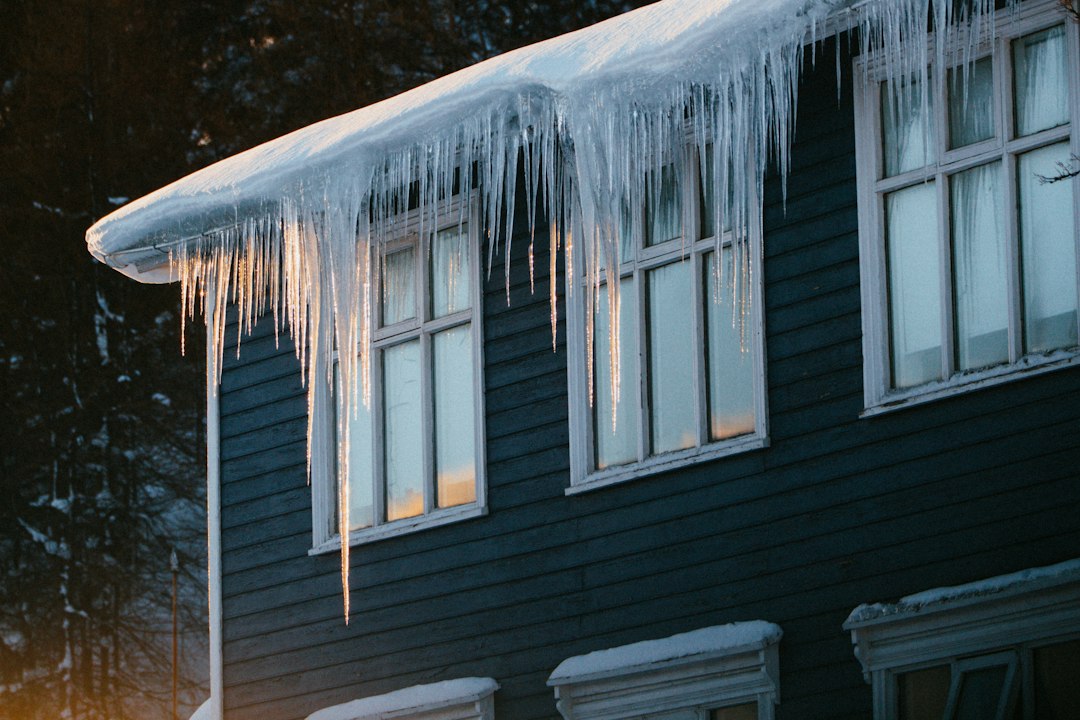
  • Insurance Broker vs Agent vs Direct Insurer in Quebec: Which Should You Choose?

    Insurance Broker vs Agent vs Direct Insurer in Quebec: Which Should You Choose?

    In Quebec, you can buy home, chalet or auto insurance through a damage insurance broker, through an agent who works for one insurer, or directly from an insurer online or by phone. A broker can compare products from several insurers, an agent offers the products of the insurer they represent, and a direct channel is usually the fastest path to a single insurer’s price. This guide explains how each one works under Quebec rules, the trade-offs, how to verify a licence with the Autorité des marchés financiers (AMF), and which questions to ask before you sign.

    Key takeaways

    • All three channels are legal and regulated in Quebec. The right one depends on how complex your situation is and how much comparison you want.
    • A damage insurance broker represents you and can offer products from several insurers. An agent offers the products of one insurer (or one group).
    • Buying direct is convenient, but you only see one insurer’s offer, and you remain responsible for answering every question accurately.
    • Anyone advising you must hold a certificate issued by the AMF. You can check this free in the AMF’s Register of firms and individuals authorized to practise.
    • Ask about compensation and business ties. Representatives must act in your interest and firms must disclose certain relationships with insurers.
    • Your legal duty to declare the risk applies no matter which channel you use.

    Advertisement

    Why this choice matters in the Laurentides

    Many households in the Laurentides have insurance needs that do not fit a simple online form: a chalet in Val-David rented a few weekends a year, a house in Nominingue heated with a wood stove and served by a well and septic system, a property far from a fire hydrant, or an older home in Saint-Jérôme with a fuse panel still in place. The way you buy insurance affects how well these details are captured, how many options you see, and who helps you when something goes wrong.

    If you are just starting, our overview of how to shop for home insurance in the Laurentides walks through the full process. This article focuses on the “who do I buy from?” question.

    Definitions under Quebec rules

    In Quebec, the distribution of insurance is governed mainly by the Act respecting the distribution of financial products and services and its regulations. The AMF is the regulator that registers firms, issues certificates to individual representatives, inspects firms and receives consumer complaints. The Chambre de l’assurance de dommages (ChAD) oversees the ethics, training and discipline of damage insurance agents, brokers and claims adjusters.

    “Damage insurance” (assurance de dommages) is the Quebec term for property and casualty insurance: home, condo, tenant, chalet, auto, recreational vehicles and business insurance.

    Damage insurance broker

    A damage insurance broker is a certified representative who offers products from more than one insurer. The broker works for a brokerage firm, not for an insurer, and their role is to assess your needs, look for suitable coverage on the market, explain the options and help you through the life of the policy, including at renewal and, in many cases, during a claim.

    Damage insurance agent

    A damage insurance agent is a certified representative who offers the products of a single insurer, or of insurers belonging to the same financial group. Agents are often employed directly by the insurer, for example in its call centre or local office. An agent is also bound by professional obligations, including advising you properly about the products they offer, but they will not compare that insurer against its competitors.

    Direct insurer (direct writer)

    A “direct” insurer sells its policies to the public without going through independent brokers. You deal with the insurer by phone, through its website or app, or at its offices. When a person advises you, they are typically a certified damage insurance agent employed by that insurer. Quebec rules also allow some insurance products to be offered online through digital platforms, but you can generally ask to speak with a certified representative before you buy.

    Claims adjuster

    Claims adjusters are a separate category of certified professional. They assess losses and negotiate settlements after a claim. They may be employees of an insurer or work for independent adjusting firms hired by insurers. They are not the person who sells you the policy, but they must also be certified and follow a code of ethics.

    Broker vs agent vs direct: pros and cons

    Criteria Broker Agent (single insurer) Direct online / phone
    Who they work for A brokerage firm; represents the client One insurer or financial group The insurer itself
    Number of insurers compared Several One One
    Advice on complex risks (chalet, rental, wood heat, older home) Usually strong, can shop specialized markets Good within that insurer’s products Varies; complex risks may be referred to an agent or declined
    Speed of quote Can take longer when comparing Usually quick Often fastest
    Help at renewal Can re-shop the market if price jumps Can review options within the insurer Mainly self-service
    Help during claims Often acts as an intermediary or advocate Can explain process; claims handled by insurer You deal directly with the claims department
    Main limitation Only compares insurers the brokerage deals with No comparison with other insurers No comparison; you must know what to ask

    When a broker is often a good fit

    • You own a chalet or secondary home, especially one that is rented to guests.
    • Your property has features some insurers are cautious about: wood heating, an older roof, an oil tank, older wiring, a remote location or a long distance to a fire hydrant.
    • You have had claims or have been refused by an insurer before.
    • You want to bundle home, chalet, auto, snowmobile or boat coverage and see several combinations.
    • You prefer one contact person who handles renewals and changes for you.

    When an agent or direct insurer is often a good fit

    • Your situation is straightforward: a recent house or condo, primary residence, no rental activity, no unusual heating.
    • You already know an insurer you trust and want to deal with it directly.
    • You are comfortable comparing several insurers yourself by requesting quotes from each.
    • You value app-based self-service and quick online changes.

    Key tip: Nothing stops you from combining approaches. Many people get one quote through a broker and one or two directly from insurers, then compare coverage line by line, not just price.

    How to verify a licence with the AMF

    In Quebec, anyone who advises you on damage insurance must hold a certificate issued by the AMF, and firms offering insurance must be registered. The AMF provides a free online tool, the Register of firms and individuals authorized to practise, to check this. You can find it on the AMF’s website for the general public.

    Step by step

    1. Get the full name of the person advising you and the name of the firm they work for. A legitimate representative will give you this readily.
    2. Go to the AMF website and open the register of firms and individuals authorized to practise.
    3. Search by the person’s name (or by the firm’s name).
    4. Check the sector and category. For home or auto insurance, you should see a damage insurance category, such as damage insurance agent or damage insurance broker. Confirm the certificate is active and see which firm the person is attached to.
    5. Check the firm. Confirm the firm is registered and note its contact details. These details are also useful if you ever need to send a complaint.
    6. Look for restrictions or disciplinary information that may be indicated. The ChAD also publishes decisions of its discipline committee.

    If you cannot find a person or firm in the register, ask them for their exact registered name. If they still cannot be found, do not sign or pay anything and contact the AMF. Illegal practice in damage insurance is an offence, and the AMF has pursued people who acted as representatives without a certificate.

    Advertisement

    Conflicts of interest and compensation

    Every channel has potential conflicts, and Quebec law addresses them through disclosure rules and professional duties.

    How representatives are paid

    • Brokers are typically paid by commission from the insurer whose policy you buy. Some brokerages may also receive additional compensation linked to volume or performance with certain insurers.
    • Agents employed by insurers are typically paid a salary and may receive incentives tied to sales.
    • Direct channels involve the insurer’s employees, whose goal is to sell the insurer’s own products.

    None of this is improper in itself. What matters is that the person advising you puts your needs first and is transparent. You are entitled to ask how they are compensated.

    Ownership ties

    Some brokerage firms are partly or fully owned by insurers or by financial groups that also own insurers. Quebec rules require firms to disclose certain business ties with insurers to clients. If a broker always recommends the same insurer, it is fair to ask whether the brokerage has a relationship with it and how many insurers it really compared for your file.

    Professional obligations

    Certified damage insurance representatives are bound by a code of ethics overseen by the ChAD. Among other things, they must act with honesty and loyalty, seek to understand your needs, give you the information needed to make an informed decision, and avoid placing their own interest ahead of yours. If you believe a representative failed in these duties, you can complain to the firm, to the AMF, and to the ChAD regarding ethical conduct.

    Questions to ask before you buy

    Whether you deal with a broker, an agent or a direct insurer, these questions help you understand what you are getting.

    About the representative

    • What is your full name, and which firm are you certified with? (Then check the AMF register.)
    • Are you a broker or an agent? Which insurers can you offer?
    • How are you compensated for this policy? Does your firm have business ties with any of the insurers you are proposing?
    • Who will be my contact person for changes, renewals and claims?

    About the coverage

    • Is this a broad (“all risks”) form or a named perils form for the building and contents?
    • Is the building insured at replacement cost, and how is that amount calculated?
    • What water damage coverage is included, and what requires an endorsement (sewer backup, ground water, above-ground water, flood)?
    • What deductibles apply, and are there separate deductibles for water, roof or wind damage?
    • What are the limits for detached buildings, jewellery, bicycles, tools and electronics?
    • How much civil liability coverage is included?
    • What is covered for additional living expenses if I cannot live in the home?
    • Are there conditions about vacancy, winter heating or water shut-off?

    About your specific situation

    Key tip: Ask the representative to send you a written summary of the coverage proposed, including deductibles and main exclusions, before you commit. Compare that summary with the policy wording once you receive it.

    Your duty to declare does not depend on the channel

    Under the Civil Code of Québec, you must disclose the facts you know that are likely to materially influence the insurer’s decision to accept the risk or set the premium. You must also answer the insurer’s questions truthfully and notify it promptly of changes within your control that materially increase the risk.

    This duty applies whether you fill in an online form yourself or answer questions over the phone with a broker. A broker or agent can help you understand the questions, but the answers are yours. When something is unclear, ask, and keep a record. If you discover after the fact that an answer was wrong, contact your insurer or broker to correct it right away rather than waiting for a claim.

    Local vs online: does it matter?

    Laurentides residents can choose between brokerages and agencies with offices in towns like Saint-Jérôme, Blainville, Sainte-Agathe-des-Monts or Mont-Laurier, and insurers or brokerages that operate entirely online or by phone across Quebec.

    Advantages of a local representative

    • Familiarity with regional realities: well water, septic systems, wood heat, long distances to fire stations, heavy snow, and chalet rental activity.
    • Easier in-person meetings for complex files, such as a property purchase or a commercial rental.
    • A known contact if you need help during a claim after a major storm.

    Advantages of online and phone channels

    • Speed and convenience, especially for simple risks.
    • Extended hours and digital self-service.
    • Easy to compare quickly when you know exactly what coverage you want.

    What matters most is not the address of the office but whether the person is properly certified, understands your property, and takes the time to explain the coverage. An online brokerage can be excellent for a chalet file, and a local agent can be excellent for a simple home policy. Verify, ask questions and compare.

    Practical decision guide

    Your situation A channel to consider first Why
    First condo or recent house, primary residence Direct, agent or broker Simple risk; compare two or three quotes
    Older home with wood stove, well and septic Broker Benefits from comparing insurers’ appetites
    Chalet used personally only Broker or agent experienced with secondary homes Vacancy and winter conditions vary by insurer
    Chalet rented on short-term platforms Broker Rental use may require specialized coverage
    Previous claims or refusal Broker Access to more markets
    Buying a property with a tight condition deadline Broker, plus one direct quote Speed and comparison before removing conditions

    If you are in the process of buying, our home insurance checklist for buying in the Laurentides explains why you should get quotes before removing your financing conditions. And if you are new to the region, thelaurentides.com is a good starting point to discover its towns and services.

    If something goes wrong

    If you are unhappy with the service, advice or a decision, the process in Quebec starts with the firm itself:

    1. Raise the issue with your representative or the insurer’s customer service.
    2. If unresolved, send a written complaint to the firm. Firms must have a complaint processing policy, and Quebec’s regulation on complaint processing in the financial sector, in force since July 1, 2025, sets rules such as acknowledging the complaint and providing a final written response within set timeframes.
    3. If you remain dissatisfied, you can ask the firm to transfer your complaint file to the AMF, which may offer dispute resolution such as mediation or conciliation. Details are on the AMF’s Making a complaint page.
    4. For questions about a representative’s ethical conduct, you can also contact the ChAD.

    For claim disputes specifically, see our guide on how to file a home insurance claim in Quebec.

    Advertisement

    Frequently asked questions

    Is a broker always cheaper than buying direct?

    Not necessarily. Prices depend on your risk profile and each insurer’s pricing. Sometimes a broker finds a better price or better coverage; sometimes a direct insurer is more competitive for a given profile. The only way to know is to compare quotes for the same coverage.

    Do I pay a broker a fee?

    Brokers in personal lines are usually compensated by commission from the insurer, built into the premium. Ask the broker directly whether any fees apply to you, and get the answer in writing if there are any.

    How do I know if someone is really licensed in Quebec?

    Search for their name and their firm in the AMF’s Register of firms and individuals authorized to practise. For home and auto insurance, they should hold an active damage insurance certificate attached to a registered firm.

    Can I switch from an agent to a broker mid-term?

    Usually yes. You can cancel a policy before its term, though cancellation conditions and any short-rate penalty depend on the contract. Make sure your new policy starts before the old one ends so you are never without coverage.

    Is buying insurance online in Quebec safe?

    Buying online from a registered insurer or firm is legitimate. Check that the company appears in the AMF register, read the policy wording carefully, and remember that you are responsible for the accuracy of your answers.

    Who helps me during a claim if I bought direct?

    You deal with the insurer’s claims department and the adjuster assigned to your file. You can still ask questions, request explanations in writing and use the complaint process if you disagree with a decision.

    Want a second opinion on your coverage? Contact us and we will point you in the right direction.

    This article is for general information only and is not insurance advice. Always confirm details with a licensed broker or your insurer.

  • Roof, Snow Load and Winter Damage: Insurance Tips for Laurentides Homes

    Roof, Snow Load and Winter Damage: Insurance Tips for Laurentides Homes

    In the Laurentides, your roof is one of the first things a home insurer looks at, and winter is when it gets tested hardest. Most home policies in Quebec cover sudden, accidental roof damage, such as a collapse under the weight of snow or a leak caused by a storm, but they generally exclude damage that comes from wear and tear, poor maintenance or slow deterioration. This guide explains how roof age and material affect your insurability, how ice dams and snow load claims are usually handled, and what you can do now to protect both your house and your coverage.

    Key takeaways

    • Roof age and material matter to insurers. An older or poorly maintained roof can mean higher premiums, a higher deductible, depreciated payouts on roof claims, or difficulty finding coverage at all.
    • Sudden vs gradual is the line that decides most claims. A roof that collapses under heavy snow is treated very differently from a roof that leaked slowly for years.
    • Ice dam water damage is a grey zone. Coverage depends on your policy wording, especially for water entering through the roof. Read the water damage section and ask your broker or insurer to explain it in writing if needed.
    • Documentation is your best defence. Keep invoices, photos and dates for roof replacement, repairs, inspections and snow removal.
    • Known changes must be declared. Under the Quebec Civil Code, you must answer your insurer’s questions truthfully and notify it of changes that increase the risk.
    • Call a roofer early, not after the collapse. Signs like sagging ceilings, sticking interior doors, new cracks in walls or unusual creaking are warnings, not quirks.

    Advertisement

    Why roofs matter so much to insurers in the Laurentides

    The Laurentides combine heavy snowfall, frequent freeze-thaw cycles, long winters and a large stock of older houses and chalets. From Saint-Jérôme and Mirabel to Sainte-Adèle, Val-David, Mont-Tremblant and Mont-Laurier, many homes sit on wooded lots where branches, shade and slow melting all add stress to the roof. Insurers know that a roof failure can trigger a chain of losses: water in the attic, damaged insulation, wet drywall, mould, ruined contents and sometimes a family that has to move out during repairs.

    That is why most home insurance applications in Quebec include questions about the roof: its age, the type of covering, the date of the last replacement, and sometimes whether it has been inspected recently. If you are comparing quotes, our guide on how to shop for home insurance in the Laurentides explains how to prepare these answers in advance so each insurer is quoting on the same information.

    How roof age and material affect insurability

    Insurers do not all use the same rules, and none of them publish a universal age limit, so you should not assume a fixed cut-off. What is consistent is the logic: the older a roof is relative to its expected life, the more likely it is to leak, and the more expensive a claim tends to be.

    Roof age

    When you apply, expect to be asked the year the roof covering was last replaced. Depending on the insurer and the age you declare, possible outcomes include:

    • A standard quote with no special conditions.
    • A request for photos, an inspection report or proof of replacement (invoice from the roofer).
    • A higher deductible that applies specifically to roof or water damage.
    • Settlement of roof claims on an actual cash value basis (with depreciation) rather than full replacement cost.
    • A condition that the roof be replaced within a set period, or a refusal to offer coverage.

    If you do not know the age of your roof, say so rather than guessing. A guess that turns out to be wrong can become a problem at claim time. Your home inspection report, the seller’s declaration, or old invoices are good places to find the answer.

    Roof material

    Common roof coverings in the region include asphalt shingles, steel or metal roofing, and multi-layer or membrane systems (such as elastomeric membranes) on flat or low-slope roofs. Cedar shingles still appear on some older houses and chalets. Each material ages differently and reacts differently to snow, ice and wind. Insurers generally consider the type of covering together with its age and condition. What you should do is describe the material accurately on your application and keep proof of what was installed and when.

    Roof factor Why insurers care What you can provide
    Age of covering Older coverings are more likely to leak or fail Roofer’s invoice, permit, seller’s declaration
    Material Different durability and resistance to ice and wind Invoice or product specification
    Slope (pitched vs flat) Flat roofs hold snow and water differently Inspection report, photos
    Condition Missing shingles, curling, blistered membranes signal risk Recent inspection report, dated photos
    Attic ventilation and insulation Linked to ice dams and condensation Inspection notes, upgrade invoices
    Maintenance history Shows the risk is being managed Snow removal receipts, repair invoices

    Ice dams: what they are and how insurers see them

    An ice dam forms when heat escaping from the house warms the roof deck, snow melts higher up, and the water refreezes at the colder eaves. The ridge of ice traps more meltwater behind it, which can back up under shingles and drip into the attic, walls or ceilings. Long icicles along the edge of the roof are often a visible clue.

    The main causes are usually inside the house rather than outside: insufficient attic insulation, air leaks from the living space into the attic, poor ventilation, or heat sources such as recessed lights and uninsulated ducts. That matters for insurance, because an insurer may view repeated ice dams as a maintenance or construction issue rather than a sudden event.

    Is ice dam damage covered?

    There is no single answer for Quebec, because coverage depends on the exact wording of your policy. In general terms:

    • Some policies, particularly broad or “all risks” forms, may cover sudden and accidental water damage from ice dams to the interior of the home, subject to your deductible and exclusions.
    • Many policies distinguish between water that enters through the roof and water that escapes from plumbing, and may treat them differently.
    • Damage to the roof covering itself caused by gradual ice build-up may be treated as wear and tear or lack of maintenance.
    • Repeated, known ice dam problems that were never corrected can weaken your position on a claim.

    Water damage is the single biggest source of confusion for homeowners. Our detailed guide on water damage, sewer backup and flood insurance in the Laurentides explains how these water categories and endorsements usually work.

    Key tip: Ask your broker or insurer a precise question: “If an ice dam causes water to enter through my roof and damage my ceilings, is that covered under my policy, and what deductible applies?” Ask for the answer in writing, by email, so you have it on file.

    Preventing ice dams

    • Have the attic insulation and ventilation evaluated, ideally during a calm season.
    • Seal air leaks between the living space and the attic (light fixtures, attic hatches, plumbing stacks).
    • Keep gutters and downspouts clear before winter.
    • Remove snow from the lower part of the roof safely, using a roof rake from the ground or a professional service.
    • Do not chip ice with axes or hammers; you can damage the covering and void manufacturer warranties.

    Snow load and roof collapse

    Heavy snow is part of life in the Laurentides, but snow becomes dangerous when it accumulates, gets wet, or is topped by rain that soaks in and adds weight. Drifts on the lee side of a roof, snow sliding from a higher roof onto a lower one, and ice build-up can all concentrate load in specific areas. Flat roofs, low-slope additions, carports, garages, sheds and older outbuildings are particularly exposed.

    Warning signs of excessive snow load

    Quebec’s building authority, the Régie du bâtiment du Québec (RBQ), regularly reminds owners to watch for warning signs that a roof is carrying too much snow, including:

    • Cracks appearing in interior walls.
    • Interior doors that stick or rub against their frames.
    • Unusual creaking or cracking sounds.
    • Ceilings that sag or warp.

    If you notice these signs, the RBQ’s advice is to have the roof cleared, even if the amount of snow does not look dramatic, and to use specialized companies with the right equipment so the waterproof membrane is not damaged. The Quebec government also publishes seasonal reminders on Québec.ca about safe snow and ice removal from roofs.

    Is snow load collapse covered?

    Many Quebec home policies cover the collapse of a building caused by the weight of snow, ice or water as a sudden and accidental event, subject to the wording of the policy, your deductible and any exclusions. However, the details matter:

    • Outbuildings: Detached garages, sheds and carports are often covered under a separate section with lower limits. Temporary shelters (such as fabric car shelters) may be limited or excluded.
    • Neglect: If an insurer can show that a structure had obvious defects, rot or prior damage that was ignored, it may argue that the loss stems from deterioration rather than a sudden event.
    • Vacant or seasonal homes: Chalets left unoccupied for long periods may carry conditions about inspections and winter maintenance. See our guide to chalet and cottage insurance in the Laurentides for the typical requirements.
    • Contents and living expenses: Damaged furniture and the cost of living elsewhere during repairs fall under other parts of the policy, each with their own limits.

    Advertisement

    What is generally covered and what is not

    Every policy is different, but the following table summarizes how insurers typically approach winter roof situations. Use it as a starting point for a conversation with your broker, not as a guarantee.

    Situation Often covered? Common conditions or exclusions
    Roof collapses under sudden heavy snow load Often, as sudden and accidental damage Deductible; exclusions for pre-existing defects or neglect
    Wind tears off shingles during a storm Often Older roofs may be settled at depreciated value
    Tree falls on roof during a storm Often Removal costs may have limits; dead trees you ignored may complicate the claim
    Interior water damage from an ice dam Depends on policy wording May require a specific form or endorsement; deductibles may differ
    Roof covering worn out after many years Generally not Wear and tear and lack of maintenance are standard exclusions
    Slow leak that caused rot or mould over months Generally not Gradual damage and repeated seepage are commonly excluded
    Damage caused during snow removal by you or a contractor Varies May be the contractor’s liability; check their insurance

    Wear and tear vs sudden damage: the distinction that decides claims

    Home insurance is designed to cover unexpected events, not the normal ageing of a building. A roof that reaches the end of its life and starts to leak is, from an insurer’s point of view, a maintenance expense. A roof that is damaged by a storm, a falling tree or a sudden collapse is an insurable event.

    In practice, many winter claims involve both. A storm may tear off shingles that were already curling and brittle. An adjuster will look at the age and condition of the roof, the weather on the date of loss, and any signs of previous leaks such as old water stains or rotted decking. This is where your records become important: dated photos, inspection reports and invoices can show that the roof was in reasonable condition before the event.

    Your legal duties under Quebec law

    The Civil Code of Québec places specific obligations on policyholders:

    • Duty to declare the risk: When you apply, you must disclose the facts you know that are likely to materially influence the insurer’s decision to accept the risk or set the premium. Answering roof questions accurately is part of that duty.
    • Aggravation of risk: During the policy, you must promptly notify your insurer of changes within your control that increase the risk in a material way. Major renovations or a change in how the home is used are typical examples. If you are unsure whether something counts, ask.
    • Notice of loss: You must notify the insurer of a loss as soon as you become aware of it.

    Misrepresentation or failure to declare can lead to a reduced indemnity or, in cases of fraud or serious omissions, to the policy being cancelled. The safest approach is simple: answer every question honestly, and if you are not sure, say so.

    Maintenance documentation: build your roof file

    A simple roof file can save a lot of trouble at renewal time and during a claim. Keep it in a folder or a cloud drive, and add to it every year.

    1. Proof of installation: The roofer’s invoice showing date, material and scope of work. Include the municipal permit if one was issued.
    2. Warranty documents: Manufacturer and contractor warranties, with any maintenance conditions they impose.
    3. Inspection reports: Pre-purchase inspection report and any later roof inspections.
    4. Seasonal photos: Dated photos of the roof each fall and spring, plus photos of the attic if you can access it safely.
    5. Snow removal records: Contracts or receipts from snow removal services, with dates.
    6. Repairs: Invoices for any repairs, flashing work, venting changes or insulation upgrades.
    7. Correspondence: Emails with your insurer or broker about the roof.

    When you buy a property, start this file on day one. Our home insurance checklist for buying a property in the Laurentides lists the roof information insurers usually ask for before closing.

    When to call a roofer

    Do not wait for a leak to find a roofing professional. Ideally, have a contractor you trust before winter arrives, because demand spikes after major storms. Consider calling a roofer when:

    • Your insurer or lender asks for a roof inspection or proof of condition.
    • You see missing, curled, cracked or granule-shedding shingles.
    • Flashing around chimneys, skylights or vents looks loose or rusted.
    • You notice stains on ceilings, damp insulation or frost build-up in the attic.
    • Ice dams form every winter in the same places.
    • The roof is approaching the end of its expected life and you want to plan replacement before an insurer imposes conditions.
    • Heavy snow or ice has accumulated and you see any of the RBQ warning signs listed above.

    To compare local contractors serving Saint-Jérôme, Saint-Sauveur, Sainte-Agathe-des-Monts, Mont-Tremblant and the rest of the region, browse our partner directory of Laurentides roofing contractors. Ask any contractor for a written quote, proof of their RBQ licence, and proof of their own liability insurance before work begins.

    Key tip: Before you sign a roof replacement contract, call your insurer or broker. Some insurers adjust the premium or remove conditions once a new roof is installed, and they will want the invoice. A new roof can also be a good moment to review your whole policy.

    Safe snow removal: protect yourself and your coverage

    Roof snow removal is dangerous. Falls from roofs and ladders cause serious injuries every winter in Quebec. For most homeowners, the safest options are a roof rake used from the ground for the lower edge, or a professional service with proper fall protection.

    If you hire a service:

    • Ask whether the company carries liability insurance and request proof.
    • Agree in writing on what is included (main roof, garage, balconies, ice removal at the eaves).
    • Ask that tools be used in a way that does not damage shingles, membranes or flashing.
    • Keep the receipt with the date, and take before-and-after photos.

    If a contractor damages your roof while removing snow, the first step is usually to notify the contractor and their insurer. Let your own insurer know as well, because a leak can develop later.

    Chalets, rentals and secondary homes

    Secondary homes in the Laurentides face extra winter risk because nobody may be on site when snow piles up or an ice dam starts leaking. Insurers often add conditions for seasonal or unoccupied properties, such as regular visits during winter, minimum heating, or water shut-off when the property is empty. If you rent your chalet to guests, the insurer will also want to know, because rental use changes the risk. Our guide to short-term rental chalet insurance in Quebec explains why you must declare it.

    A practical solution is to arrange a winter maintenance contract with a local roofer or caretaker who can check the roof after major storms. Many owners combine this with a seasonal inspection from one of the roofing specialists listed on toiture.thelaurentides.com. If you are still looking for a property, the regional portal chalets.thelaurentides.com can help you compare chalet options.

    If winter damage happens: what to do first

    1. Make sure everyone is safe. If the ceiling is sagging or you hear cracking, leave the area and call emergency services if needed.
    2. Prevent further damage. Move belongings, place buckets, shut off electricity to wet areas if safe, and arrange emergency tarping or snow removal.
    3. Document everything. Take photos and videos before cleanup, and keep receipts for emergency work.
    4. Notify your insurer promptly. Call the claims line as soon as you are aware of the loss.
    5. Do not throw away damaged materials until the adjuster has seen them or approved disposal.

    Our step-by-step guide on how to file a home insurance claim in Quebec covers the full process, including adjusters, additional living expenses and what to do if you disagree with the insurer’s decision.

    Advertisement

    Frequently asked questions

    Will my insurer refuse to cover my home because the roof is old?

    Some insurers may, but practices vary. Others may offer coverage with conditions, such as a higher deductible, depreciated settlement of roof claims, or a requirement to replace the roof within a given period. Shopping with a broker or comparing several insurers can help if one declines.

    Is roof snow removal mandatory for my insurance?

    Policies rarely state a specific snow depth, but you are generally expected to maintain your property reasonably. If a collapse happens on a structure you knew was overloaded and did nothing about, the insurer may question the claim. For chalets and vacant homes, written conditions about winter visits are common, so read your policy.

    Does home insurance pay for a new roof when mine wears out?

    No. Normal wear and tear and end-of-life replacement are maintenance costs. Insurance generally responds only to sudden, accidental damage, such as storm damage or a collapse.

    Are icicles and ice dams my responsibility?

    Yes, as the owner you are responsible for maintaining your property. Falling ice can also injure passersby or damage vehicles, which may become a liability issue. Removing dangerous icicles safely, or hiring someone to do it, protects others and your coverage.

    Should I tell my insurer when I replace my roof?

    Yes. A new roof is generally good news for the insurer and may improve your terms. Send the invoice showing the date and material, and ask whether your premium or conditions change.

    My garage roof collapsed but the house is fine. Is that covered?

    Detached buildings are usually covered under a separate section of the policy, often with a limit expressed as a percentage of the dwelling amount or a fixed amount. Check that section, and notify your insurer promptly with photos.

    Want a second opinion on your coverage? Contact us and we will point you in the right direction.

    This article is for general information only and is not insurance advice. Always confirm details with a licensed broker or your insurer.