
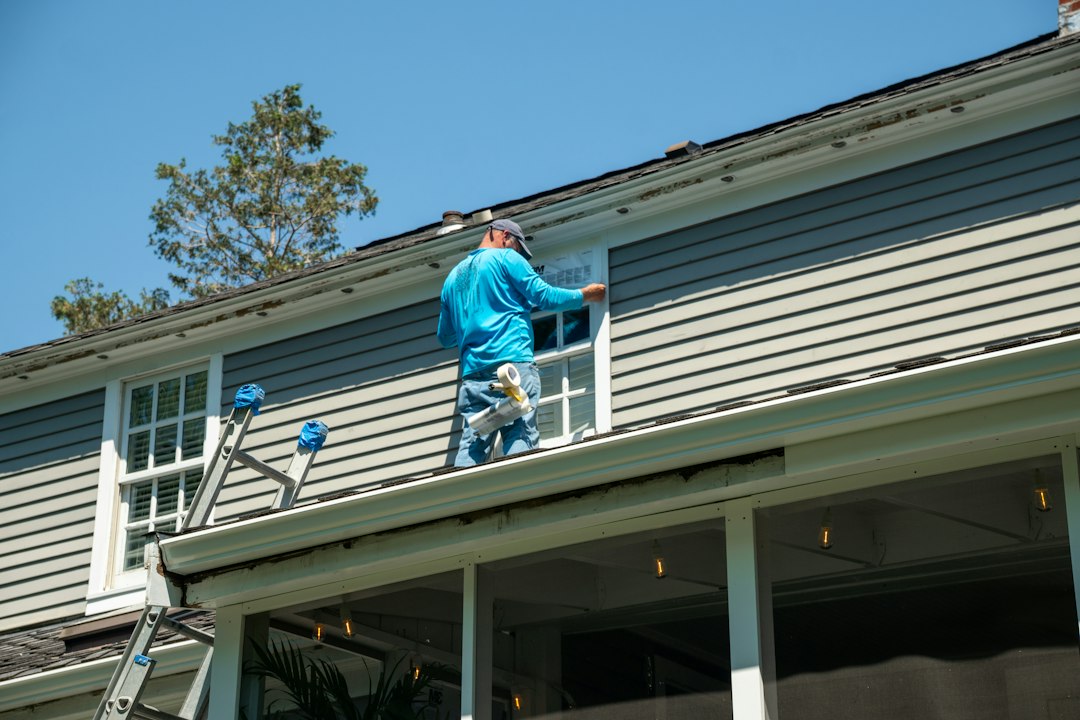
When you buy a property in the Laurentides, home insurance is not a formality to handle the week before the notary. Your lender will require proof of coverage before it releases the mortgage funds, and features common in the region, such as wood stoves, wells, septic systems, older roofs, oil tanks or long distances to a fire hydrant, can affect whether an insurer accepts the property and on what terms. The safest approach is to gather the right information during the inspection and get real insurance quotes before you remove your financing conditions. This checklist shows you exactly what to collect and when.
Key takeaways
- Get quotes before your conditions expire. Discovering an insurability problem after you have waived your financing condition leaves you with few options.
- Insurers ask specific questions about the roof, electrical panel, plumbing, heating (including wood and oil), water supply, septic system and fire protection. Your inspection is the best time to get the answers.
- Your lender has its own requirements, typically building coverage at least equal to the loan and the lender named on the policy.
- A chalet is not insured like a primary residence. Occupancy, vacancy and rental use all change the policy you need.
- Declare what you know. Under the Civil Code of Québec, you must disclose the facts likely to influence the insurer’s decision, including those revealed in your inspection report.
- Use the printable checklist at the end of this article during your visit and inspection.
Advertisement
Why insurance belongs at the start of the buying process
In a typical Quebec purchase, your promise to purchase includes conditions such as financing, inspection and sometimes the review of documents. Once those conditions are removed, the transaction becomes firm. Insurance is rarely written as its own condition, but it is tied to financing: lenders generally require proof of adequate home insurance before the notary can disburse the loan.
Most of the time, insuring a home is easy. But some properties in the Laurentides raise flags for insurers: a chalet in a remote area of Nominingue, a century home in Saint-Jérôme with original wiring, a property in Sainte-Agathe-des-Monts with a buried oil tank, or a house in Mont-Laurier served by a well and septic system far from a fire station. Some insurers may decline these risks, ask for upgrades, or charge more. If you only find out after your conditions are lifted, you may face a much more expensive policy, a rushed renovation, or a dispute with your lender.
Key tip: As soon as your offer is accepted, send the listing, the seller’s declarations and, when available, the inspection report to a broker or insurer and ask for a firm quote. Ask explicitly: “Are there any conditions, required upgrades or exclusions for this property?”
Timeline: what to do and when
| Stage | Insurance task |
|---|---|
| Before making an offer | Note heating type, roof age, electrical panel, water supply, septic, distance to hydrant and fire station. Ask the seller’s broker for invoices and declarations. |
| Offer accepted | Contact a broker or insurer for a preliminary quote. Share known details. |
| Inspection | Use the checklist below. Ask the inspector to document items insurers ask about. Take photos of the panel, heating system, tank and roof. |
| Before removing conditions | Get a firm quote with conditions in writing. Confirm with your lender that the coverage meets its requirements. |
| Before the notary | Bind the policy with the correct effective date and send proof of insurance to your lender and notary. |
| After moving in | Complete any required upgrades by the insurer’s deadline, send proof, and build your home documentation file. |
Home inspection in Quebec: what to know
A pre-purchase inspection is strongly recommended in Quebec, and for insurance purposes it is invaluable. The inspection is a visual examination of the building’s accessible components; it does not guarantee that the home is free of hidden defects.
The profession is now being regulated. The Régie du bâtiment du Québec (RBQ) began issuing certificates to residential building inspectors on October 1, 2024, and certification is scheduled to become mandatory for all inspectors practising in Quebec as of October 1, 2027. Until then, it is wise to ask an inspector whether they hold an RBQ certificate or are in the process of obtaining one, and to confirm that they carry professional liability insurance.
Some items insurers care about, such as the inside of a chimney, the condition of a buried oil tank, the performance of a septic field or the quality of well water, may fall outside a general inspection. You may need specialized assessments, which are covered below.
Inspection items insurers ask about
1. Roof
Insurers commonly ask for the age of the roof covering and the material. An older roof may lead to conditions such as a higher deductible, depreciated settlement of roof claims, or a requirement to replace it. Ask the seller for the roofer’s invoice, and ask your inspector to comment on the condition, flashing, ventilation and signs of past leaks or ice dams. Our guide on roof, snow load and winter damage insurance explains why this matters so much in the region. If replacement is needed, you can compare local contractors on toiture.thelaurentides.com.
2. Electrical panel and wiring
Insurers want to know the type and capacity of the electrical service and whether the panel uses breakers or fuses. Older systems, such as fuse panels, low-capacity services, knob-and-tube wiring or certain older aluminum branch wiring, can lead to questions, conditions or refusal with some insurers. Take a clear photo of the panel with its cover closed and its label visible, and note the year of any upgrade. If an electrician has upgraded the system, ask the seller for the invoice.
3. Plumbing and water heater
Water damage is a frequent source of claims, so insurers ask about the type of supply pipes (copper, PEX, galvanized steel, polybutylene), drains, and the age of the water heater. An older water heater may need to be replaced to satisfy some insurers. Ask the inspector to note the visible pipe materials, any signs of leaks, the presence of a main shut-off valve and whether there is a backwater valve on the sewer connection (where the home is on municipal sewers). Our guide to water damage, sewer backup and flood insurance explains why the backwater valve and sump pump can matter.
4. Oil tank
Many older homes in the Laurentides were heated with oil, and some still are. Insurers are concerned about leaks, because contamination can be very expensive to clean up. Expect questions about whether there is a tank, whether it is indoors, outdoors or buried, its age, and whether it has been removed. Ask the seller for documentation of the tank’s age, installation or removal. If a tank was removed, ask for proof of removal. If the inspector finds signs of a former tank, such as pipes coming through a foundation wall, ask the seller for an explanation.
5. Wood stove, fireplace or other solid-fuel appliance
Wood heating is common in the region and is generally insurable, but you must declare it. Insurers often ask for the type of appliance, whether it is certified (CSA B415.1 or US EPA), who installed it, the clearances to combustible materials, and when the chimney was last swept. Some insurers ask for an inspection by a qualified professional. Ask the seller for the installation invoice, the appliance’s certification label details and recent chimney sweeping receipts. Our full guide to wood stoves, fireplaces and home insurance in Quebec covers this in detail.
6. Well and septic system
Many properties outside urban centres rely on a private well and a septic installation. These are not usually the core of a home insurance policy, but they matter for your purchase and can come up in underwriting: the well pump and pressure tank can cause water damage if they fail, and a failing septic system can lead to costly repairs that insurance typically does not cover. Ask the seller for:
- The septic installation’s permit and plans, and the date of the last emptying.
- Well water test results; consider ordering a new test.
- Any information about the age of the pump and pressure tank.
A specialized septic inspection and a water quality test are commonly recommended for these properties.
7. Distance to fire hydrant and fire station
Fire protection is a key rating factor. Insurers generally consider whether the property is within a set distance of a fire hydrant and how far it is from the nearest fire station. A rural property without a nearby hydrant may cost more to insure than an otherwise similar home in town. Before you buy, check with the municipality where the nearest hydrant and fire station are, and whether the area is served by a municipal fire department. Write down the distances so you can answer the insurer’s questions accurately.
8. Foundation, drainage and basement
Insurers ask about finished basements because contents and finishes there are exposed to water damage. Ask the inspector to note signs of water infiltration, efflorescence, cracks, the presence of a sump pump and the condition of perimeter drainage. Remember that gradual infiltration through foundations is commonly excluded, and that coverage for ground water and flooding depends on optional endorsements.
9. Other features
- Swimming pool or spa: Liability considerations and possible questions about fencing.
- Detached buildings: Garages, workshops and guest cabins may need their own limits.
- Home business: A home office, workshop or client visits may require an endorsement.
- Alarm and monitoring: Central monitoring for fire, intrusion, low temperature or water leaks may be relevant to some insurers.
- Location features: Proximity to a lake or river, slopes, and forest cover can raise questions about flooding or other risks.
Advertisement
Lender requirements
Each lender sets its own conditions, but common requirements include:
- Building coverage that is adequate, often at least equal to the mortgage amount or the replacement cost of the building.
- The lender named on the policy as a creditor (hypothecary creditor), with a mortgage clause protecting its interest.
- Coverage effective on or before the date of disbursement.
- Proof of insurance sent to the lender and/or the notary before closing.
Note that a lender’s minimum is not the same as the right amount for you. Your building should be insured for the cost to rebuild it, which can differ from the purchase price or the municipal assessment. Land value is not insured because land does not burn. Ask your insurer or broker how they estimate replacement cost.
Mortgage life or disability insurance offered by a lender is a different product from home insurance. It is optional and should be compared separately.
Chalet vs primary residence
Many buyers in the Laurentides are purchasing a chalet or a secondary home. Insurers treat these differently from a primary residence because they are often unoccupied for periods, may be harder to reach in winter, and are sometimes rented to guests.
| Question | Primary residence | Chalet / secondary home |
|---|---|---|
| Occupancy | Occupied most of the time | Seasonal or intermittent |
| Common conditions | Standard policy conditions | Regular visits in winter, minimum heating, water shut-off when absent |
| Rental to guests | Usually not applicable | Must be declared; may require specific coverage |
| Theft and vandalism | Standard coverage | Conditions may apply when unoccupied for long periods |
| Access for emergency services | Usually straightforward | Private roads and winter access may raise questions |
If you plan to rent the property, even occasionally, tell the insurer before you buy the policy. Our guides to chalet and cottage insurance in the Laurentides and short-term rental chalet insurance in Quebec explain these requirements. If you are still browsing, chalets.thelaurentides.com lists chalets across the region.
Your duty to declare the risk
Under the Civil Code of Québec, you must represent all the facts you know that are likely to materially influence an insurer’s decision to accept the risk or set the premium. When you buy a home, your inspection report, the seller’s declarations and the documents you received are a major source of that knowledge. If the inspection revealed an old roof, a fuse panel or a buried oil tank, and the insurer asks about these items, you must answer accurately.
If a misrepresentation or omission is discovered, the consequences can include a reduced indemnity proportional to the premium that should have been charged or, in cases of fraud or where the insurer would not have accepted the risk, the cancellation of the policy. In other words: honest disclosure at the start protects your claim later.
After closing, the duty continues. If you renovate, start renting, install a wood stove or change how the home is used, notify your insurer promptly.
Choosing who to buy from
For a straightforward property, you may get good results from an insurer directly. For properties with several of the features listed above, a broker who can compare insurers’ appetites for risk can save you time. Our comparison of insurance broker vs agent vs direct insurer in Quebec explains the differences and shows you how to verify a licence in the AMF register. For general advice on comparing policies, see how to shop for home insurance in the Laurentides.
Printable home insurance checklist for buyers
Print this section or save it to your phone and fill it in during visits and the inspection.
Documents to request from the seller
- [ ] Seller’s declarations and any known defects
- [ ] Roof replacement invoice (date and material)
- [ ] Electrical upgrade invoices (panel type and amperage)
- [ ] Plumbing upgrade invoices and water heater age
- [ ] Oil tank documentation: age, location, or proof of removal
- [ ] Wood stove or fireplace installation invoice and certification details
- [ ] Recent chimney sweeping receipts
- [ ] Septic system permit, plans and last emptying date
- [ ] Well water test results
- [ ] Past insurance claims on the property, if the seller is willing to share
- [ ] Certificate of location
Items to verify during the inspection
| Item | What to record | Done |
|---|---|---|
| Roof | Material, approximate age, condition, signs of leaks or ice dams | [ ] |
| Electrical panel | Breakers or fuses, amperage, photo, visible wiring type | [ ] |
| Plumbing | Pipe materials, main shut-off location, signs of leaks | [ ] |
| Water heater | Age (label), type, condition | [ ] |
| Backwater valve / sump pump | Present or not, condition | [ ] |
| Heating system | Type (electric, oil, propane, heat pump, wood) | [ ] |
| Oil tank | Location, age, condition, signs of former tank | [ ] |
| Wood stove / fireplace | Certification label, clearances, chimney condition | [ ] |
| Well | Pump and pressure tank location, age if known | [ ] |
| Septic | Location, access, signs of problems | [ ] |
| Basement | Finished or not, signs of water infiltration | [ ] |
| Smoke and CO detectors | Present on each level, near sleeping areas and fuel-burning appliances | [ ] |
Information to get from the municipality
- [ ] Distance to the nearest fire hydrant
- [ ] Distance to the nearest fire station and which department serves the address
- [ ] Whether the property is in a flood zone or other constraint zone
- [ ] Rules on short-term rentals, if you plan to rent
- [ ] Wood-burning appliance bylaws, if any
Insurance and lender steps
- [ ] Preliminary quote requested as soon as the offer is accepted
- [ ] Firm quote received, with any conditions in writing, before conditions are removed
- [ ] Coverage confirmed as meeting the lender’s requirements
- [ ] Lender named on the policy
- [ ] Effective date set for the day of the deed or possession
- [ ] Proof of insurance sent to lender and notary
- [ ] Required upgrades scheduled, with deadline noted
- [ ] Auto policy address updated (see auto insurance in the Laurentides)
Advertisement
Frequently asked questions
When should I get home insurance quotes when buying a house in Quebec?
As soon as your offer is accepted, and in any case before you remove your financing and inspection conditions. That way, if the property has an insurability issue, you still have time to negotiate, plan upgrades or reconsider.
Can an insurer refuse to insure a house I am buying?
Yes. Insurers decide which risks they accept. Some may decline properties with features such as certain older electrical systems, oil tanks, uncertified wood stoves or a poor roof. Another insurer may accept the same property with conditions, which is why comparing matters.
Do I need to give my inspection report to the insurer?
Not always, but some insurers request it, and you must answer their questions based on what you know, including what the report revealed. Sharing it can also speed up underwriting.
Is the replacement cost the same as the purchase price?
No. Replacement cost is what it would cost to rebuild the house with similar materials. It does not include the land and can be higher or lower than the purchase price or municipal assessment.
I am buying a chalet that the seller rented on Airbnb. Can I keep renting it?
You need to check municipal and provincial rules for short-term rentals, and you must declare rental use to your insurer. A standard secondary-home policy may not cover rental activity.
What if the insurer requires upgrades after I buy?
Get the requirement and the deadline in writing, schedule the work promptly and send proof when it is done. Missing a deadline can lead to cancellation or reduced coverage.
Want a second opinion on your coverage? Contact us and we will point you in the right direction.
This article is for general information only and is not insurance advice. Always confirm details with a licensed broker or your insurer.
Leave a Reply