
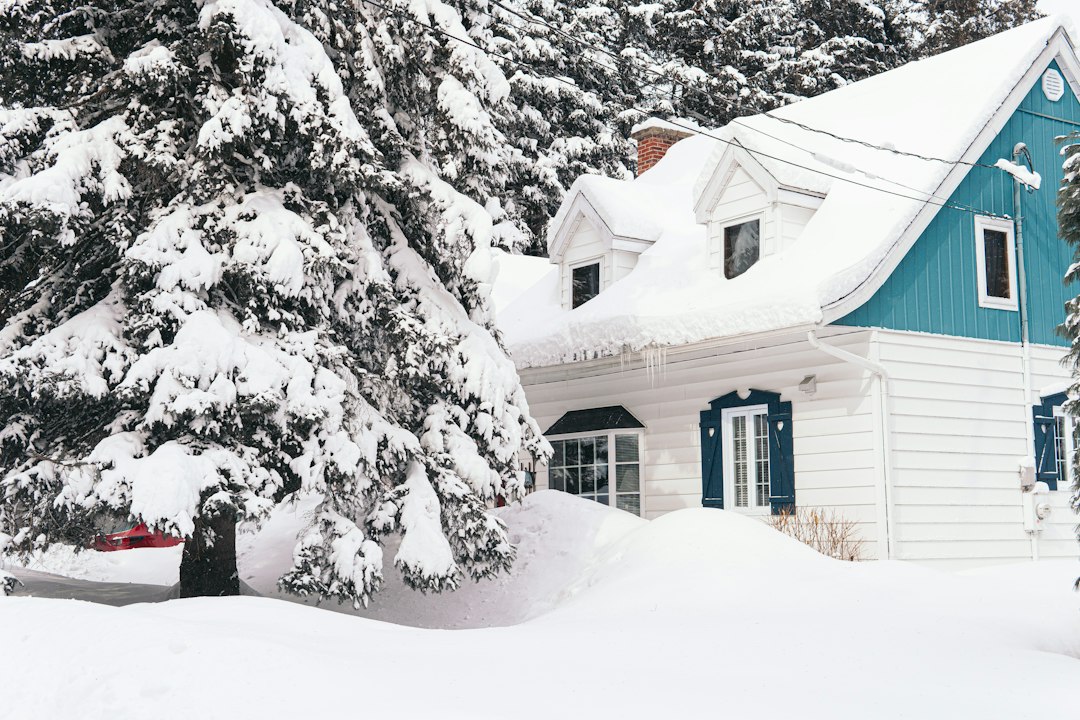
Shopping for home insurance in the Laurentides is not the same as shopping in Montreal. A house in Mont-Laurier on a well and septic system, heated with wood and 15 minutes from the nearest fire hall, is a very different risk from a Blainville townhouse on municipal water, and insurers price them very differently. This guide explains what coverage you actually need, what drives premiums in the region, and a step-by-step method to compare quotes so that you end up with the right protection at a fair price.
Key takeaways
- Compare coverage, not just price. Two quotes with the same premium can have very different exclusions, limits and deductibles.
- Local factors matter a lot: distance to a fire hall and hydrant, wood heating, well and septic systems, roof age, and the age of plumbing and electrical wiring.
- Water damage is the big one. Sewer backup and overland water are usually optional endorsements, not standard coverage.
- Declare everything. Under the Civil Code of Québec you must disclose facts that could influence the insurer; failing to do so can reduce or void a claim.
- Use a licensed representative. Brokers, agents and direct insurers in Québec are all supervised by the Autorité des marchés financiers (AMF). Check the register before you buy.
- Review every renewal. Renovations, a new wood stove, a home office or a short-term rental can all change what you need.
Advertisement
Why home insurance in the Laurentides is different
The Laurentides stretches from the dense suburbs of the North Shore (Blainville, Sainte-Thérèse, Mirabel, Saint-Jérôme) to the resort towns of the Pays-d’en-Haut (Saint-Sauveur, Sainte-Adèle, Val-David, Sainte-Agathe-des-Monts), Mont-Tremblant, and the more remote Hautes-Laurentides around Mont-Laurier and Nominingue. Insurers see this whole range of risk in one region:
- Rural fire protection. Many properties are far from a staffed fire station and have no hydrant nearby. Firefighters may have to bring water by tanker truck.
- Private water and wastewater. Wells, pumps and septic systems bring their own failure risks.
- Wood heating. Wood stoves, fireplaces and inserts are common and are one of the first things an underwriter asks about.
- Heavy winters. Snow load on roofs, ice dams, frozen pipes and long power outages all lead to claims.
- Lakes and rivers. Waterfront living is part of the region’s appeal, but spring thaw and flood zones affect what water coverage you can get.
- Second homes and rentals. Many properties are chalets or short-term rentals, which standard home policies may not fully cover.
If you are new to the region, our regional guide to the Laurentides is a good starting point to understand the towns and their services.
The types of home insurance coverage explained
A Québec home insurance policy (often called a homeowner’s or multi-risk policy) usually combines several kinds of protection. Knowing the parts helps you compare quotes line by line.
1. Building (dwelling)
Covers the structure of your house: walls, roof, floors, built-in fixtures, and often attached structures. The key question is the amount: it should reflect what it would cost to rebuild the house, not its market value or municipal assessment. Rebuilding in a remote area can be more expensive because of travel, material delivery and labour availability.
2. Detached structures (outbuildings)
Garages, sheds, workshops, gazebos and sometimes docks. Many policies cover them as a percentage of the building amount. If you have a large detached garage or a guest cabin, check that the limit is high enough.
3. Contents (personal property)
Furniture, clothing, electronics, tools, sports equipment. Ask whether contents are insured at replacement cost (new for old) or actual cash value (depreciated). Items like jewellery, bicycles, art, collections and expensive skis often have low sub-limits unless you schedule them separately.
4. Additional living expenses
Pays the extra cost of living elsewhere if your home cannot be lived in after a covered loss, such as hotel stays, meals and temporary rent. Check the limit and any time cap.
5. Civil liability
Protects you if you are legally responsible for injuries to others or damage to their property, for example a guest slipping on your icy steps or a fire spreading from your property to a neighbour’s. Liability amounts vary; with rural land, docks, pools or guests, many owners ask about higher limits.
Named perils vs. all risks
Named perils coverage only pays for causes listed in the policy (fire, theft, windstorm, etc.). All risks (sometimes called comprehensive) covers everything except what is specifically excluded. All-risks is broader, but always read the exclusions.
Common optional endorsements
- Sewer backup (water entering through drains and sewer pipes).
- Overland water / flood (water from lakes, rivers or surface runoff).
- Groundwater infiltration (water entering through foundations or slabs), where offered.
- Guaranteed replacement cost on the building, so you can rebuild even if costs exceed the stated amount, under conditions.
- Equipment breakdown for heat pumps, furnaces, water heaters and well pumps.
- Home business or home office equipment.
- Scheduled items for valuables.
Water endorsements are the most misunderstood part of a policy. We cover them in detail in our guide to water damage, sewer backup and flood insurance in the Laurentides.
What affects your home insurance premium in the Laurentides
Premiums vary widely from one property and one insurer to the next, so we will not quote numbers. What we can do is explain the factors underwriters look at, so you know where you have leverage.
| Factor | Why it matters | What you can do |
|---|---|---|
| Distance to fire hall and hydrant | Response time and water supply affect how much of a house can be saved in a fire. Fire protection grading of your municipality also counts. | Know the exact distance and whether you are within reach of a hydrant. Ask if a dry hydrant or municipal water reserve nearby is recognized. |
| Wood stove, fireplace or insert | A leading cause of residential fires. Insurers want certified appliances, proper clearances and professional installation. | Keep installation certificates, sweep chimneys regularly and keep proof. See our wood stove and fireplace insurance guide. |
| Well and septic system | Pump failures, freezing and backups can cause water damage. Some insurers ask about the age and type. | Keep maintenance records (septic pumping, pump replacement). Ask whether pump breakdown is covered. |
| Roof age and material | Older roofs leak more and are more vulnerable to snow load and ice dams. Some insurers limit coverage on aging roofs. | Keep invoices for roof replacement. A recent roof by a qualified contractor helps. |
| Plumbing age and type | Older pipes and certain materials fail more often. | Document plumbing updates; install water leak sensors and an automatic shut-off valve. |
| Electrical system | Older wiring types, fuse panels and undersized services raise fire risk; some insurers will not cover certain older systems. | Have an electrician inspect and update; keep the certificate. |
| Heating system | Primary heat source, backup heat and fuel oil tanks all matter. | Replace aging oil tanks; keep heating systems serviced. |
| Claims history | Past claims (yours and sometimes at the address) influence pricing and eligibility. | Avoid small claims that cost little more than your deductible. |
| Credit information (with consent) | Many insurers use a credit score as a rating factor, but only with your consent. | You can refuse; you will still get a quote, though you may miss some discounts. |
| Occupancy and use | Principal home, seasonal chalet, rental, home business: each changes the risk. | Declare the real use. Short-term rental needs specific coverage. |
| Flood zone and waterfront | Determines eligibility and price of overland water coverage. | Check municipal flood maps and ask for written answers on water coverage. |
| Deductible and coverage choices | Higher deductibles and narrower coverage lower the premium but increase what you pay at claim time. | Choose a deductible you could comfortably pay tomorrow. |
A note on credit checks in Québec
According to the Chambre de l’assurance de dommages (ChAD), an insurer must get your consent before checking your credit score, and you are free to refuse. Insurers following the Insurance Bureau of Canada’s code of conduct on credit information cannot refuse to quote you only because you declined, but you may not qualify for some discounts. It is your choice; ask how the quote changes either way.
Your duty to declare risks
The Civil Code of Québec requires the person applying for insurance to declare all facts known to them that are likely to materially influence the insurer’s decision to accept the risk or set the premium (article 2408). During the policy, you must also promptly notify the insurer of changes that increase the risk (article 2466). In practice, that means telling your insurer or broker about things like a new wood stove, major renovations, a home business, renting the property, or leaving it vacant for long periods. Misrepresentation can lead to a reduced payout or, where there is fraud, a voided policy. When in doubt, declare it and get the answer in writing.
Key tip: Answer the insurer’s questions about heating, plumbing, wiring, roof and use honestly and precisely. Saving a little on premium by leaving something out can cost you the entire claim.
Advertisement
Broker, agent or direct insurer?
In Québec, damage insurance (home and auto) can be bought in three main ways, and all of them are supervised by the Autorité des marchés financiers (AMF):
- Damage insurance broker: works with several insurers and can compare products for you. Useful for unusual properties (remote chalets, wood heat, rentals) where not every insurer will say yes.
- Damage insurance agent: represents one insurer and offers that insurer’s products.
- Direct purchase (online or by phone): you deal with the insurer directly, often through its own licensed representatives.
None of these is automatically better. What matters is that the person advising you is certified, understands rural Laurentides properties and explains the exclusions. You can confirm a firm or representative is authorized by searching the AMF’s register of firms and representatives. We compare these channels in more depth in broker vs. agent vs. direct insurance in Québec.
Step-by-step: how to shop for home insurance
- Gather your property information. Year built, square footage, number of storeys, foundation type, roof age and material, heating system(s), wood appliances and their certification, plumbing and electrical updates, well/septic details, distance to the fire hall and nearest hydrant, alarm and monitoring systems.
- Estimate a realistic rebuild amount. Ask insurers or brokers to use a replacement cost estimator, and discuss local construction costs. Do not use your purchase price or municipal assessment.
- Inventory your contents. Walk through each room with your phone and record a video. List high-value items with receipts or photos.
- Decide what endorsements you need. At minimum, ask about sewer backup and overland water. Add equipment breakdown, valuables or home business if relevant.
- Choose a target deductible. Ask for quotes at two deductible levels to see the real price difference.
- Get at least three quotes from different channels (for example, a broker plus one or two direct insurers), using identical information and coverage so you can compare fairly.
- Compare line by line using the checklist below, not only the total premium.
- Ask the hard questions (listed further down) and get key answers in writing, especially on water damage, vacancy and wood heating.
- Read the policy wording once you receive it, particularly exclusions, conditions and definitions.
- Set a calendar reminder 45 days before renewal to review the policy.
Buying a property? Start this process before you remove conditions on your offer: some homes can be hard to insure. Our home insurance checklist for buying a property in the Laurentides walks you through it.
Home insurance comparison checklist
Use this table for each quote you receive. If a line is missing from a quote, ask for it.
| Item to compare | Quote A | Quote B | Quote C |
|---|---|---|---|
| Annual premium (taxes included) | |||
| Building amount and basis (replacement / guaranteed replacement) | |||
| Detached structures limit | |||
| Contents amount and basis (replacement / actual cash value) | |||
| Additional living expenses limit | |||
| Civil liability limit | |||
| Named perils or all risks | |||
| General deductible | |||
| Water damage deductible (if different) | |||
| Sewer backup: included? limit? | |||
| Overland water / flood: included? limit? | |||
| Groundwater infiltration | |||
| Wood stove conditions | |||
| Vacancy / unoccupancy conditions | |||
| Sub-limits (jewellery, bikes, tools, electronics) | |||
| Equipment breakdown | |||
| Discounts applied | |||
| Claims service (24/7 line, preferred contractors) |
Questions to ask before you buy
- Is my building insured for its full rebuild cost, and how did you estimate it?
- Do I have guaranteed replacement cost, and what conditions apply?
- Exactly which water damage is covered: sudden pipe bursts, sewer backup, overland water, groundwater, ice dams?
- Is there a separate deductible or a sub-limit for water damage?
- What conditions apply to my wood stove or fireplace (certification, inspection, sweeping)?
- What happens if I leave the house for several weeks in winter? What must I do with the heat and water?
- Is my well pump, septic system or heat pump covered if it breaks down?
- What discounts am I eligible for, and what would remove them?
- Does my policy cover a home office, or occasional renting of the property?
- How do I file a claim, and who will come out to a property in my area?
Red flags when comparing quotes
- A much lower price with no clear explanation. Often it means lower limits, a narrower perils list or missing endorsements.
- A building amount that looks too low for the size and quality of the house.
- Vague answers on water coverage. If the representative cannot clearly say what is and is not covered, keep asking.
- Pressure to omit information (for example, “don’t mention the wood stove”). That is a serious warning sign.
- A representative you cannot find in the AMF register.
- Actual cash value on contents when you assumed replacement cost.
- Exclusions you did not expect, such as limits on older roofs or electrical systems.
How to save on home insurance (without losing protection)
Bundle policies
Many insurers offer a discount when you insure your home and car together. Compare the bundled total with the best separate quotes; bundling is not always cheaper. See also our auto insurance guide for the Laurentides.
Choose your deductible wisely
A higher deductible usually lowers the premium. Only raise it to a level you could comfortably pay if you had a claim tomorrow.
Install monitored alarms
Monitored fire and intrusion alarms are often recognized with a discount, particularly valuable for rural homes where a fire might go unnoticed. Keep your monitoring contract on file.
Add water protection devices
Water leak sensors, automatic water shut-off valves, backwater valves and sump pumps with battery backup reduce water damage risk. Some insurers offer discounts or make better water coverage available when these are installed.
Maintain and document
Keep invoices for a new roof, electrical updates, plumbing replacement and chimney sweeping. A well-maintained, well-documented home is easier to insure. If your roof is near the end of its life, our guide to roof snow load and winter insurance explains what insurers look at, and you can find local roofers at toiture.thelaurentides.com.
Renewal tips
In Québec, home insurance often renews automatically. Your insurer must send notice before changes take effect, but it is your job to read it.
- Read the renewal notice line by line: premium, limits, deductibles, endorsements and any new exclusions.
- Update the insurer about renovations, new heating appliances, a finished basement, a pool, a home business or a rental.
- Re-check the building amount. Construction costs change; your amount should follow.
- Ask why if the premium rose. Sometimes it is market-wide; sometimes a factor can be corrected.
- Shop every few years, or when your situation changes, even if you are satisfied.
- Do not let coverage lapse when switching. Make sure the new policy starts the day the old one ends.
When things go wrong: filing a claim
Report a loss to your insurer as soon as possible, take reasonable steps to prevent further damage, photograph everything and keep damaged items until the adjuster has seen them. Our step-by-step guide on how to file a home insurance claim in Québec covers the process, deadlines and what to do if you disagree with a settlement.
Special situations
Chalets and secondary homes
Seasonal homes have their own rules on vacancy, heating and water shut-off. Read our dedicated guide to chalet and cottage insurance in the Laurentides.
Short-term rentals
Renting your home or chalet on a platform usually requires specific coverage and, in Québec, registration that requires proof of liability insurance. See insuring a short-term rental chalet in Québec.
Advertisement
Frequently asked questions
Is home insurance mandatory in Québec?
No law requires homeowners to carry home insurance, but mortgage lenders almost always require building insurance as a condition of the loan. Condo owners are typically required by their syndicate’s declaration to carry certain coverage. Even without a mortgage, going uninsured exposes you to the full cost of a fire or a liability lawsuit.
Why is my rural Laurentides home more expensive to insure than a house in the suburbs?
Common reasons include greater distance to a fire station, no nearby hydrant, wood heating, private well and septic systems, and higher rebuilding costs in remote areas. Each insurer weighs these differently, which is why comparing several quotes is worthwhile.
Does home insurance cover flooding from a lake or river?
Not under a basic policy. Overland water coverage is usually an optional endorsement, and availability depends on your location and flood risk. Properties in high-risk flood zones may not be able to get it.
Do I have to tell my insurer about my wood stove?
Yes. A wood stove is a fact likely to influence the insurer, and the Civil Code of Québec requires you to declare such facts. Failing to declare it could reduce or void a fire claim.
Can I refuse a credit check?
Yes. Insurers must get your consent before checking your credit score. You will still receive a quote, but you may not qualify for some discounts.
How often should I compare home insurance?
Review your policy at every renewal and compare quotes every few years or whenever something significant changes: renovations, a new heating system, a rental, or a claim.
Want a second opinion on your coverage? Contact us and we will point you in the right direction.
This article is for general information only and is not insurance advice. Coverage, conditions and eligibility vary by insurer and policy; confirm with a licensed broker or your insurer.
Leave a Reply