
Wildfire Home Insurance in Quebec: Are You Covered?
Does home insurance cover forest fires in Quebec? What a standard policy pays, evacuation expenses, smoke damage, chalet limits and how to prepare a Laurentides property for wildfire season.
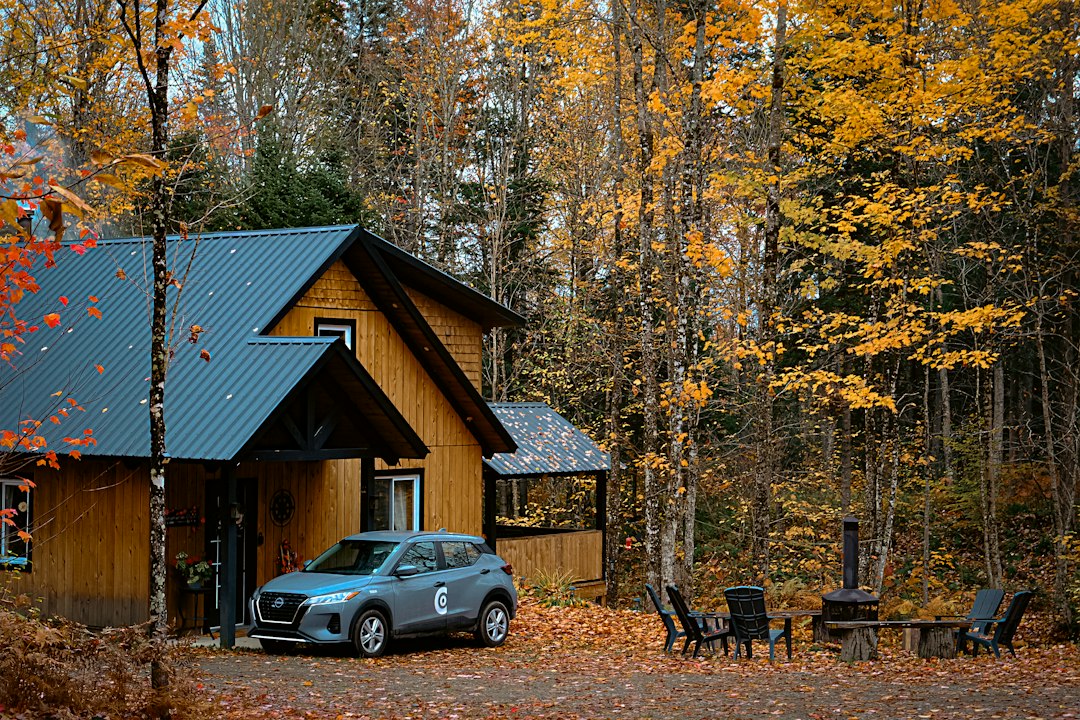
Yes: in Quebec, a standard home insurance policy normally covers fire damage caused by a forest fire, including smoke damage, and most policies also pay extra living expenses if a civil authority orders you out of your home. The catch is in the details: limits on evacuation expenses, sub-limits on outbuildings and trees, waiting periods on new policies and the way a chalet or vacant property is insured. Here is what Laurentides homeowners should check before the next wildfire season.
Quick answer
- Fire, including wildfire, is a basic named peril in virtually every Quebec home policy.
- Smoke and soot damage from a nearby fire is usually covered too.
- Evacuation ordered by authorities typically triggers additional living expenses, often for a limited period (two weeks is common).
- Insurers can stop selling new policies in an area when a fire is approaching, so buy or change coverage well before summer.
- Seasonal chalets and vacant homes may have reduced coverage: read your conditions.
Why wildfire risk matters in the Laurentides
The Laurentides combine dense boreal and mixed forests, thousands of lakeside cottages and many homes reachable by a single road. Quebec’s 2023 forest fire season was the most severe on record, and it reminded owners outside the far north that forest fire is not only a remote-region issue. Most of the region’s private woodland sits close to residences, so a fire that starts in the forest can reach buildings, sheds, docks and vehicles quickly.
The Government of Québec publishes practical advice on protecting your house and property from forest fires. Following it is good prevention and can also help when you discuss your risk with an insurer.
What a standard Quebec home policy covers after a forest fire
Most homeowner forms sold in Quebec, whether named-perils or all-risks (broad form), list fire as a covered peril. In practice this includes:
- The dwelling: repairs or rebuilding up to your building limit, on a replacement cost or actual cash value basis depending on your contract (see our guide to replacement cost vs actual cash value).
- Outbuildings: detached garage, shed, gazebo, usually as a percentage of the dwelling limit (often around 10%).
- Contents: furniture, clothing, electronics, tools, subject to special limits for jewellery, art and some equipment.
- Smoke and soot: cleaning, deodorizing and replacing damaged items, even if flames never touched the house.
- Debris removal: often included within or on top of the building limit.
- Trees, shrubs and lawns: usually covered for fire but with a low per-tree and total limit.
Evacuation and additional living expenses
If a municipality or the provincial authorities order an evacuation, most policies pay additional living expenses (hotel, meals, extra mileage) even when your home is not damaged, because access is prohibited by a civil authority. This coverage is commonly capped in time, for example two consecutive weeks. If the home is actually damaged and uninhabitable, the regular additional living expenses coverage applies and usually lasts longer, until repairs are completed within reasonable limits.
| Situation | Typical coverage | What to check |
|---|---|---|
| Evacuation order, house intact | Civil authority expenses | Time limit (often 2 weeks), receipts required |
| House damaged by fire or smoke | Additional living expenses | Dollar cap or percentage of dwelling limit |
| Chalet rented to guests | Loss of rental income, if endorsed | Endorsement for commercial use |
| Vehicle burned in driveway | Auto policy, comprehensive (Chapter B) | Not covered by home policy |
Keep every receipt. Insurers usually reimburse only the costs above your normal living expenses, so groceries you would have bought anyway may be deducted.
Chalets, seasonal homes and vacant properties
Many Laurentides owners hold a secondary residence on a lake. Fire coverage for a chalet is normally the same peril as for a principal residence, but a few conditions change the picture:
- Vacancy clauses: if a building is unoccupied beyond a set number of consecutive days, some coverages can be reduced or suspended. Our guide on vacant and seasonal home insurance explains these rules.
- Remote access: distance to a fire station and hydrant affects your premium and, sometimes, eligibility.
- Wood heating: insurers will ask about stoves and chimneys; see wood stoves, fireplaces and insurance.
- Short-term rental: if guests stay there, you need the right endorsement or a specific policy, as explained in our Airbnb chalet insurance guide.
The moratorium problem: buy coverage before a fire is near
When a fire threatens an area, insurers commonly stop issuing new policies or increasing limits there until the danger passes. If you are closing on a property in June or July, or you planned to raise your building limit after renovations, do it early. Changing insurers in the middle of a fire alert can leave you unable to buy coverage at all. A broker can tell you whether a binding restriction is in place in your municipality. Our page on brokers, agents and direct insurers explains who can shop several markets for you.
Are you insured for enough?
The real wildfire risk for most owners is not exclusion but underinsurance. After a regional fire, contractors and materials become scarce and rebuilding costs rise. Check that:
- your building limit reflects current reconstruction costs, not the purchase price or municipal assessment;
- you have a guaranteed or extended replacement cost option if available;
- a by-law (building code upgrade) coverage is included, since a rebuild must meet current standards;
- your contents limit matches a realistic inventory.
Use our home insurance coverage calculator to estimate dwelling and contents amounts before you call your insurer.
How to prepare your property and your file
- Make an inventory: walk through each room with your phone camera, including the shed, boat house and garage. Store the video in the cloud.
- Keep documents off-site: policy number, insurer claim line and broker contact saved on your phone.
- Create defensible space: clear dead branches, needles and firewood within a few metres of the house, as recommended by the Government of Québec.
- Check roof and gutters: a clean roof catches fewer embers. For roofing work, the sibling site toiture.thelaurentides.com covers materials and contractors.
- Respect open-fire bans: a fire you start in breach of a ban can create liability toward neighbours and complicate a claim.
Filing a claim after a wildfire
Contact your insurer as soon as it is safe, even if you cannot yet access the property. Note the evacuation dates, keep receipts and take photos when you return before cleaning. Do not throw out damaged items until the adjuster agrees. Our step-by-step guide on how to file a home insurance claim in Quebec walks through the process, and if you disagree with the settlement you can contact the Autorité des marchés financiers, Quebec’s financial regulator, through lautorite.qc.ca.
Frequently asked questions
Does home insurance cover smoke damage if my house did not burn?
In most Quebec policies, yes. Sudden smoke damage from a fire, including a nearby forest fire, is generally covered for cleaning and replacement of affected property, subject to your deductible.
Will my insurer pay for a hotel during an evacuation?
Usually, when the evacuation is ordered by a civil authority. The coverage is often limited in time (two weeks is a common limit), so confirm the period in your policy wording.
Can I buy home insurance while a forest fire is nearby?
Often not. Insurers commonly suspend new policies and coverage increases in a threatened area until the risk is over. Arrange coverage before the fire season.
Are my trees and landscaping covered?
Trees and shrubs are generally covered against fire but with low limits per tree and in total. Large-scale forest loss on your land is usually not insured under a home policy.
Does my home policy cover my car or boat if they burn?
No for the car: it is covered under the comprehensive section of your auto policy. Boats are often covered only up to a small limit under a home policy; a dedicated boat policy is better.
Conclusion
Wildfire is a covered peril in nearly every Quebec home policy, but adequate limits, evacuation coverage and timing make the difference between a smooth claim and an expensive surprise. Review your policy each spring, keep an inventory and arrange any coverage change before summer. For more on living and travelling in the region, visit thelaurentides.com, and if you are comparing quotes this year, start with our guide on how to shop for home insurance in the Laurentides.
This guide is general information updated in 2026. It is not insurance advice; always confirm coverage with your insurer or a certified damage insurance broker.