
At-Fault Accident in Quebec: How Fault Is Set and Premiums Rise
How Quebec insurers determine fault after a collision, what the direct compensation agreement means for your car repairs, and how an at-fault claim affects your premium and record.
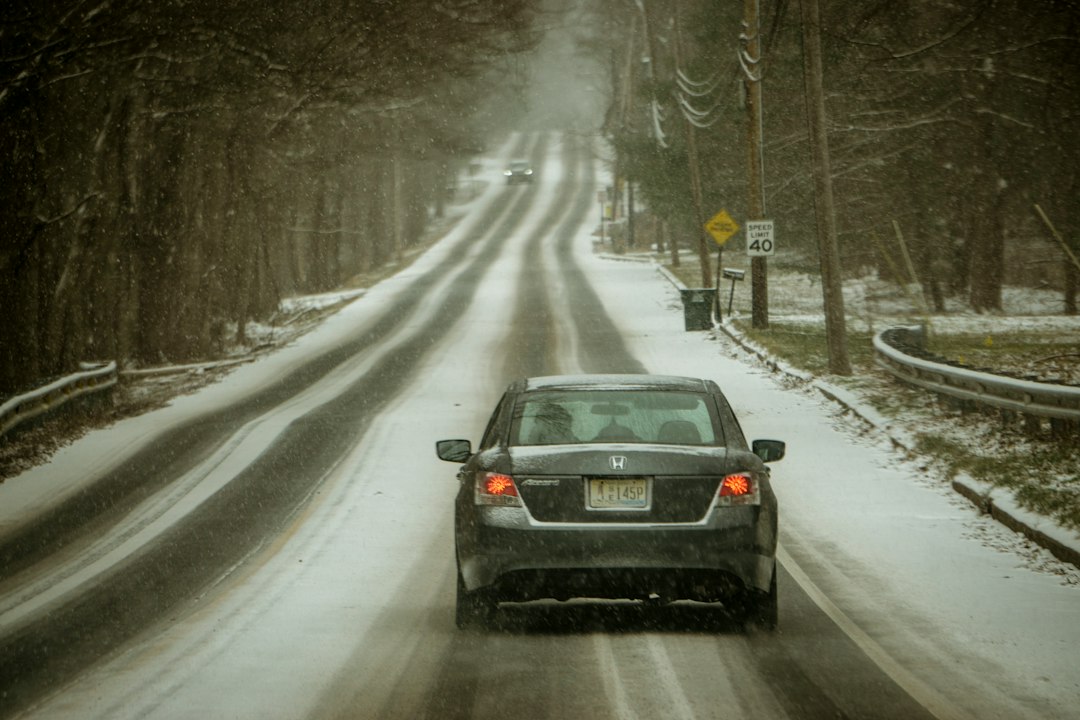
In Quebec, fault in a collision between vehicles is determined by your insurers using a standard fault table that assigns 0%, 50% or 100% responsibility based on the circumstances, not by a court or the police. Under the province’s direct compensation agreement, you deal with your own insurer for damage to your car, whoever is at fault. Your injuries are covered by the SAAQ without regard to fault. What fault changes is who pays for your vehicle, whether you pay a deductible and whether the claim counts against you at renewal.
Quick answer
- Fault percentages are set under an industry fault table: 0%, 50% or 100% in most cases.
- You always claim from your own insurer for your car (direct compensation).
- Not at fault: your repairs are usually paid without a deductible.
- At fault: your car is covered only if you have collision coverage, and your deductible applies.
- An at-fault claim often stays on your insurance record for about six years and can raise your premium.
- Bodily injuries are handled by the SAAQ no-fault plan.
How Quebec splits accident costs
Quebec auto insurance has two parts. The public plan, managed by the SAAQ, compensates bodily injury for Quebec residents regardless of fault. Private insurers cover property damage: your civil liability toward others (Chapter A of your policy, mandatory) and damage to your own vehicle (Chapter B, optional collision and comprehensive). Our article on SAAQ vs private car insurance explains this structure in detail, and the AMF summarizes it on its auto insurance information page.
Direct compensation: you deal with your own insurer
Quebec insurers apply a direct compensation agreement for collisions between vehicles that occur in Quebec when the owners are identified. Instead of chasing the other driver’s insurer, you file with your own company. Your insurer pays the share of the damage for which you are not responsible as if it were a liability claim, then applies your collision coverage, if you have it, to your share of responsibility.
This is why the joint accident report (constat amiable) is so important: insurers rely on it to apply the fault table. Fill it in calmly at the scene, sign only what you agree with and keep your copy.
How the fault table works
The fault table describes typical situations: rear-end collision, lane change, intersection with a stop sign, vehicle backing up, opening a door, and so on. For each, it assigns responsibility to each driver. Examples of how it usually plays out:
| Situation | Typical responsibility | Your car repairs |
|---|---|---|
| You are hit from behind while stopped | 0% for you | Paid, no deductible |
| You rear-end the car in front | 100% for you | Only with collision coverage, deductible applies |
| Both drivers change lanes at the same time | 50% each | Half paid as non-fault, half under collision |
| You back out and hit a moving car | Usually 100% for you | Only with collision coverage |
| Single-vehicle crash (ditch, tree, deer) | Table does not apply | Collision or comprehensive, deductible applies |
Hitting a deer is generally treated under comprehensive (all perils other than collision) in many policies, while sliding into a ditch is a collision. Both are frequent on Laurentides roads; our guide to auto insurance in the Laurentides covers regional risks.
How an at-fault claim affects your premium
- Claims history: insurers commonly look back about six years, and at-fault claims carry the most weight.
- Loss of a claims-free discount: many insurers reward years without claims; one at-fault claim can reset it.
- Accident forgiveness: some insurers offer an endorsement that protects your premium from a first at-fault claim. Read its conditions.
- Non-fault claims: they are recorded but generally have much less impact, if any.
- Multiple claims: two or three at-fault claims in a short period can lead to a non-renewal. See cancellation and non-renewal in Quebec.
Separately, if a traffic offence led to demerit points, the SAAQ’s insurance contribution paid with your driver’s licence can increase depending on your points. This is distinct from your private premium.
Should you pay small damage yourself?
For minor at-fault damage, paying out of pocket can sometimes cost less than the premium increase over the following years. Before deciding:
- get a repair estimate;
- ask your insurer or broker whether reporting the event without a claim affects your file (policies generally require you to report accidents);
- compare the estimate with your deductible and the likely loss of discounts;
- remember that if the other driver claims against you later, you must have reported the accident.
Your policy obliges you to declare any accident within a reasonable time. Failing to do so can jeopardize coverage if a claim surfaces later.
Disputing a fault decision
If you believe the fault table was applied incorrectly, ask your insurer which case it used and provide evidence: photos, dashcam footage, witness contacts, the police report. If you remain unsatisfied, use your insurer’s complaint process; insurers in Quebec must have a complaint policy, and you can then ask the Autorité des marchés financiers to examine your complaint file through lautorite.qc.ca. For bodily injury decisions, the SAAQ has its own review process.
Protecting yourself before the next accident
- keep a blank joint accident report and a pen in the glove box;
- consider a dashcam;
- review your deductible: see legitimate ways to lower car insurance;
- keep your liability limit at $1 million or more rather than the $50,000 legal minimum;
- ask about accident forgiveness at your next renewal.
Frequently asked questions
Do the police decide who is at fault in Quebec?
No. The police report can help, but for property damage between vehicles, insurers determine responsibility using the industry fault table.
Will I pay a deductible if I am not at fault?
Generally no, for the share of damage for which you are not responsible in a collision with an identified vehicle in Quebec.
Does an at-fault accident affect my SAAQ coverage for injuries?
No. The SAAQ compensates bodily injury on a no-fault basis. Some exclusions apply, for example in certain criminal situations.
How long does an at-fault accident stay on my record?
Insurers typically consider about six years of claims history, though each insurer sets its own rating rules.
What if the other driver leaves without exchanging information?
Call the police. Without an identified vehicle, your car is usually covered only under your collision coverage, with a deductible.
Conclusion
In Quebec, the fault table, not an argument at the roadside, decides who pays for vehicle damage. Your own insurer handles your claim, the SAAQ handles injuries, and an at-fault finding mainly affects your deductible and future premiums. Keep good evidence, report every accident and review your coverage options before you need them. If you are renting a car for a Laurentides trip, also read our rental car insurance guide.
General information updated in 2026, not insurance or legal advice. Confirm details with your insurer or a certified damage insurance broker.