
Septic System and Well Insurance in Quebec: What’s Covered
Most rural Laurentides homes rely on a septic tank and a private well. Here is what Quebec home insurance usually covers, what it excludes and which endorsements protect these costly systems.
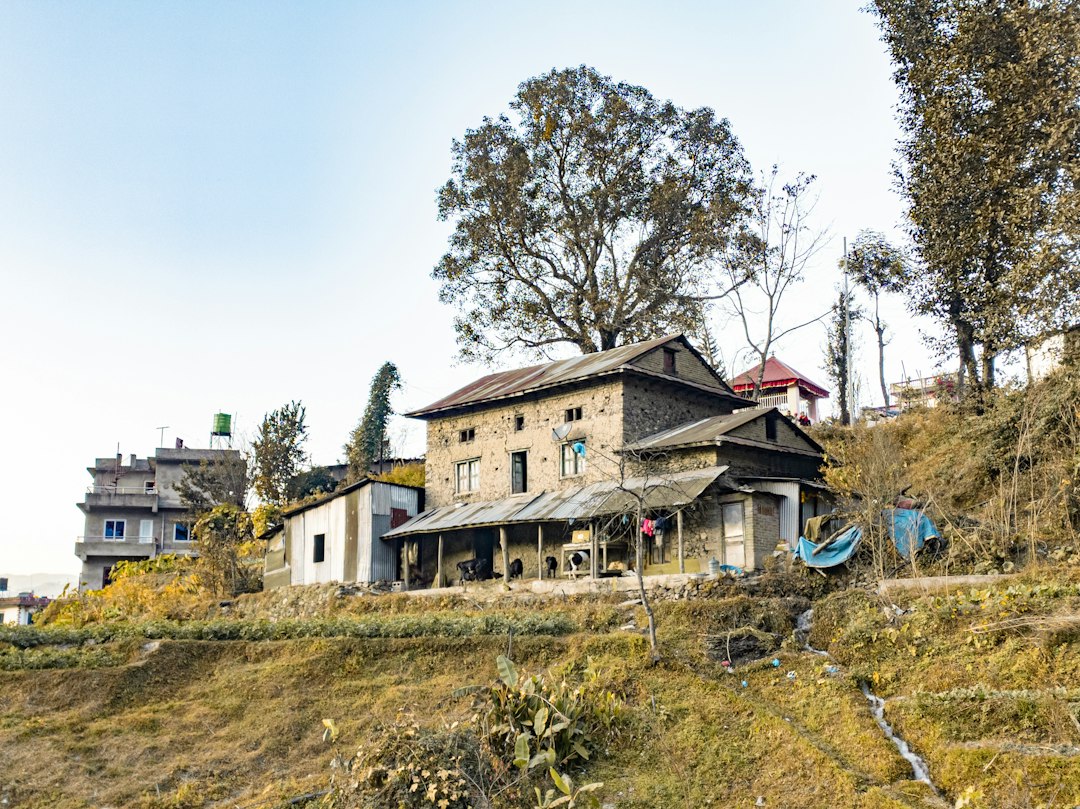
In Quebec, home insurance usually covers a septic system or private well only when it is damaged suddenly by a covered peril, such as fire or a vehicle driving over the tank. Wear and tear, clogging, tree roots, freezing of the leaching field and pump breakdown are typically excluded unless you add a specific endorsement. In the Laurentides, where most homes and chalets outside village centres are not connected to municipal sewers or water mains, this gap can mean a five-figure bill.
Quick answer
- Basic policies cover sudden, accidental damage to septic and well systems from named perils.
- Gradual failure, roots, freezing and lack of maintenance are generally excluded.
- Many insurers sell a service line, septic or equipment breakdown endorsement that fills part of the gap.
- Quebec regulation Q-2, r.22 requires regular septic tank emptying; keep your proof of emptying.
- Sewage backing up into the house may require a backup endorsement, depending on wording.
Why rural Laurentides owners should care
Outside urban sectors of municipalities like Saint-Jérôme or Sainte-Agathe-des-Monts, homes and cottages commonly depend on an isolated wastewater system (septic tank plus leaching field or a treatment unit) and a drilled or surface well. Replacing a failed leaching field or installing a new treatment system often costs tens of thousands of dollars, and drilling a new well is also a major expense. These systems are buried, so problems are often discovered only when sewage surfaces or water stops flowing.
What your rules say: Q-2, r.22 in plain language
Isolated residences in Quebec are governed by the Regulation respecting waste water disposal systems for isolated dwellings (Q-2, r.22), administered with the Ministère de l’Environnement and enforced by municipalities. Among its key requirements:
- a septic tank serving a residence used year-round must be emptied at least once every 2 years;
- a tank serving a seasonal residence must be emptied at least once every 4 years;
- new or replacement systems require a municipal permit and a design by a qualified professional.
Many Laurentides municipalities and MRCs run mandatory emptying programs and send a schedule to owners. More information is available from the Ministère de l’Environnement. From an insurance standpoint, these rules matter because an insurer can deny or reduce a claim if the damage results from neglected maintenance.
What is typically covered and excluded
| Event | Standard policy | With endorsement |
|---|---|---|
| Truck or heavy equipment crushes the tank | Often covered (impact by vehicle) | Covered |
| Leaching field clogged after years of use | Excluded (wear and tear) | Usually still excluded |
| Tree roots break the outlet pipe | Excluded | Sometimes covered (service line) |
| Well pump motor burns out | Excluded (mechanical breakdown) | Covered by equipment breakdown |
| Lightning damages the well pump | Often covered (lightning) | Covered |
| Sewage backs up into the basement | Usually excluded | Covered by backup endorsement, if wording includes septic |
| Well water contaminated | Excluded | Generally excluded |
Endorsements worth asking about
- Service line coverage: covers repair of buried lines (water supply, sewer or septic pipes) on your property after accidental damage such as root intrusion, collapse or frost, up to a set limit.
- Equipment breakdown: covers sudden mechanical or electrical failure of home systems, often including well pumps, pressure tanks and treatment units.
- Sewer or water backup: pays for damage inside the house when wastewater backs up. Confirm that the wording applies to private septic systems and not only municipal sewers. Our article on sewer backup coverage details how insurers define it.
- Ground water and above-ground water: separate from septic issues, but useful in flood-prone lots. See flood insurance in Quebec.
Limits on these endorsements are often modest (for example $10,000 to $25,000) and carry their own deductible. Compare them with the realistic replacement cost of your system.
Buying a property with a septic system
Before you remove conditions on an offer, ask the seller for the system’s permit, installation plans and emptying receipts. A specialized septic inspection is worth the cost. Insurers may ask about the age and type of system and the water source. If you are in the purchasing stage, our buying checklist and the guide on insuring an older home list other items insurers will question.
Maintenance habits that protect your claim
- Empty the tank on the schedule required for your occupancy and keep the attestation.
- Never drive or park vehicles over the tank or leaching field.
- Keep trees and large shrubs away from the field.
- Avoid flushing grease, wipes and chemicals.
- In seasonal chalets, follow a winterization routine and protect well lines from freezing.
- Test your well water regularly (bacteria and nitrates at minimum).
Freezing is also a recurring Laurentides issue inside the home; our guide to frozen pipes and home insurance explains the heating and vacancy conditions insurers impose.
Chalets and seasonal use
A seasonal chalet with an isolated system has two risks: longer gaps between visits, which delay detection of a problem, and freezing during winter. Insurers often require that the water supply be shut off and lines drained when the property is left unheated, or that someone inspect it regularly. Read insurance for a vacant or seasonal home, and if you rent the chalet to guests, more people means more load on the septic system: tell your insurer about rental use. For rental listings and booking advice, see chalets.thelaurentides.com.
Frequently asked questions
Does home insurance pay to replace an old septic system?
No. Replacement due to age, wear or a non-compliant design is a maintenance and upgrade cost, not an insured loss.
Is a well pump covered by home insurance?
Only if it is damaged by a covered peril such as lightning or fire. Normal breakdown requires an equipment breakdown endorsement.
Can my insurer refuse a claim if I did not empty my tank?
If the damage results from lack of maintenance, the insurer may deny it under the wear-and-tear or maintenance exclusions. Keeping emptying receipts helps show the system was maintained.
Will a septic backup into my basement be covered?
Usually only with a backup endorsement whose wording includes private septic systems. Check with your insurer.
Does the municipality share responsibility for my septic system?
The owner is responsible for the installation and its maintenance. The municipality issues permits and enforces the regulation, and may organize emptying.
Conclusion
Septic systems and private wells are essential in the rural Laurentides, yet a standard home policy protects them only against sudden named perils. Ask your insurer about service line and equipment breakdown endorsements, keep your maintenance records and budget for eventual replacement. If you are reviewing your policy now, start with our guide on how to shop for home insurance in the Laurentides.
General information updated in 2026, not insurance or legal advice. Confirm rules with your municipality and coverage with your insurer or a certified damage insurance broker.